

On This Day in Lifestyles: March 15, 1965
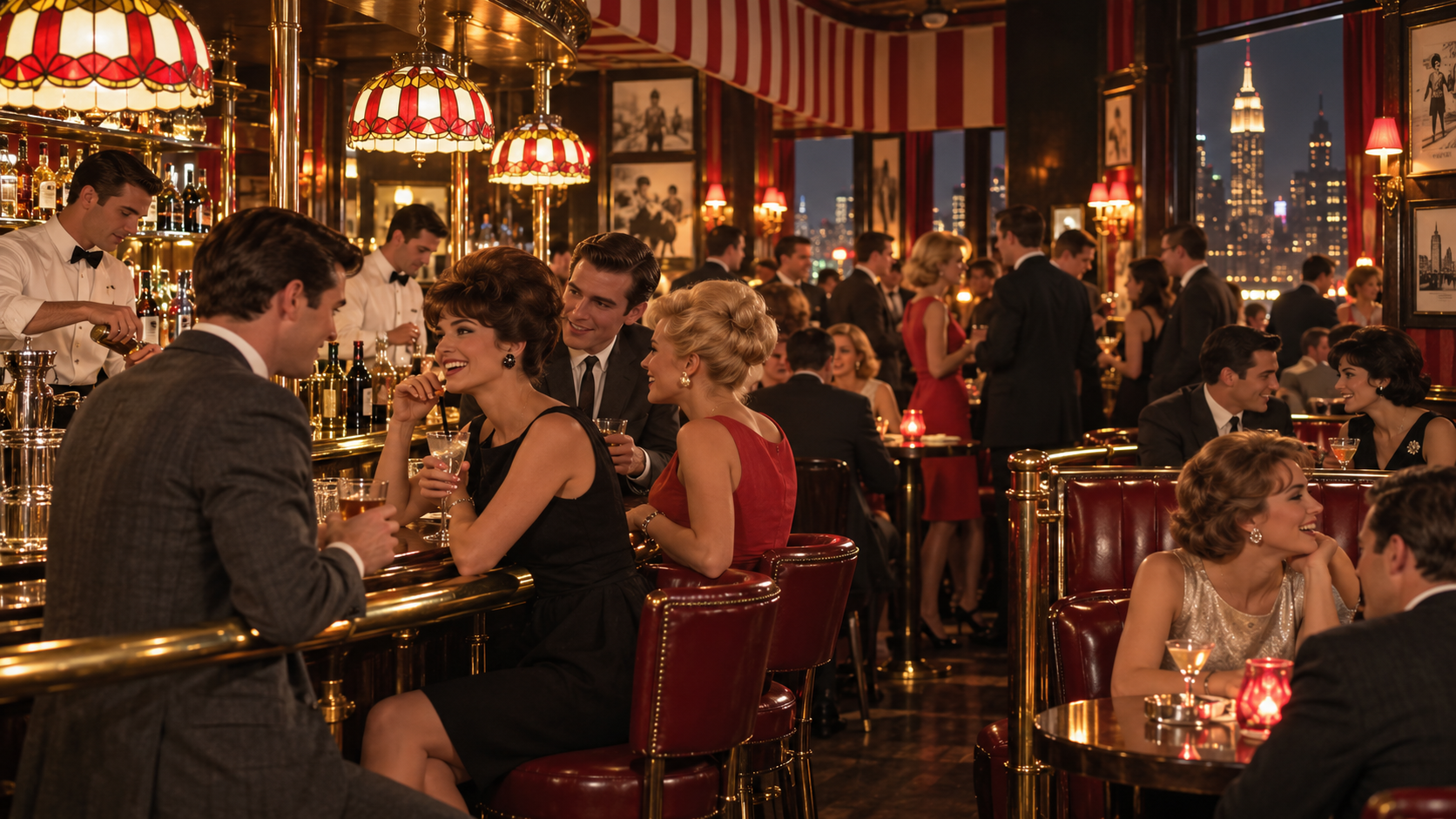
On March 15, 1965, Alan Stillman opened the first TGI Fridays on Manhattan’s Upper East Side. The bar and restaurant used bright, theatrical decor and a welcoming social atmosphere to attract young professionals, including women who had few comfortable public places to meet friends and potential dates after work. The date matters in lifestyle history because a restaurant became a deliberately designed stage for modern urban social life. Rather than remaining an isolated announcement or demonstration, the moment gave people a new way to think about meeting after work, dining casually, dating, celebrating, and spending leisure time in public. Its importance became visible through familiar places, objects, and routines, where a broad historical change could be felt at human scale.
Postwar office culture, changing gender roles, urban apartment living, and the rise of young single workers created demand for new social spaces. The original Fridays blended cocktails, casual food, music, and a highly designed interior that felt less formal than established restaurants or hotel bars. The setting shaped how contemporaries understood the event. young professionals, women entering office work, bartenders, servers, restaurateurs, neighbors, and later franchise customers encountered it through street visibility, interior design, word of mouth, nightlife columns, standardized menus, and chain expansion. Those details show that social change usually travels through ordinary systems such as workplaces, schools, shops, homes, streets, or public institutions. What seems inevitable in hindsight depended on people testing, organizing, purchasing, teaching, maintaining, or protecting the idea in real time.
Its success encouraged a broader industry of singles bars and later casual-dining chains built around recognizable decor, standardized menus, and sociable service. Going out after work became a routine way to build friendship, network, celebrate, and seek romance outside the home. In daily life, people made the after-work drink and casual meal into a recurring social ritual rather than a special occasion. The episode also exposed questions about inclusion and safety, alcohol culture, gender expectations, commercialization, labor, and the sameness of chain dining. Access and influence were never perfectly even, and later generations adapted the original development to different communities, values, and technologies. Still, the event changed expectations by making a more approachable public setting for social connection easier to imagine, recognize, or demand.
The brand expanded far beyond its first neighborhood, while the social world it helped popularize evolved through changing nightlife, dating customs, restaurant economics, and digital matching. The original opening is best understood as part of a wider shift in who could occupy public leisure space. Today, echoes remain in happy hours, casual restaurants, dating culture, themed interiors, and debates about the future of gathering places. Looking back helps separate the documented milestone from the myths that often accumulate around famous anniversaries. It also reminds us that lifestyle history is built from choices about design, health, work, leisure, communication, memory, and public space. On this day, the 1965 opening showed how a room’s design and rules could change who felt welcome to socialize there.
Alan Stillman opened the first TGI Fridays on Manhattan’s Upper East Side. The bar and restaurant used bright, theatrical decor and a welcoming social atmosphere to attract young professionals, including women who had few comfortable public places to meet friends and potential dates after work.
Postwar office culture, changing gender roles, urban apartment living, and the rise of young single workers created demand for new social spaces. The original Fridays blended cocktails, casual food, music, and a highly designed interior that felt less formal than established restaurants or hotel bars.
Its success encouraged a broader industry of singles bars and later casual-dining chains built around recognizable decor, standardized menus, and sociable service. Going out after work became a routine way to build friendship, network, celebrate, and seek romance outside the home.
The larger theme was that a restaurant became a deliberately designed stage for modern urban social life.
The brand expanded far beyond its first neighborhood, while the social world it helped popularize evolved through changing nightlife, dating customs, restaurant economics, and digital matching. The original opening is best understood as part of a wider shift in who could occupy public leisure space.
Today the story remains visible in happy hours, casual restaurants, dating culture, themed interiors, and debates about the future of gathering places.
Explore more of “This Day in Lifestyles”
Discover more moments in everyday life, design, education, travel, food, fashion, and culture. Each story connects a calendar date with an event that changed how people lived.