

On This Day in Lifestyles: November 12, 1954
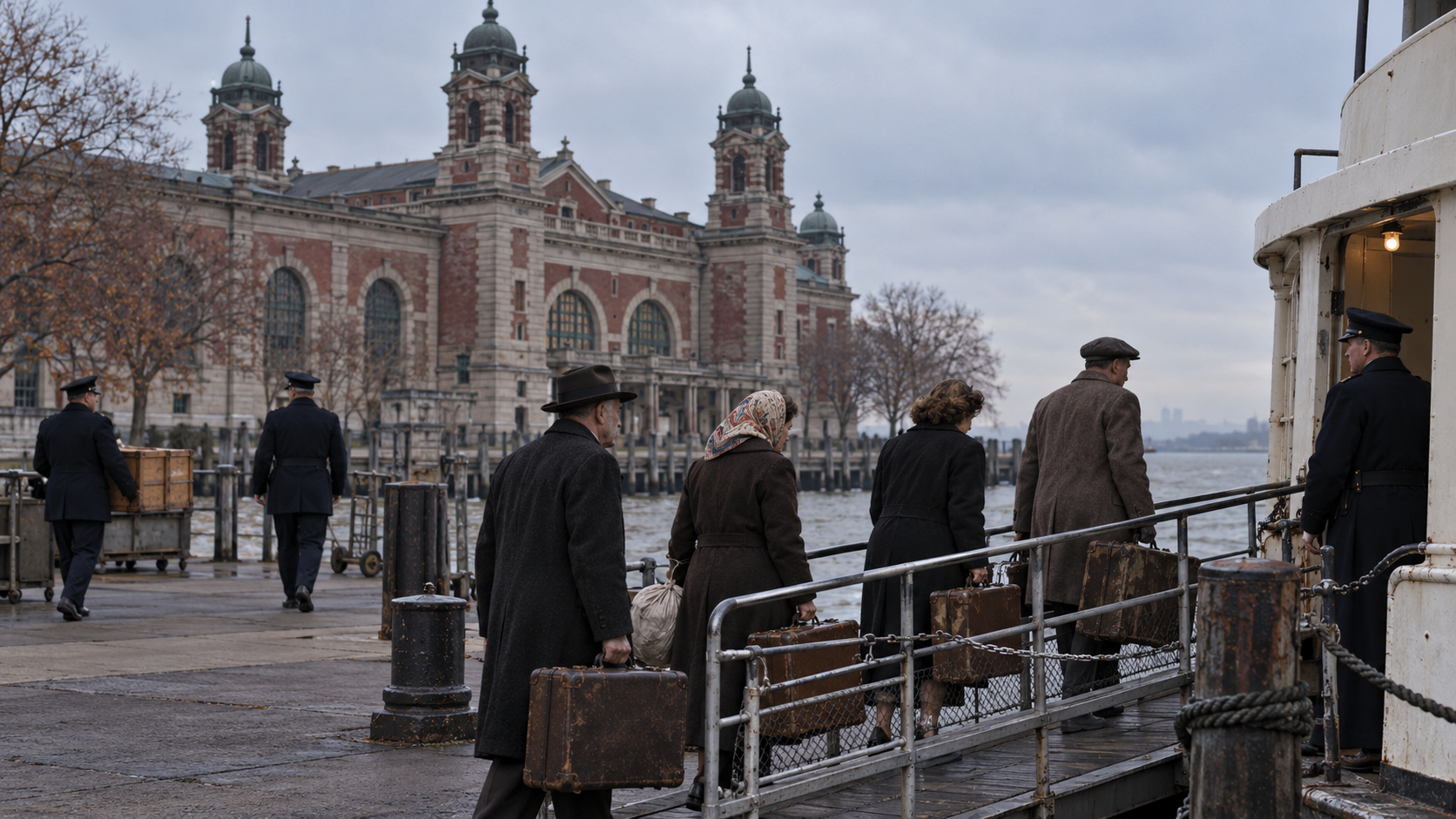
On November 12, 1954, the federal government closed the Ellis Island immigration station after removing its final detainees. The date matters in lifestyle history because the closing of an inspection station shifted a working federal site into a contested landmark of family memory. It was not merely a headline for institutions or specialists; it touched the settings, objects, expectations, and shared rituals through which people organized ordinary days. The final detainees boarded a ferry from Ellis Island on a cold 1954 morning as officers secured quiet corridors and luggage waited on the dock Seen at human scale, the episode shows how a public milestone becomes meaningful through repeated personal choices, conversations, and memories.
Ellis Island had processed millions of immigrants beginning in 1892, though laws and administrative practices gradually shifted most screening overseas and reduced the island’s role. In its later years, facilities were used mainly for detention and deportation cases. The last detained individuals departed on November 12, ending daily operations at the station. The setting is essential to understanding why the event attracted attention. New ideas rarely arrive in isolation: they meet existing technology, commerce, custom, law, and desire. Contemporary newspapers, public spaces, shops, schools, workplaces, or homes carried the story outward, giving people practical ways to interpret it. Some welcomed the change, others doubted it, and many first encountered it indirectly. That mixture of novelty and familiarity helped the moment travel from a single date into a broader change in behavior.
Closure marked the end of a place that had shaped family histories, citizenship stories, and public ideas about arrival in America. For some, the island represented hope and reunion; for others it meant interrogation, separation, exclusion, or confinement. Those different experiences complicate the familiar image of a simple gateway. In daily life, the consequences appeared through altered routines, new expectations, and different ways of spending time or money. After years of neglect, restoration turned the main building into a museum within the Statue of Liberty National Monument. Records, oral histories, artifacts, and preserved rooms now help descendants and visitors connect personal memory to changing immigration law. The benefits were never the whole story; major changes also exposed questions about access, responsibility, fairness, cost, and who had power to define progress. Those tensions deserve a place beside the celebration because they show how culture actually develops. The event mattered not because everyone experienced it in the same way, but because it opened a durable argument about how people wanted to live.
Today, the legacy remains visible: genealogy, museum visits, migration stories, and immigration debates keep the island present in American family and civic life. Familiarity can make that inheritance easy to overlook, yet the practices surrounding it were built through years of experimentation, adaptation, criticism, and use. Looking back does more than celebrate an anniversary. It reveals the chain between public decisions and private habits, between ambitious ideas and the small acts that make them ordinary. On this day, one historical moment became part of the texture of modern life. Remembering the full setting lets the milestone feel less like a frozen fact and more like a living part of experience.
On November 12, 1954, the federal government closed the Ellis Island immigration station after removing its final detainees.
Ellis Island had processed millions of immigrants beginning in 1892, though laws and administrative practices gradually shifted most screening overseas and reduced the island's role. In its later years, facilities were used mainly for detention and deportation cases. The last detained individuals departed on November 12, ending daily operations at the station.
Closure marked the end of a place that had shaped family histories, citizenship stories, and public ideas about arrival in America. For some, the island represented hope and reunion; for others it meant interrogation, separation, exclusion, or confinement. Those different experiences complicate the familiar image of a simple gateway.
The event matters in lifestyle history because the closing of an inspection station shifted a working federal site into a contested landmark of family memory.
After years of neglect, restoration turned the main building into a museum within the Statue of Liberty National Monument. Records, oral histories, artifacts, and preserved rooms now help descendants and visitors connect personal memory to changing immigration law.
The legacy remains visible today: genealogy, museum visits, migration stories, and immigration debates keep the island present in American family and civic life.
Explore more of “This Day in Lifestyles”
Discover more moments in everyday life, design, education, travel, food, fashion, and culture. Each story connects a calendar date with an event that changed how people lived.