

On This Day in Lifestyles: December 12, 1913
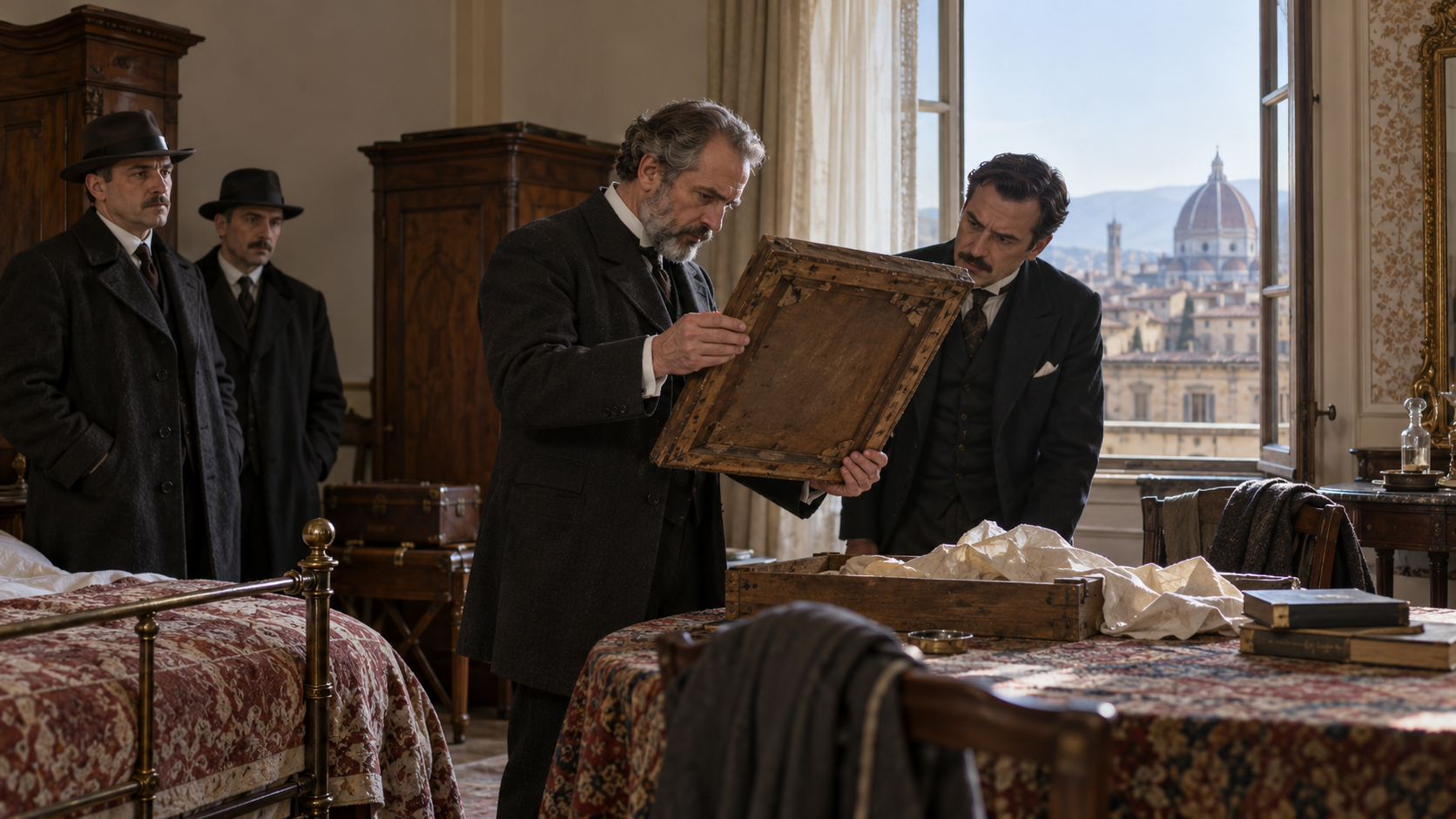
On December 12, 1913, the stolen Mona Lisa was recovered in Florence after an art dealer and museum director alerted authorities. The date matters in lifestyle history because a quiet hotel-room examination transformed a missing museum object into a worldwide household image. It was not merely a headline for institutions or specialists; it touched the settings, objects, expectations, and shared rituals through which people organized ordinary days. In a Florence hotel room, an art dealer and museum director carefully inspected a small Renaissance portrait while police waited nearby Seen at human scale, the episode shows how a public milestone becomes meaningful through repeated personal choices, conversations, and memories.
Vincenzo Peruggia, a former Louvre worker, had taken the painting in 1911 and kept it hidden in Paris. He contacted Florentine dealer Alfredo Geri under an assumed name, claiming he wanted the work returned to Italy. Geri and Uffizi director Giovanni Poggi examined the painting, recognized its Louvre marks, and arranged for police intervention. The setting is essential to understanding why the event attracted attention. New ideas rarely arrive in isolation: they meet existing technology, commerce, custom, law, and desire. Contemporary newspapers, public spaces, shops, schools, workplaces, or homes carried the story outward, giving people practical ways to interpret it. Some welcomed the change, others doubted it, and many first encountered it indirectly. That mixture of novelty and familiarity helped the moment travel from a single date into a broader change in behavior.
The recovery ended an international mystery that had filled newspapers and drawn enormous crowds to the empty space in the Louvre. Brief exhibitions in Florence, Rome, and Milan preceded the painting’s return to France. The episode greatly increased public recognition of a work already admired by artists and scholars. In daily life, the consequences appeared through altered routines, new expectations, and different ways of spending time or money. The Mona Lisa became an unmatched symbol of museum celebrity, protected by elaborate security and viewed by millions. Its theft continues to shape discussions of provenance, nationalism, reproduction, crowd management, and how publicity can change the cultural status of an artwork. The benefits were never the whole story; major changes also exposed questions about access, responsibility, fairness, cost, and who had power to define progress. Those tensions deserve a place beside the celebration because they show how culture actually develops. The event mattered not because everyone experienced it in the same way, but because it opened a durable argument about how people wanted to live.
Today, the legacy remains visible: museum visitors, reproductions, tourism, conservation, security, and online imagery keep famous artworks embedded in daily visual culture. Familiarity can make that inheritance easy to overlook, yet the practices surrounding it were built through years of experimentation, adaptation, criticism, and use. Looking back does more than celebrate an anniversary. It reveals the chain between public decisions and private habits, between ambitious ideas and the small acts that make them ordinary. On this day, one historical moment became part of the texture of modern life. Remembering the full setting lets the milestone feel less like a frozen fact and more like a living part of experience.
On December 12, 1913, the stolen Mona Lisa was recovered in Florence after an art dealer and museum director alerted authorities.
Vincenzo Peruggia, a former Louvre worker, had taken the painting in 1911 and kept it hidden in Paris. He contacted Florentine dealer Alfredo Geri under an assumed name, claiming he wanted the work returned to Italy. Geri and Uffizi director Giovanni Poggi examined the painting, recognized its Louvre marks, and arranged for police intervention.
The recovery ended an international mystery that had filled newspapers and drawn enormous crowds to the empty space in the Louvre. Brief exhibitions in Florence, Rome, and Milan preceded the painting's return to France. The episode greatly increased public recognition of a work already admired by artists and scholars.
The event matters in lifestyle history because a quiet hotel-room examination transformed a missing museum object into a worldwide household image.
The Mona Lisa became an unmatched symbol of museum celebrity, protected by elaborate security and viewed by millions. Its theft continues to shape discussions of provenance, nationalism, reproduction, crowd management, and how publicity can change the cultural status of an artwork.
The legacy remains visible today: museum visitors, reproductions, tourism, conservation, security, and online imagery keep famous artworks embedded in daily visual culture.
Explore more of “This Day in Lifestyles”
Discover more moments in everyday life, design, education, travel, food, fashion, and culture. Each story connects a calendar date with an event that changed how people lived.