

On This Day in News: January 23, 1968
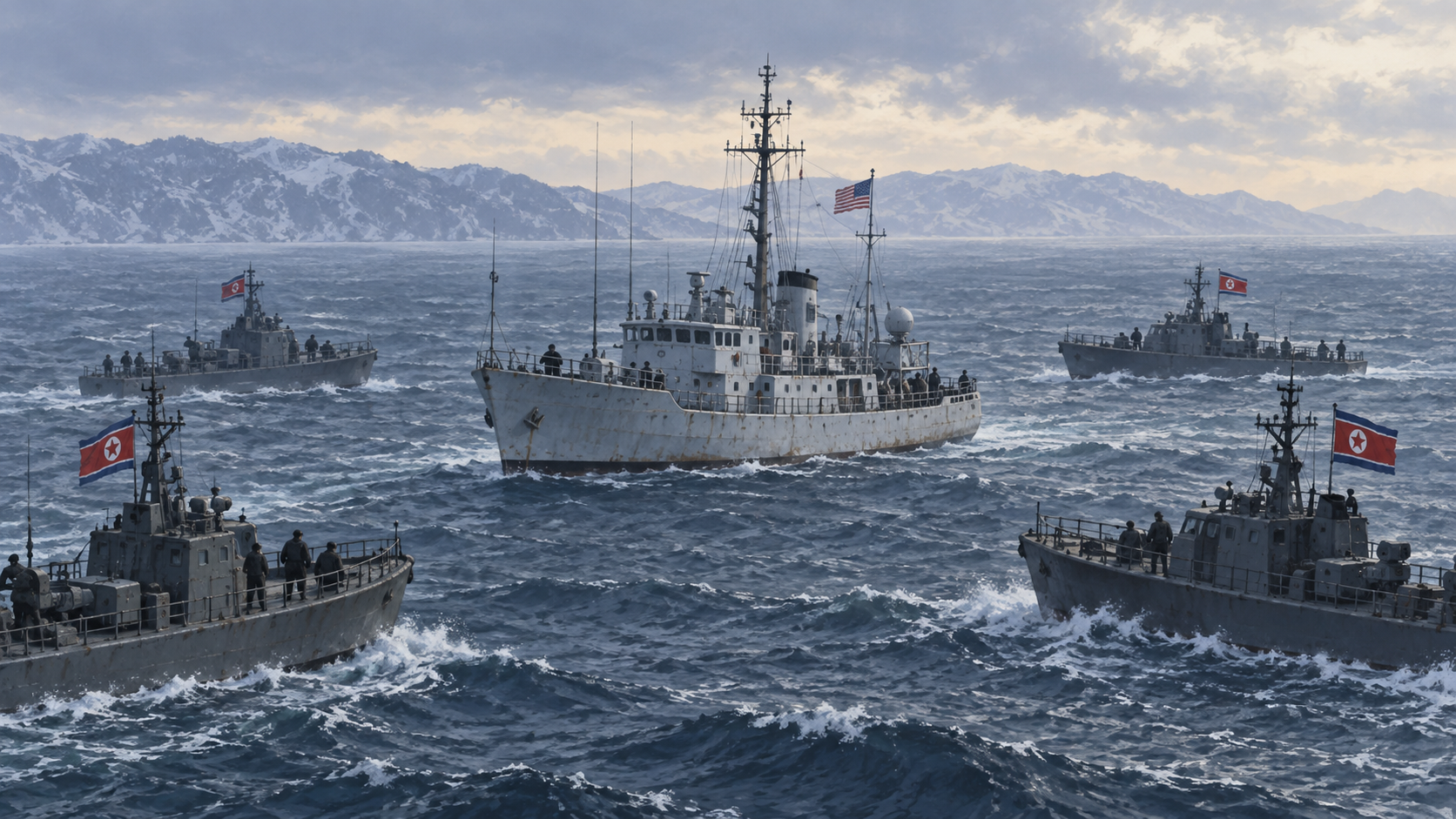
On January 23, 1968, the USS Pueblo, a United States Navy intelligence vessel, was captured by North Korean forces while conducting a routine intelligence-gathering mission off the coast of North Korea. This dramatic event would lead to one of the most tense confrontations between the United States and North Korea during the Cold War.
The Pueblo was operating in international waters when it was attacked by North Korean patrol boats. Despite efforts to escape, the vessel was boarded and taken to the port of Wonsan. The 83 crew members aboard the Pueblo were detained, and the United States government immediately denounced the act as an illegal seizure. North Korea accused the crew of espionage, but the U.S. maintained that the Pueblo was in international waters conducting routine surveillance as part of its intelligence operations. The event heightened the already strained relations between the two nations, leading to an intense diplomatic standoff.
Over the course of the following months, the U.S. government worked tirelessly to secure the release of the crew members and the ship. The tension was compounded by the fact that the United States was still reeling from the ongoing Vietnam War, and the Pueblo incident became a symbol of the broader geopolitical struggle. After months of negotiations, the crew was eventually released on December 23, 1968, in exchange for a formal U.S. apology and a promise never to engage in espionage operations off the coast of North Korea again. However, the Pueblo remained in North Korean hands, and to this day, the ship is considered a symbol of the tensions that have shaped U.S.-North Korean relations over the decades.
The capture of the USS Pueblo not only marked a significant Cold War crisis but also underscored the volatile nature of the relationship between the U.S. and North Korea, which continues to affect global politics today. The incident remains a key moment in military and diplomatic history, highlighting the high stakes of intelligence operations and international diplomacy.
On January 23, 1968, the USS Pueblo, a U.S. Navy intelligence vessel, was captured by North Korean forces while conducting routine surveillance off the coast of North Korea. The ship, which was operating in international waters, was seized without warning, and its 83 crew members were taken into custody. North Korea accused the crew of espionage, while the U.S. government maintained that the vessel was within its rights to conduct intelligence operations in international waters.
This incident would trigger a diplomatic crisis, further escalating tensions between the United States and North Korea, already strained during the Cold War. The ship's capture marked a significant moment in military and diplomatic history, and the confrontation would remain unresolved for months.
Following the Pueblo's capture, the United States initiated intense diplomatic negotiations to secure the release of the crew and the vessel. However, despite strong political and military pressure, the U.S. had to wait almost an entire year for the crew's release, which came on December 23, 1968. The U.S. government was forced to issue a formal apology to North Korea, though the apology was made with reservations, and the Pueblo remained in North Korean hands.
The incident intensified the rivalry between the U.S. and North Korea, drawing attention to the risks of intelligence operations in volatile international waters and the potential for military escalation. It also raised questions about the limits of U.S. power in the region and how far the U.S. government was willing to go to recover its personnel without triggering a larger conflict.
In the long term, the USS Pueblo incident became a symbol of the ongoing tensions between the U.S. and North Korea, highlighting the precarious balance of power and diplomacy in East Asia. The event underscored the difficulty of resolving international disputes in an era marked by Cold War hostilities, where military confrontations often had to be mediated through complex diplomatic channels.
The legacy of the Pueblo incident continues to influence U.S.-North Korean relations to this day. The ship itself remains in North Korea as a symbol of national pride and defiance, while the crew's ordeal serves as a reminder of the complexities of international intelligence operations and the ever-present risks of conflict in the region. The event also contributed to shaping U.S. foreign policy and military strategy during the Cold War and beyond.
Explore more of "On This Day ..."
Discover more events from the same date across news, politics, technology, sports, and other fields. Each link highlights significant moments that shaped history on different fronts.