

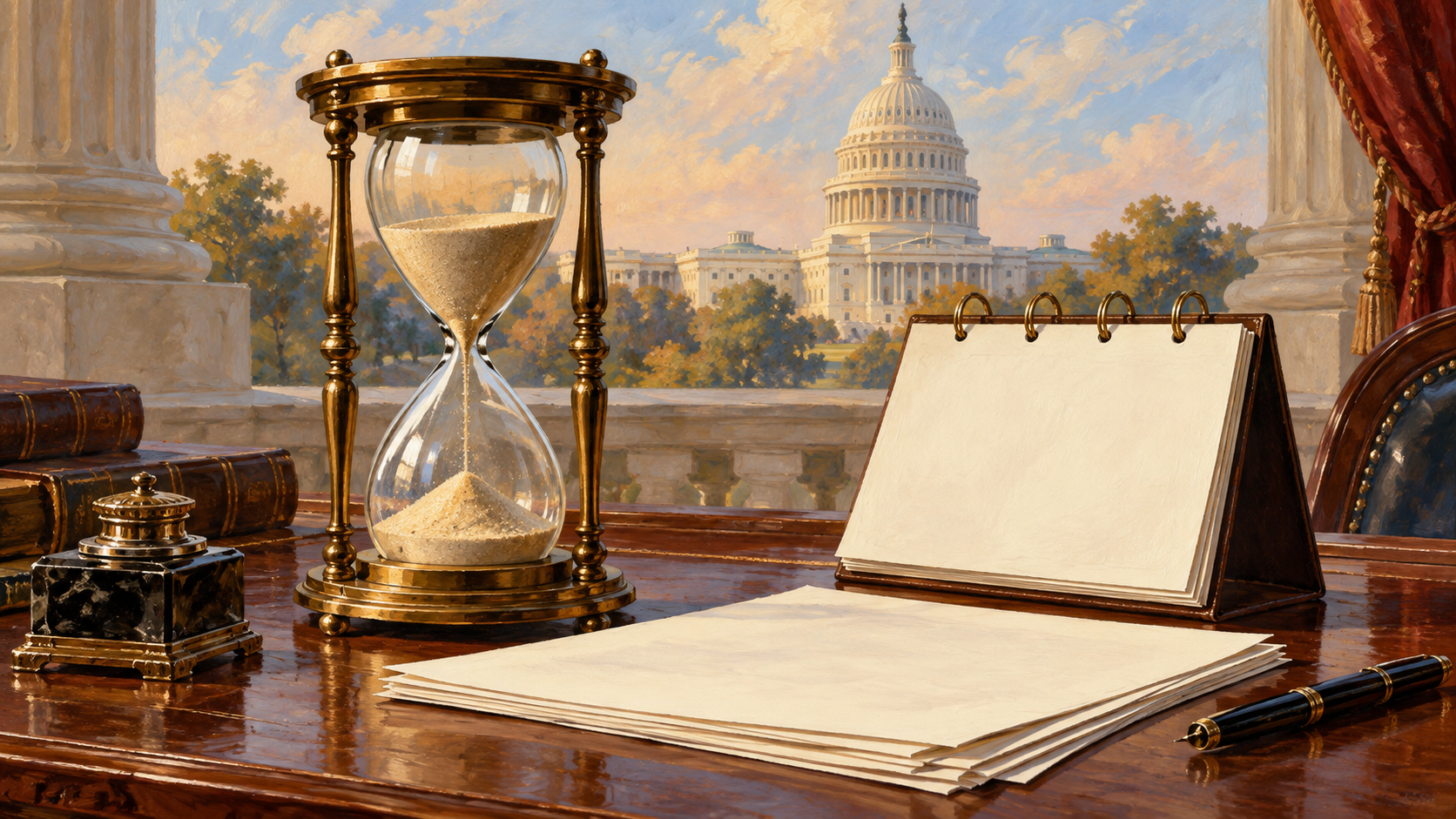
On This Day in Politics: January 23, 1933
On January 23, 1933, the United States ratified the 20th Amendment to the Constitution, a reform that reshaped the timing and mechanics of federal governance. Known as the “Lame Duck Amendment,” it addressed longstanding concerns about the lengthy gap between election and inauguration. At the time, newly elected presidents and members of Congress waited more than four months before taking office, an arrangement inherited from the 18th century when slow communication and travel made transitions inherently difficult. By the early 20th century, however, this delay was increasingly viewed as inefficient and potentially harmful, particularly during national emergencies. The amendment emerged from growing frustration with outgoing “lame duck” lawmakers who could still legislate after losing reelection, sometimes acting contrary to the public will.
The context surrounding the amendment’s ratification underscored its urgency. The nation was deep in the Great Depression, and the transition from President Herbert Hoover to President-elect Franklin D. Roosevelt was marked by severe economic turmoil. As banks failed and unemployment soared, the long wait between the November 1932 election and the scheduled March 1933 inauguration left the incoming administration unable to act. Public pressure mounted for a more responsive and timely transfer of power. The 20th Amendment provided the solution by moving the presidential inauguration date to January 20 and the start of congressional terms to January 3, ensuring that newly elected leaders could take office more quickly and begin governing with greater immediacy.
In addition to altering the calendar, the amendment also clarified succession procedures. It established protocols for situations in which a president-elect died before taking office or failed to qualify, ensuring continuity of government. These provisions strengthened the constitutional framework by closing gaps that had previously been left ambiguous. The amendment’s adoption was swift and bipartisan, reflecting broad agreement that the United States needed a more efficient transition process. By setting firm, earlier dates for federal terms, it helped align democratic outcomes with the practical demands of governance.
The ratification of the 20th Amendment on January 23, 1933, marked a significant milestone in American political development. It modernized the structure of federal leadership, reduced the risks associated with prolonged transitions, and increased the accountability of elected officials. The amendment’s impact continues to shape contemporary political cycles, anchoring the rhythms of presidential inaugurations and congressional sessions. Though often overshadowed by more dramatic constitutional changes, its reforms fundamentally improved the responsiveness of American democracy. The 20th Amendment stands as a reminder that structural adjustments—though procedural in nature—can have profound effects on national stability and the functioning of government.
On January 23, 1933, the United States ratified the 20th Amendment to the Constitution, a measure designed to modernize the timing of federal terms of office. For much of the nation’s history, newly elected presidents and members of Congress waited from early November until March 4 before taking office, a schedule rooted in the slower travel and communication of the 18th and 19th centuries.
By the early 20th century, this long delay had become a growing concern. Outgoing “lame duck” officials, no longer accountable to voters, still wielded full legislative and executive authority, and incoming leaders were unable to act during periods of crisis. Reformers argued that the constitutional calendar no longer fit a modern, industrial nation that needed faster transitions and more responsive governance.
The 20th Amendment addressed these concerns by moving the start of presidential terms from March 4 to January 20 and the start of congressional terms to January 3. This change shortened the lame-duck period after elections, allowing newly chosen officials to assume office sooner and begin work on pressing legislative and policy issues with a clearer mandate from voters.
The amendment also clarified what would happen if a president-elect died before taking office or failed to qualify. In such scenarios, the vice president-elect would become president, and Congress was authorized to establish further succession rules. These provisions strengthened continuity of government and reduced uncertainty during the critical period between election and inauguration.
Over time, the 20th Amendment proved especially important during moments of national stress, ensuring that new administrations and Congresses could take charge more quickly after elections. Its reforms were particularly relevant in the context of the Great Depression, when the country faced urgent economic challenges while waiting for newly elected leaders to assume office.
Though less publicly discussed than some other constitutional amendments, the changes ratified on January 23, 1933, had a lasting effect on American political life. They helped align democratic outcomes with the practical needs of governing, reduced the influence of lame-duck sessions, and provided clearer rules for succession. The amendment remains a key example of how procedural adjustments to the Constitution can significantly improve the efficiency and stability of the federal system.
Explore more of "On This Day ..."
Discover more events from the same date across news, politics, technology, sports, and other fields. Each link highlights significant moments that shaped history on different fronts.