

On This Day in Politics: February 2, 1990
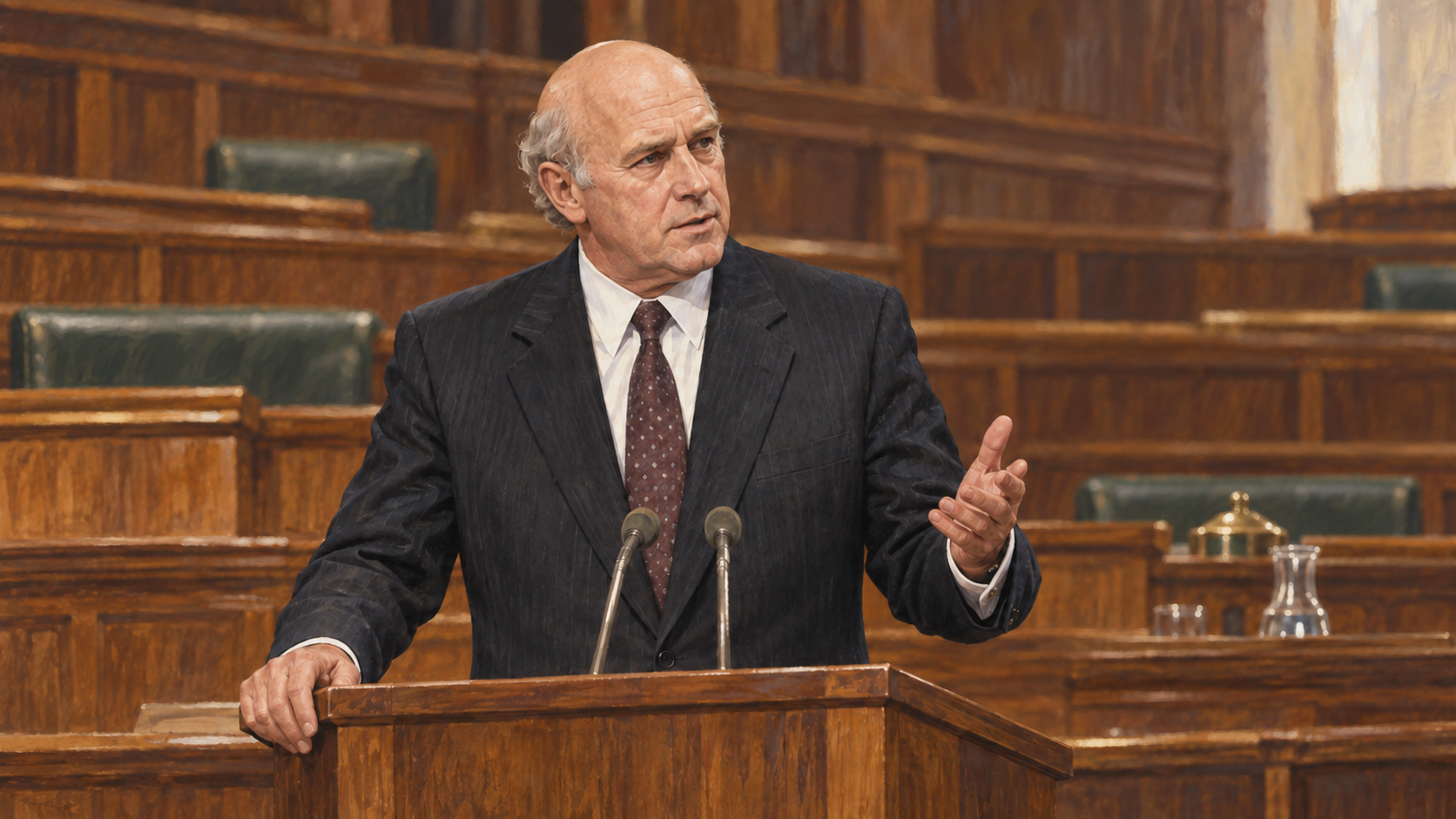
On February 2, 1990, South African President F. W. de Klerk told Parliament in Cape Town that the government would lift its bans on the African National Congress, the Pan Africanist Congress, the South African Communist Party, and other organizations. He also announced a decision to release Nelson Mandela unconditionally, although no release date was given in that speech. The announcement removed a major obstacle to negotiations over the country’s future. Organizations that the apartheid state had treated as illegal could now participate openly in political life. It was a decisive opening toward constitutional talks, but it did not itself abolish apartheid or establish majority rule.
The change followed years of resistance within South Africa and mounting pressure from abroad. Mass mobilization, underground organization, armed resistance, and international solidarity had challenged the system through different methods. Trade sanctions and cultural and sporting isolation added pressure, while repeated states of emergency had failed to resolve the political conflict. De Klerk had become president in 1989, inheriting a country whose institutions still denied the Black majority equal political power. The government and its opponents approached negotiations with different aims and deep mistrust. Opening a legal political space therefore mattered: it allowed previously banned movements to organize publicly while arguments over the distribution of power remained unsettled.
The first responses reflected both hope and caution. In a statement issued that day from Sweden, Oliver Tambo and other ANC leaders welcomed the lifting of bans and several accompanying measures. They also criticized the continued state of emergency, detention without trial, and the decision to leave some political prisoners incarcerated. They urged Mandela’s prompt release and opposed easing international pressure before apartheid ended. These reservations exposed the difference between announcing reform and creating conditions for a democratic settlement. De Klerk’s speech changed what was possible, but the government retained coercive powers, and those seeking equal citizenship had not yet secured the right to choose a national government on equal terms.
Mandela walked free on February 11, nine days after the parliamentary announcement. The following years brought negotiations, interruptions, and severe political violence rather than a simple, uninterrupted transfer of power. Talks eventually produced the framework for South Africa’s first democratic national elections in April 1994. Mandela’s ANC won, and a Government of National Unity followed. February 2 remains significant because it publicly opened the negotiating process to movements previously excluded by law. Its legacy belongs within the larger struggle that made change possible, as well as the difficult bargaining that followed. The date marks an essential step toward democracy, while the years between the speech and the election show how much work remained after the initial breakthrough.
Political exclusion was central to apartheid. Allowing banned organizations to operate legally changed the conditions for political participation before a new constitutional order existed.
Domestic resistance and international isolation shaped the opening. The announcement was one stage in a struggle involving many organizations and communities, not a complete settlement delivered by one speech.
The announcement gave opponents of apartheid new room to organize. The ANC welcomed that opening while preparing consultations about its next steps.
Tambo and fellow ANC leaders objected to continuing emergency powers and detention without trial. Their response made clear that legal recognition alone did not satisfy the movement’s demands.
Formal negotiations eventually led to the democratic election of April 1994. The intervening violence and breakdowns in talks show that the outcome was neither immediate nor guaranteed.
The new government emerged through a negotiated transition. Institutions and unequal social conditions inherited from apartheid required further transformation after political rights were secured.
Explore more of "On This Day ..."
Discover more events from the same date across news, politics, technology, sports, and other fields. Each link highlights significant moments that shaped history on different fronts.