

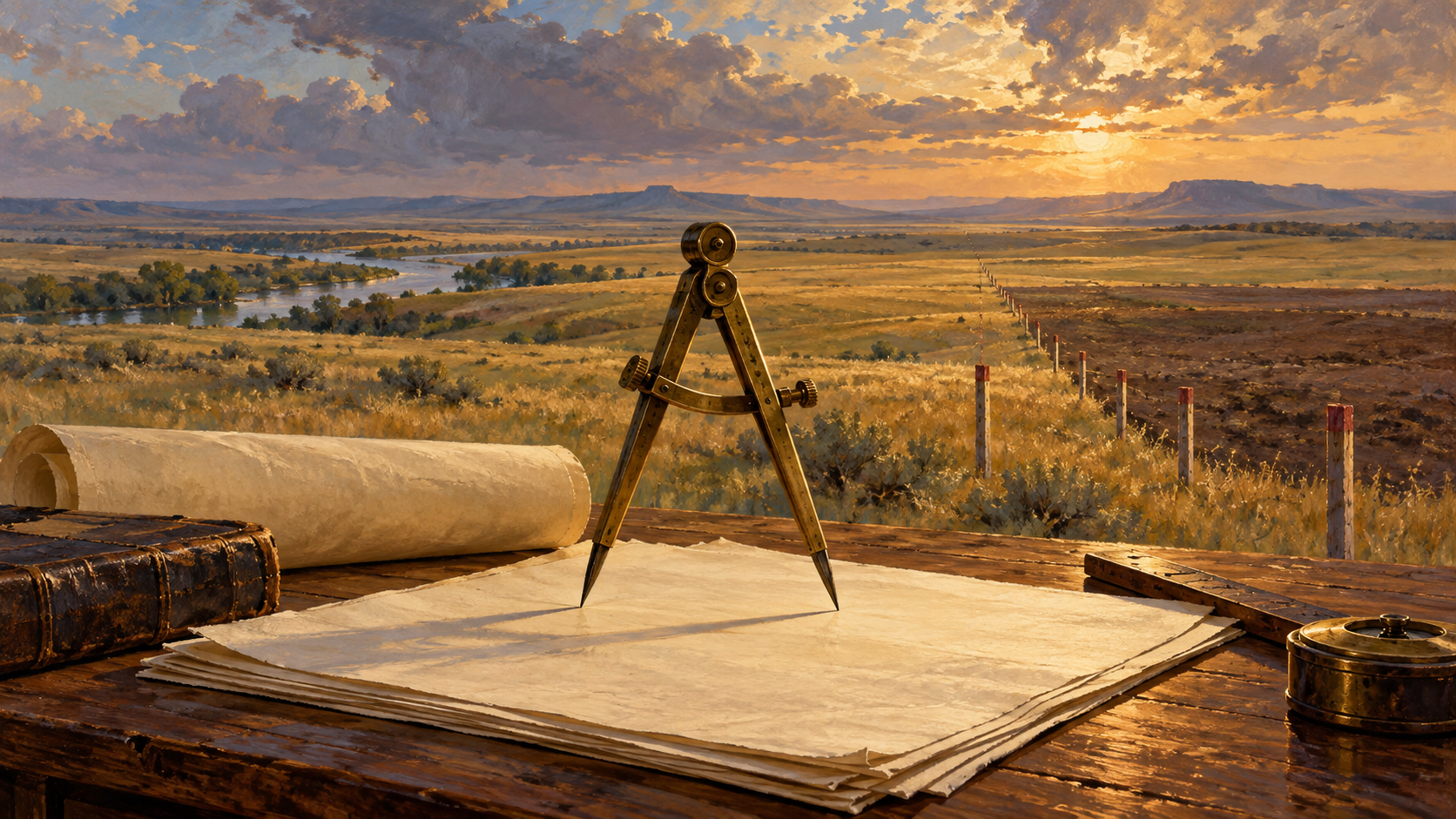
On This Day in Politics: February 8, 1887
On February 8, 1887, President Grover Cleveland approved the Dawes Act in Washington, giving the federal government a broad mechanism for dividing tribal reservation lands into individual allotments. Also called the General Allotment Act, the law took its familiar name from Senator Henry Dawes of Massachusetts. It promoted a federal policy of assimilation that sought to replace communal landholding with individually assigned parcels and agricultural households. The measure was presented by supporters as a route toward citizenship and economic independence. In practice, allotment became a major instrument for weakening tribal land bases, disrupting communities, and transferring large areas of Native land to non-Native ownership.
The act developed from a political movement that treated Native nations’ existing institutions and land arrangements as obstacles to assimilation. Reform advocates associated private property and farming with their own vision of American citizenship, while settlers and commercial interests wanted access to reservation territory. These purposes could reinforce one another even when their stated aims differed. Native peoples were not a single community with one economy or one relationship to land, but the policy imposed a general federal model across very different circumstances. It expanded Washington’s control over decisions about reservation property instead of respecting those decisions as matters for the affected nations to determine for themselves.
Under the original law, the president could order eligible reservation lands surveyed and allotted. A head of a family could receive 160 acres, with smaller allocations for other eligible individuals. The government generally held an allotment in trust for twenty-five years before conveying full title, although the trust period could be extended. The act also provided a path for lands deemed surplus after allotment to be acquired and opened to settlement. That designation did not mean the land lacked importance to its original community. Some tribes were excluded from the 1887 statute, and later legislation extended related policies. The February signing therefore began neither every allotment practice nor a single uniform process affecting all Native nations at once.
The consequences unfolded over decades. During the allotment era, Native landholdings fell from roughly 138 million acres in 1887 to about 48 million acres in 1934, a loss associated with allotment, surplus-land transfers, and subsequent policies. Individual parcels could be unsuitable for the farming expected of their holders, while division also fractured the territorial basis of tribal government. The Indian Reorganization Act of 1934 ended further allotment under the general policy, but it did not automatically restore the land already lost. February 8 is remembered as a turning point in federal Indian policy because the law tied promises of individual opportunity to a system that eroded collective ownership and sovereignty, leaving enduring disputes over land, trust responsibilities, and self-government.
The Dawes Act and the Dawes Commission were different developments. The act became law in 1887; the commission was established in 1893.
The original statute excluded several named tribes. Later measures expanded allotment, so a tribe's particular history cannot be inferred from the 1887 law alone.
Trust status was meant to limit the immediate sale of allotted parcels. Subsequent changes and the opening of surplus lands still enabled extensive loss of Native territory.
Allotment was more than a change in property paperwork. It affected community relationships and the land base on which tribal governments exercised authority.
The 1934 shift away from allotment did not reverse all previous transfers or eliminate the complications created by divided ownership.
Understanding this anniversary requires distinguishing the policy's stated assimilation goals from its consequences for Native nations and their continuing efforts to retain and recover land.
Explore more of "On This Day ..."
Discover more events from the same date across news, politics, technology, sports, and other fields. Each link highlights significant moments that shaped history on different fronts.