

On This Day in Politics: February 12, 1909
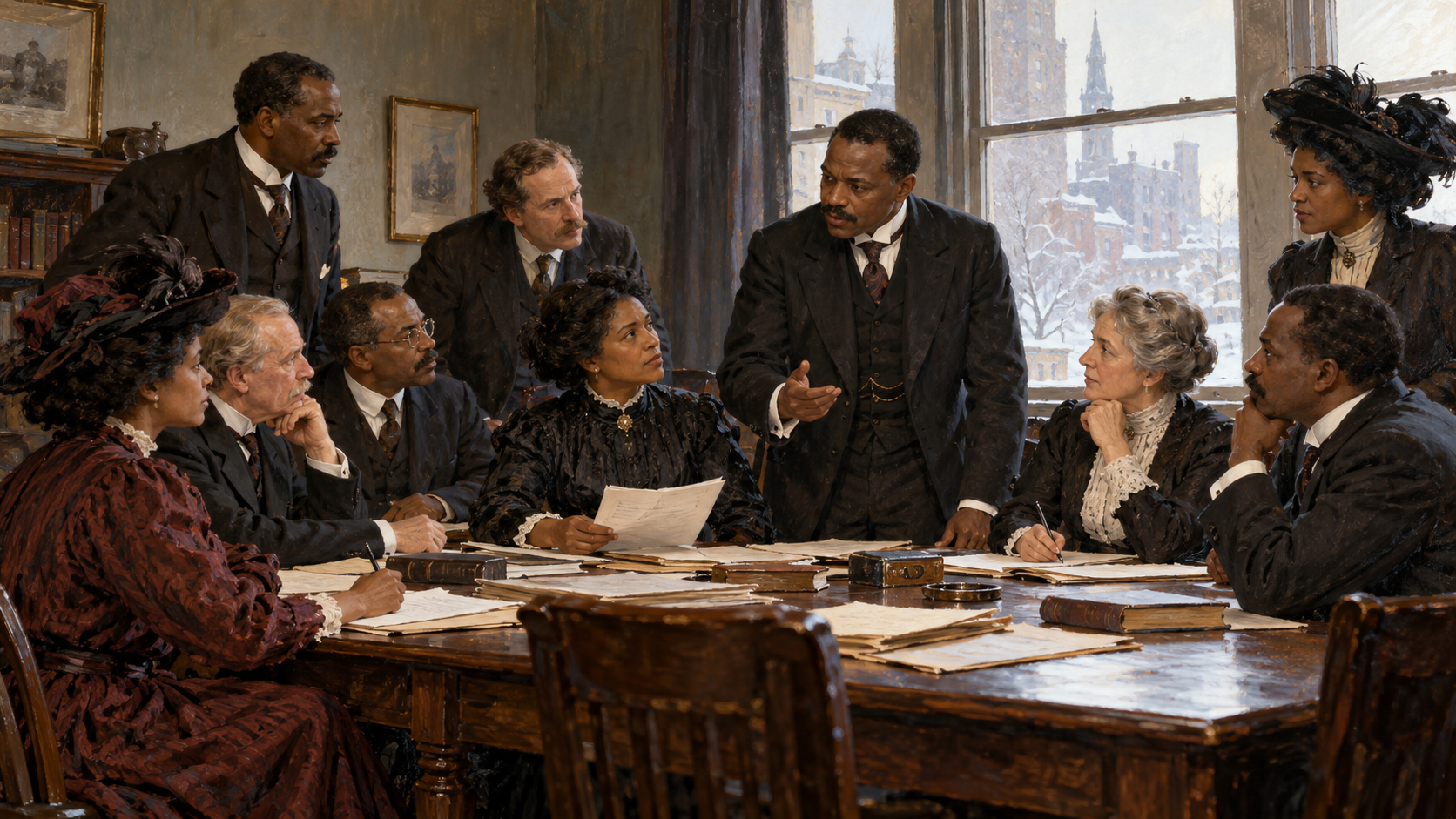
On February 12, 1909, a call for a national meeting on racial justice helped launch the organization that became the National Association for the Advancement of Colored People. Issued on the centennial of Abraham Lincoln’s birth, the appeal linked the unfinished promises of emancipation to the violence and discrimination Black Americans still faced. The date is observed as the NAACP’s founding anniversary, although its organization developed through subsequent meetings and institution building. Its founders proposed a sustained national response to unequal citizenship, bringing together people who believed that constitutional guarantees required organized public pressure to become meaningful in everyday life.
The immediate catalyst was the racist violence that swept Springfield, Illinois, in 1908. The attack carried particular force because Springfield was associated with Lincoln, and because it exposed racial terror outside the South. Reformers including Mary White Ovington, William English Walling, Henry Moskowitz, and Oswald Garrison Villard helped organize the founding appeal. Black activists brought their own experience and leadership to the developing coalition. W. E. B. Du Bois, Ida B. Wells, and Mary Church Terrell were among the signatories. The effort also drew on the Niagara Movement, which had already demanded full civil and political rights rather than accommodation with segregation.
The new association gradually combined several ways of pursuing change: investigation, public education, political advocacy, and litigation. A national office opened in New York in 1910, and Du Bois became a central voice through The Crisis magazine. These activities addressed connected problems. Violence could prevent people from exercising rights formally written into law, while discriminatory rules could make exclusion appear routine and legitimate. The organization therefore sought both to challenge particular injustices and to change the public arguments used to defend them. Its interracial membership did not erase disagreements over strategy, but it created an institution capable of maintaining campaigns beyond a single emergency or protest.
The significance of February 12 lies in that commitment to durable collective action. Over the following decades, the NAACP challenged voting restrictions, segregation, and racial violence through campaigns whose outcomes were neither quick nor guaranteed. Its legal work helped contest discriminatory practices, while national advocacy made local abuses harder to dismiss as isolated incidents. Later civil rights victories depended on many organizations, lawyers, communities, and individuals; the association was one important part of that broader struggle. Remembering its beginnings therefore means recognizing both the courage of the founding coalition and the enormous distance between a declaration of equal citizenship and the institutions needed to secure it.
The 1908 Springfield violence challenged the comforting idea that racial terror belonged to only one region. Organizers treated it as evidence of a national political problem.
Lincoln’s birth centennial gave the founding appeal a pointed frame: emancipation had not delivered secure and equal citizenship.
The February call began an organizing process. Meetings, staffing, fundraising, and a national office were needed to turn the appeal into a working association.
The coalition included experienced Black reformers as well as white allies. Their cooperation brought resources and reach without eliminating strategic disagreements.
The association’s combination of court cases and public advocacy helped connect individual injuries to broader constitutional questions.
Its founding anniversary marks the creation of a lasting civil rights institution, while reminding readers that later achievements emerged from a much wider movement.
Explore more of "On This Day ..."
Discover more events from the same date across news, politics, technology, sports, and other fields. Each link highlights significant moments that shaped history on different fronts.