

On This Day in Politics: April 13, 1919
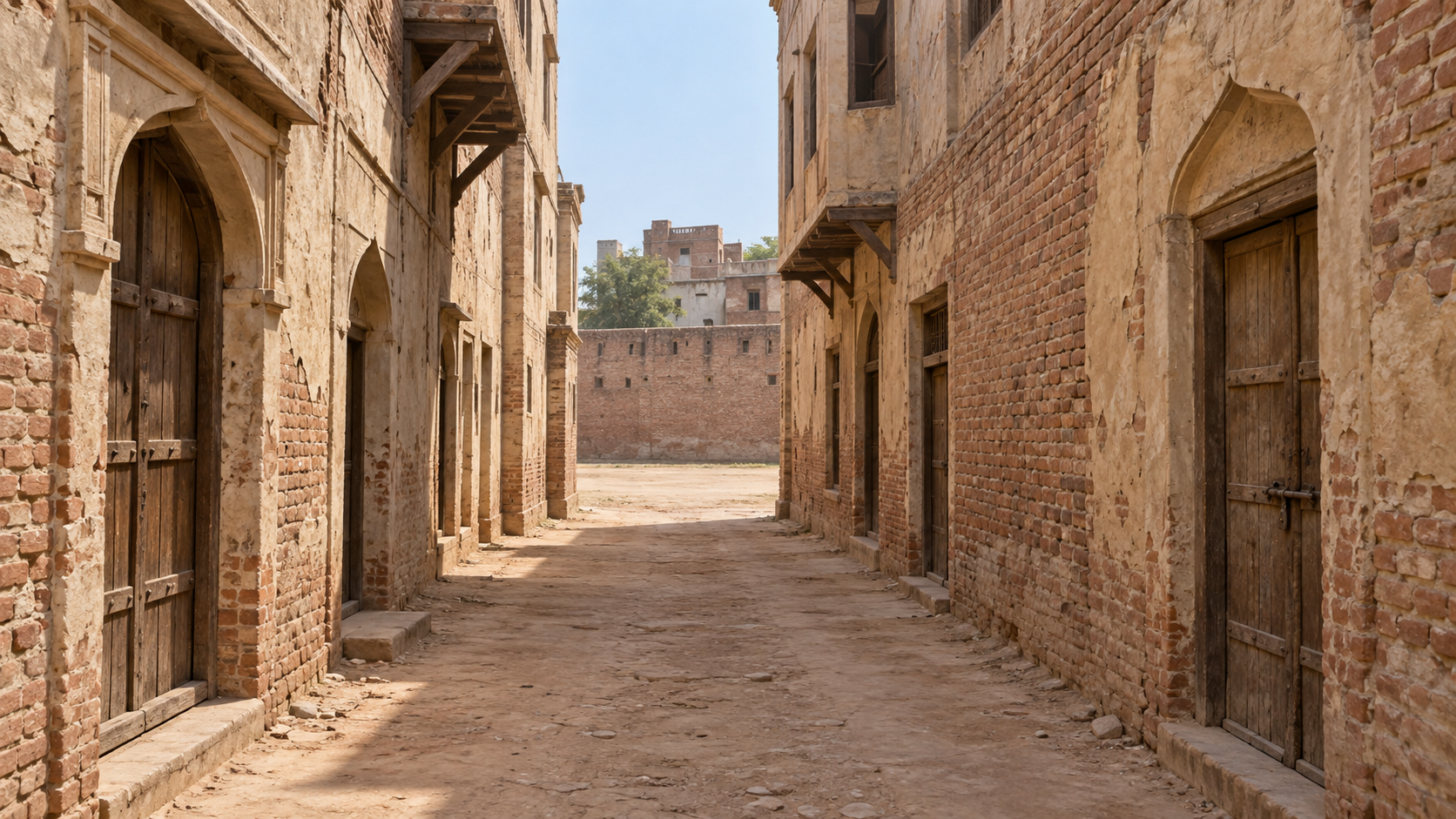
On April 13, 1919, troops commanded by Brigadier General Reginald Dyer fired into an unarmed crowd at Jallianwala Bagh in Amritsar, British India. People had gathered in the enclosed space during the Baisakhi festival, and the crowd included both festival visitors and political protesters. The shooting killed hundreds and became known as the Amritsar massacre. An official inquiry recorded 379 deaths, while other estimates placed the toll higher. The disagreement over the final number should not obscure what is firmly established: soldiers used sustained lethal force against a civilian gathering, and the consequences extended far beyond the city where the killings occurred.
The massacre took place amid growing opposition to colonial rule after the First World War. India had contributed extensively to Britain’s war effort, while demands for greater political freedom continued to grow. In Amritsar, arrests of local political leaders and earlier disturbances had sharpened tensions. Dyer had prohibited public meetings before moving troops into Jallianwala Bagh. The gathering’s confined setting made escape difficult when firing began. The event joined questions of military command to a larger political issue: whether a colonial administration claiming to maintain order could retain legitimacy after its forces inflicted such extensive harm on people assembled without arms.
The killings also prompted argument inside Britain about responsibility and accountability. In the House of Commons on December 22, 1919, Colonel Josiah Wedgwood condemned the shooting and challenged its justification as a means of preventing future unrest. Secretary of State for India Edwin Montagu responded that conclusions and action should await the inquiry then underway. Their exchange shows that the massacre was already a dispute over imperial government, not merely a distant military incident. The Hunter Committee investigated the disturbances, heard evidence, and published its findings in 1920. Contemporary parliamentary statements remain valuable evidence of the controversy, although individual speakers’ casualty estimates and descriptions require comparison with the inquiry record.
Amritsar intensified Indian nationalism and helped transform relations between Britain and those demanding self-government. Gandhi and other Indian National Congress leaders pursued campaigns of nonviolent resistance as opposition broadened. Constitutional concessions did not settle the underlying struggle: the Government of India Act of December 1919 introduced a limited and complicated sharing of authority, while independence remained decades away. Remembering April 13 therefore involves both the people killed and the political rupture their deaths produced. The massacre exposed the coercive foundations of colonial power and became an enduring reference point in debates about state violence, accountability, and the right of a population to govern itself.
Troops under Reginald Dyer fired on the gathering on April 13, 1919.
The crowd included Baisakhi visitors and political protesters.
The official inquiry recorded 379 deaths; other estimates were higher.
Jallianwala Bagh’s enclosed setting restricted escape.
The Hunter Committee investigated and published findings in 1920.
The massacre intensified opposition to British rule in India.
Explore more of "On This Day ..."
Discover more events from the same date across news, politics, technology, sports, and other fields. Each link highlights significant moments that shaped history on different fronts.