

On This Day in Politics: July 28, 1821
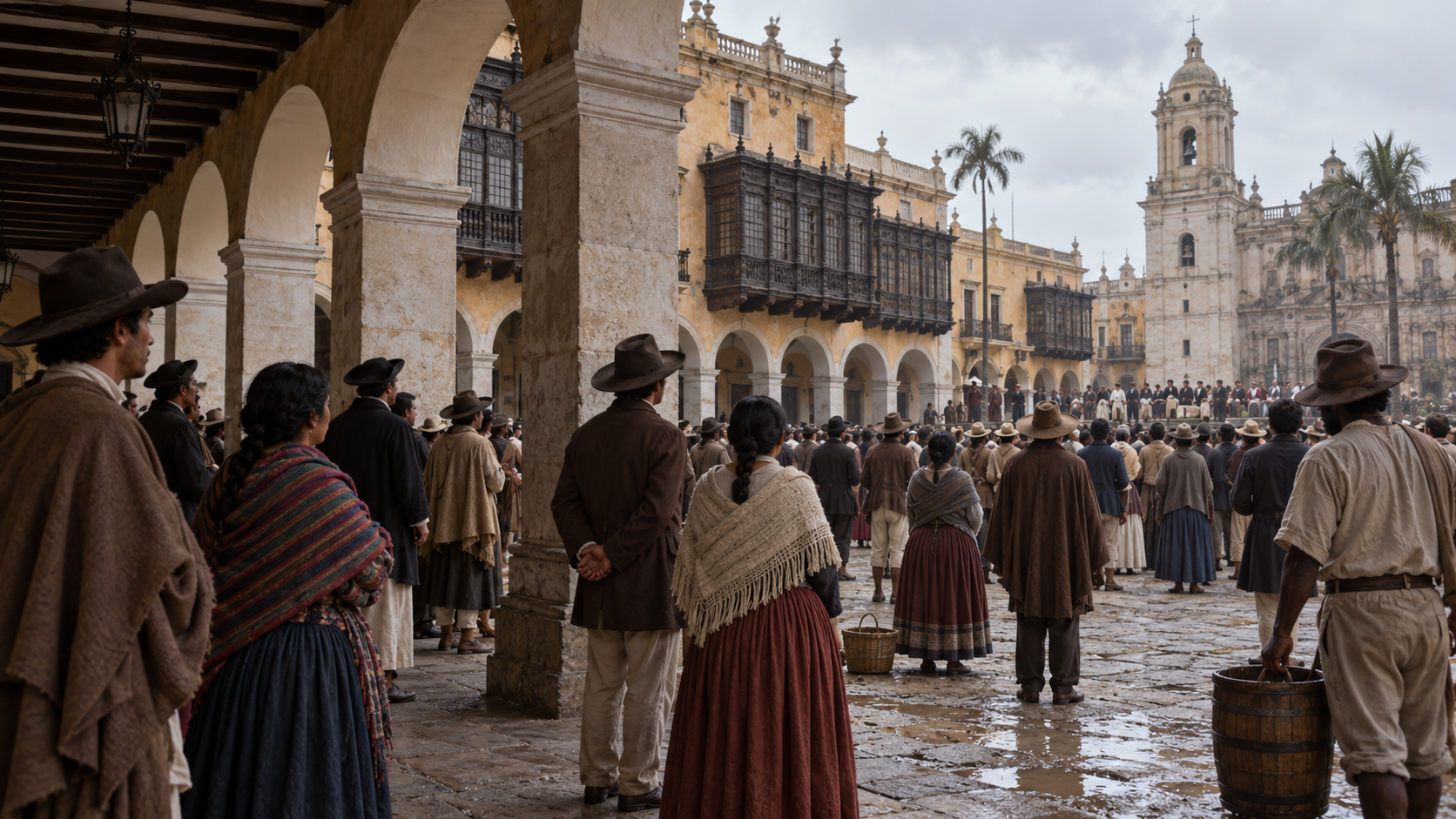
On July 28, 1821, José de San Martín publicly proclaimed Peru’s independence in Lima’s Plaza de Armas. The ceremony announced a break with Spanish rule in a city that had long been a center of colonial government. Peru commemorates that proclamation as its independence anniversary. The date belongs to a wider process, however, rather than to a single moment that settled every political and military question. An act declaring independence had already been signed in Lima on July 15. The public proclamation gave that decision a visible civic setting, bringing the claim of a new national authority before people gathered in the capital.
The change followed years of resistance and the advance of the liberation movement through South America. San Martín had arrived with forces supporting independence, while royalist control faced military pressure and shortages. After Viceroy José de la Serna withdrew from Lima, the city’s political position changed sharply. A meeting of notables in the municipal council produced the July 15 declaration, drafted by Manuel Pérez de Tudela. Preserved in a municipal record book, that document connects the public anniversary to a formal written decision. Together, the council’s action and the later ceremony show how the independence movement sought both a declaration of authority and public recognition.
The proclamation did not by itself supply every institution needed to govern an independent country. Creating an administration became an immediate task. On August 3, San Martín issued a decree establishing ministries for state and foreign relations, war and navy, and finance. Juan García del Río, Bernardo Monteagudo and Hipólito Unanue received those responsibilities. These arrangements addressed diplomacy, military organization and public revenue, practical functions that a proclamation alone could not perform. They also marked the transition from challenging colonial authority to exercising governmental power. The sequence reveals a central feature of independence: establishing sovereignty required decisions about offices, responsibilities and the everyday management of public affairs.
Fighting continued after the celebration in Lima. The patriot victory at Ayacucho on December 9, 1824, and the subsequent royalist capitulation became decisive milestones in consolidating independence. Resistance at the Real Felipe fortress in Callao lasted until January 1826. Those later dates prevent the July proclamation from being mistaken for an immediate end to the entire conflict. July 28 nevertheless remains a defining political anniversary because it expressed the new claim to national freedom in the former colonial capital. Remembering both the declaration and the unfinished work that followed offers a clearer view of how a country’s symbolic beginning connects with the longer struggle to secure and organize its independence.
San Martín proclaimed independence publicly in Lima on July 28, 1821. The anniversary marks that civic declaration.
The written act preceded the ceremony. Lima’s municipal council signed it on July 15.
Royalist withdrawal changed the situation in the capital. Independence still required institutions capable of governing.
An August 3 decree created ministries for foreign relations, military affairs and finance. Administration followed the proclamation.
The victory at Ayacucho came in December 1824. Royalist resistance at Callao continued into January 1826.
July 28 is a national symbolic beginning. The longer history also includes securing independence and organizing public authority.
Explore more of "On This Day ..."
Discover more events from the same date across news, politics, technology, sports, and other fields. Each link highlights significant moments that shaped history on different fronts.