

On This Day in Politics: August 5, 1962
On August 5, 1962, South African police arrested Nelson Mandela near Howick in Natal, now KwaZulu-Natal, while he was traveling with fellow activist Cecil Williams. Mandela was returning toward Johannesburg after reporting to colleagues on a clandestine journey abroad. A leading figure in the African National Congress and its armed wing, Umkhonto we Sizwe, he had been operating underground. Police charged him with leaving the country without a passport and inciting workers to strike. The arrest began the continuous period of imprisonment that ended with his release in February 1990. It did not, however, immediately result in the life sentence commonly associated with his name.
Mandela's political activity challenged apartheid, the system that imposed racial separation and denied the Black majority equal political rights. The government banned the ANC in 1960, narrowing the space for open opposition. Mandela went underground in 1961 and helped organize a workers' stay-at-home protest against the proclamation of a republic that maintained white minority rule. His call followed demands for a non-racial national convention to draft a new constitution. The same period saw the development of Umkhonto we Sizwe and a turn toward armed resistance. These circumstances placed his prosecution within a broader confrontation over political representation and the state's use of law to suppress resistance.
In January 1962, Mandela secretly left South Africa to seek international support and receive military training. His journey included African countries and London before he returned in July. The August arrest interrupted his effort to reconnect with colleagues and report on that mission. His trial began at Pretoria's Old Synagogue on October 15, and on November 7 he received a five-year prison sentence on the passport and incitement charges. Those proceedings should be distinguished from the later Rivonia Trial. Mandela was already a prisoner when police raided Liliesleaf Farm in 1963 and arrested other leaders. The subsequent sabotage case brought him and several comrades before the court on charges connected to the underground movement.
The Rivonia defendants were convicted in June 1964, and Mandela and seven others received life sentences the following day. His imprisonment took him through institutions including Pretoria, Robben Island, Pollsmoor, and Victor Verster, rather than one unchanged place of confinement. He remained in custody as the anti-apartheid struggle developed inside South Africa and international campaigns demanded his freedom. His release on February 11, 1990, was part of a later political transition, not a consequence that the people on the road near Howick could have known in advance. The August 5 anniversary marks the initial loss of liberty and the start of a long confrontation between a prisoner and an exclusionary political system. Accurate chronology preserves both the specific charges of 1962 and the later decisions that extended his imprisonment.
Mandela had been operating underground after the ANC was banned. His 1961 strike call demanded a political order based on participation beyond the white minority.
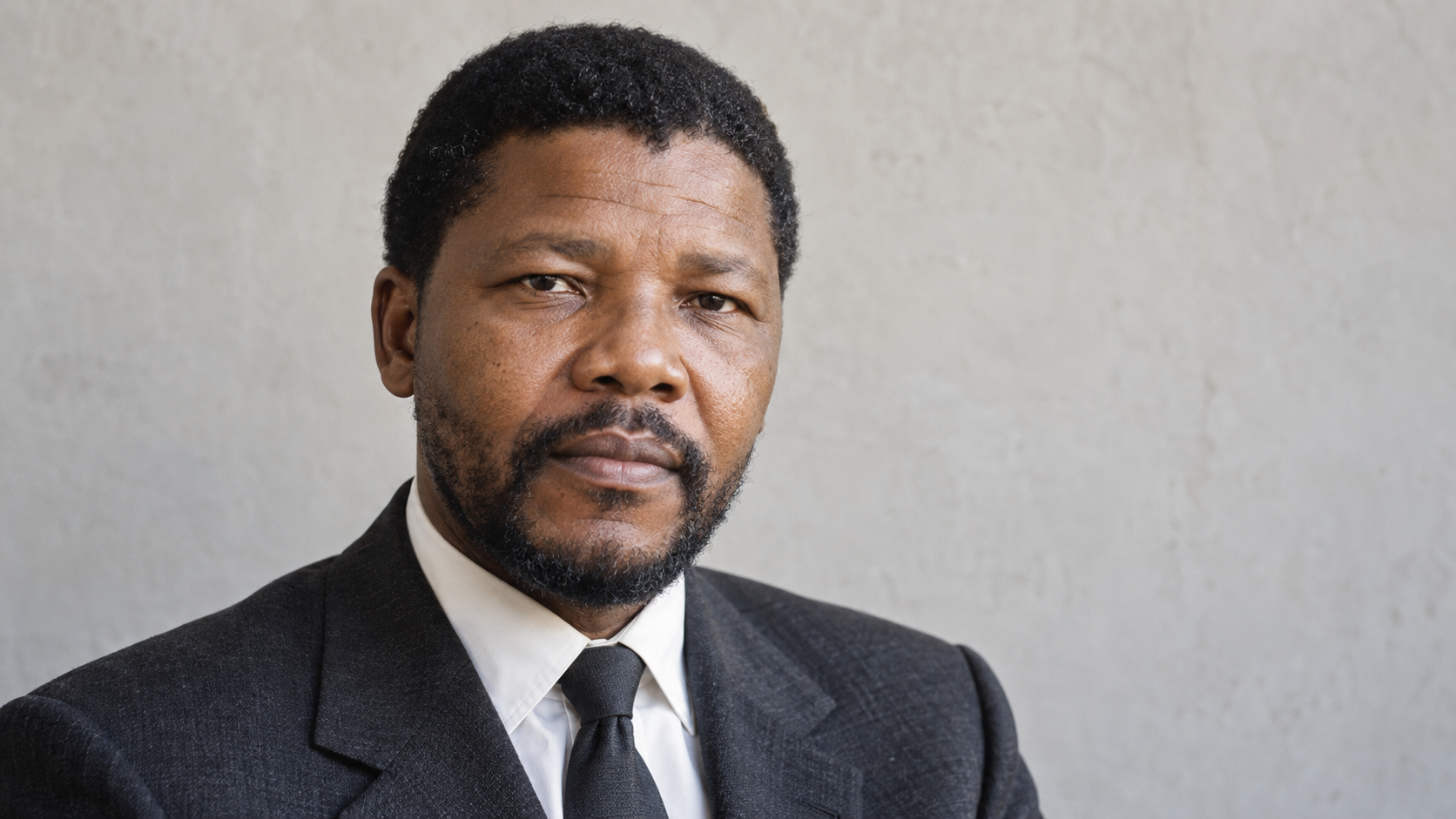
His foreign journey sought support and included military training. The photographs used to research the portrait show him abroad before the arrest; they are not records of the roadside stop.
The first prosecution concerned incitement and leaving the country without a passport. The five-year sentence was imposed in November 1962, three months after his arrest.
The Rivonia prosecution came later, while Mandela was already imprisoned. Its June 1964 life sentence must not be described as a judgment delivered on August 5, 1962.
Mandela's custody continued until February 1990 across several prisons. The arrest anniversary marks the beginning of that period, rather than his first arrival at Robben Island.
Claims about who supplied information leading to the arrest have been contested. This article describes the documented stop and prosecution without presenting an unverified attribution as settled fact.
Explore more of "On This Day ..."
Discover more events from the same date across news, politics, technology, sports, and other fields. Each link highlights significant moments that shaped history on different fronts.