

On This Day in Politics: August 19, 1989
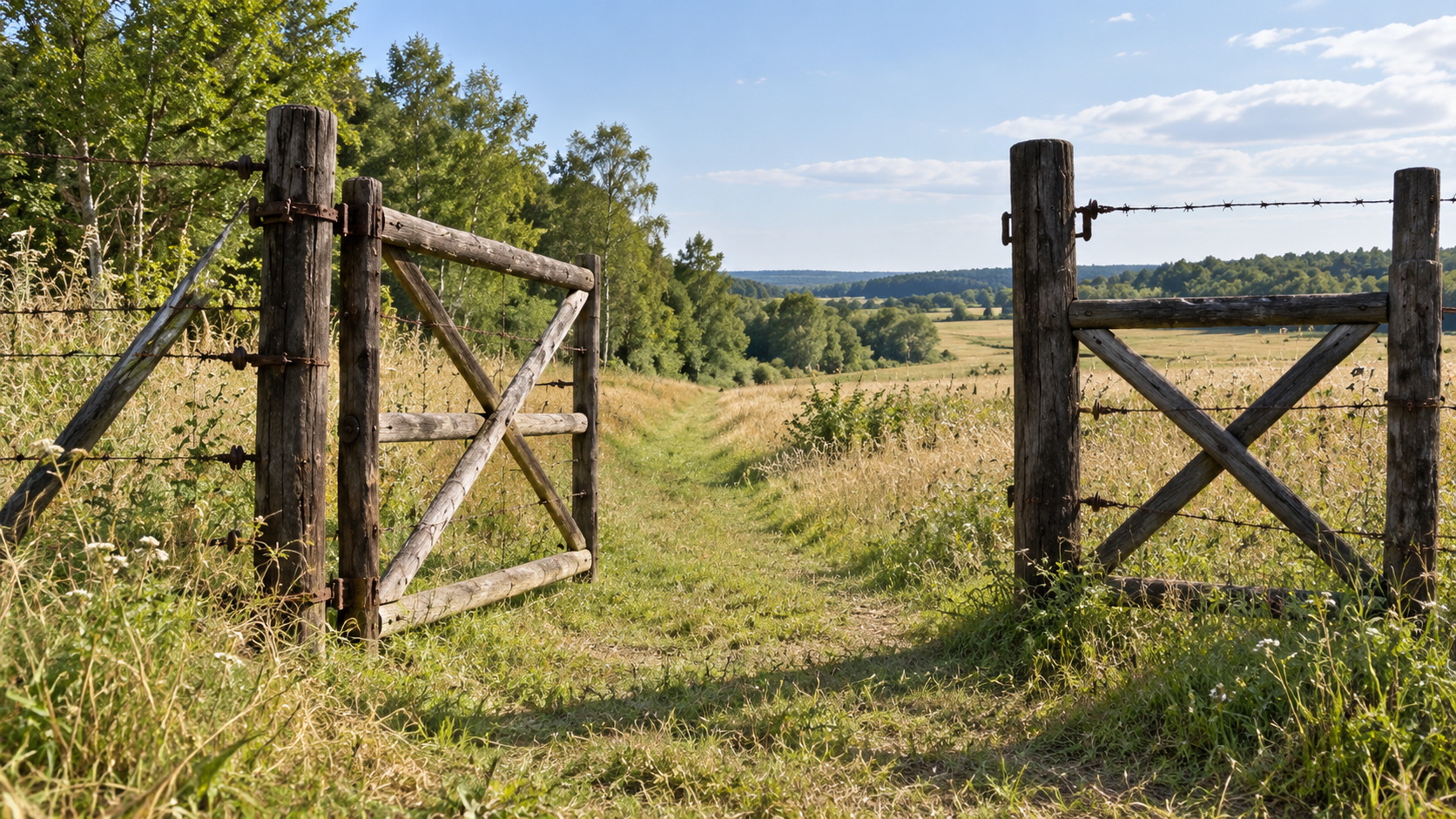
On August 19, 1989, the Pan-European Picnic near Sopron, Hungary, turned a temporary opening of the Hungarian-Austrian border into an opportunity for hundreds of East Germans to cross into Austria. The gathering promoted open borders and European unity, with the Hungarian Democratic Forum and the Paneuropean Union among its organizers. Otto von Habsburg and Hungarian Minister of State Imre Pozsgay served as patrons. A border gate between the Sopron area and Sankt Margarethen was opened with Hungarian government authorization. The symbolic occasion acquired immediate personal consequences when people seeking to leave East Germany used it to reach the West.
The event took place amid changes that had already begun to weaken the Iron Curtain. In May 1989, Hungary started dismantling electronic surveillance equipment and sections of barbed wire along its western frontier. That physical work did not immediately establish unrestricted travel for East German citizens. Many were visiting Hungary or remaining there while looking for a route out, and information about the picnic's planned opening offered a possible opportunity. The organizers' public message concerned a Europe without dividing barriers. For people whose movement was restricted by the East German state, the practical meaning was more urgent: an opening could change where they were able to live.
The crossing was intended to last only a few hours, rather than to announce a permanent new border policy. Hundreds of East Germans nevertheless passed through during the event, and Hungarian guards did not stop the mass crossing by force. The situation placed officers at the intersection of official arrangements and an unexpected movement of people. Permission for a symbolic gathering was not the same as a comprehensive decision to release everyone waiting to leave. The absence of armed suppression made a decisive difference to the people who crossed, but the temporary nature of the opening left uncertainty for many others who remained in Hungary afterward.
The broader policy changed in the following weeks. Hungary's border opened for East Germans on the night of September 10–11, a later decision that should not be confused with the picnic itself. The accumulating pressure on East Germany formed part of the upheaval that eventually brought the Berlin Wall's opening in November and German reunification the following year. The picnic contributed to that sequence without single-handedly causing every subsequent event. August 19 is remembered because a civic demonstration, a government-authorized opening, and individual decisions converged at one rural gate. The episode shows how large political barriers could weaken through local initiatives and choices about enforcement, before the full diplomatic and institutional consequences were settled.
Hungary had begun removing parts of its border infrastructure in May. That earlier work did not yet provide unrestricted passage for East German visitors.
The picnic joined a public demonstration with a temporary crossing. Organizers promoted European unity while governments still controlled the legal border.
The planned opening lasted only hours. People seeking to leave East Germany used that limited opportunity for purposes beyond the symbolic program.
Hungarian guards did not suppress the mass crossing by force. Their actions helped determine the event's immediate human outcome.
The September border opening established a broader route for East Germans. It was a later policy development rather than the August picnic extended indefinitely.
The event became one episode in the collapse of Europe's Cold War divisions. Its local importance and its larger consequences should be understood together.
Explore more of "On This Day ..."
Discover more events from the same date across news, politics, technology, sports, and other fields. Each link highlights significant moments that shaped history on different fronts.