

On This Day in Politics: September 1, 1939
On September 1, 1939, Nazi Germany invaded Poland, turning a confrontation over European security into open war. German forces crossed the frontier while attacks also struck Polish positions around the Free City of Danzig. The assault challenged the existence of the Polish state and the commitments made by Britain and France to defend it. It was not a negotiated transfer of territory or a response to a genuine Polish attack. Germany's government used false claims and manufactured incidents to justify an offensive it had prepared in advance. The invasion became the conventional starting date of World War II in Europe.
The political groundwork had developed through several years of German expansion. Hitler had previously signed a nonaggression agreement with Poland, but abandoned that commitment as Germany's territorial ambitions grew. Britain and France had attempted to preserve peace through concessions, including the Munich settlement of 1938. Germany's subsequent dismantling of Czechoslovakia undermined confidence in those assurances. In August 1939, Germany and the Soviet Union concluded another nonaggression pact, with a secret arrangement dividing their interests in eastern Europe. That agreement reduced the danger of Soviet opposition to a German attack and placed Polish sovereignty at risk from both neighboring powers.
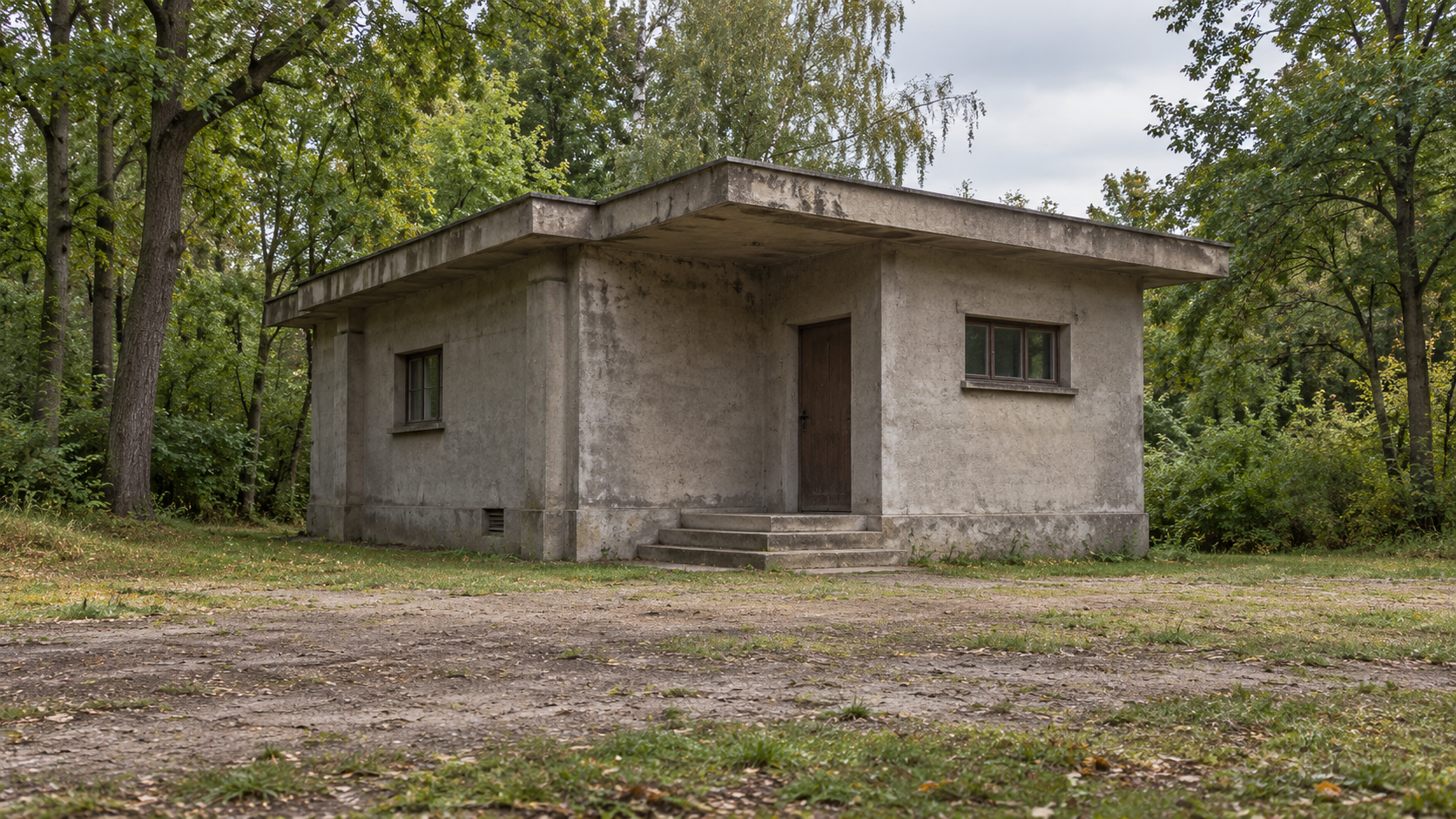
Westerplatte illustrated the immediate consequences of those decisions. Poland maintained a military transit depot on the peninsula under arrangements established through the League of Nations. On September 1, the German battleship Schleswig-Holstein opened fire on the Polish position, followed by attacks on the garrison. Its defenders continued to resist until September 7. The depot's survival for several days did not determine the outcome of the broader invasion, but it made the defense of a small authorized Polish foothold a lasting symbol of resistance. The fighting there also shows how a dispute framed in diplomatic language became a direct assault on people and institutions.
Britain and France declared war on Germany on September 3, widening the conflict without immediately reversing Poland's military position. Soviet forces entered eastern Poland on September 17, and the two invading powers subsequently partitioned the country. Occupation replaced Polish control across its territory and brought persecution as well as the destruction of political independence. Those developments unfolded after the initial attack and should not all be compressed into September 1. The date matters because it marks the deliberate use of force to overturn another state's sovereignty. Its aftermath exposed the limits of diplomatic promises when aggressive governments were prepared to destroy the international arrangements those promises were intended to protect.
Britain and France had guaranteed Poland's security after German expansion shattered confidence in earlier concessions. The invasion tested those commitments and the wider European system of territorial sovereignty.
The German-Soviet pact of August 1939 included a secret division of interests in eastern Europe. It supplied the diplomatic background to attacks that would come from opposite sides of Poland.
The assault began on September 1, 1939. At Westerplatte, a Polish transit depot established through League of Nations arrangements came under fire from the Schleswig-Holstein.
Westerplatte's defenders resisted until September 7. Britain and France entered the war on September 3, but that decision did not stop the German advance or immediately relieve Poland.
Soviet intervention on September 17 and the subsequent partition belong to the invasion's aftermath. Their separate dates clarify how the destruction of Polish territorial control developed over several weeks.
The conventional European starting date does not erase conflicts already under way elsewhere. September 1 identifies the beginning of the European war and a decisive breakdown of the interwar diplomatic order.
Explore more of "On This Day ..."
Discover more events from the same date across news, politics, technology, sports, and other fields. Each link highlights significant moments that shaped history on different fronts.