

On This Day in Politics: September 13, 1788
On September 13, 1788, the Congress of the Confederation, meeting in New York, set the timetable for beginning the United States government under the new Constitution. Its resolution designated dates for appointing presidential electors, casting their votes and commencing proceedings under the new system. It also retained the existing seat of Congress as the place where the government would begin. The decision connected constitutional ratification with the practical work of organizing institutions. Congress did not elect George Washington that day or start the new federal legislature immediately. It established a sequence through which the participating states could prepare for the change in government.
The Constitution had emerged from the Philadelphia convention in September 1787 and had been submitted to state ratifying conventions. Its seventh article provided that ratification by nine states would be sufficient to establish it among the states accepting it. New Hampshire became the ninth state to ratify in June 1788. Congress still operated under the Articles of Confederation while the new arrangements were being organized. That position made the outgoing legislature a bridge between two systems: it had to acknowledge the ratifications and arrange a beginning for the institutions that would replace it, even though it would not itself exercise the powers assigned to the new Congress.
The September resolution placed the appointment of electors on the first Wednesday of January 1789, January 7. Electors were to assemble in their respective states and vote for president on the first Wednesday of February, February 4. Proceedings under the Constitution were to begin on the first Wednesday of March, March 4, at the present seat of Congress in New York. These were related but different actions, involving state choices, electoral voting and the organization of the federal government. The timetable applied to states that had ratified the Constitution before the designated election stage; it did not turn the presidential choice into a single nationwide popular ballot.
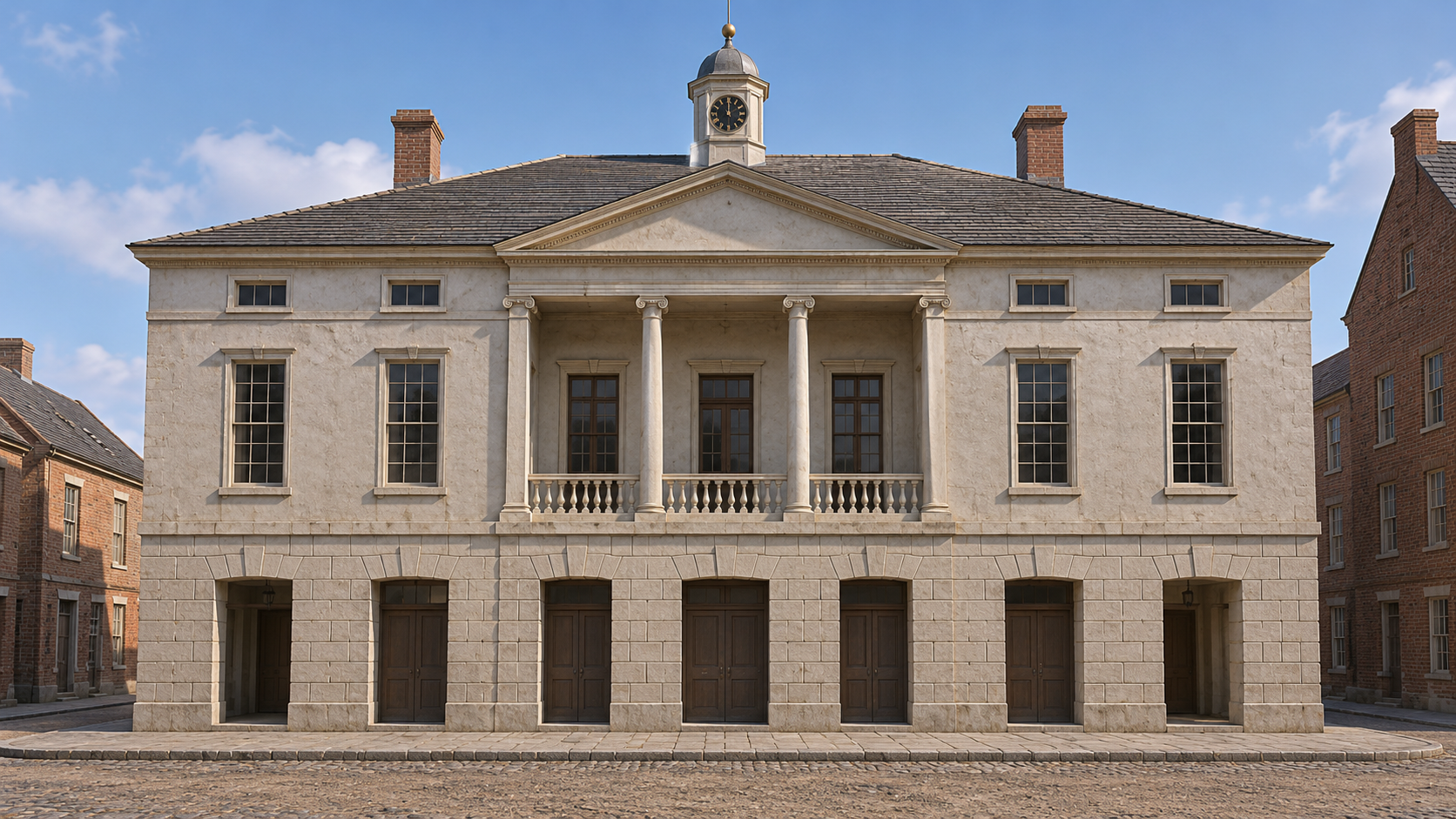
The planned start also exposed the difference between a legal date and a fully functioning government. When the First Federal Congress was due to assemble on March 4, 1789, attendance was insufficient for the necessary quorums, and the chambers became operational later. Washington's inauguration on April 30 was another separate milestone. New York's remodeled Federal Hall provided the setting for those early proceedings, before the government moved to Philadelphia in 1790. September 13 matters because the Constitution required a practical transition as well as approval of its text. By specifying a calendar and a location, the outgoing Congress helped turn ratification into an organized process for creating elected offices and beginning the new federal institutions.
Ratification by nine states was sufficient to establish the Constitution among the states accepting it. New Hampshire's approval in June 1788 allowed Congress to organize the transition from the Articles of Confederation.
The outgoing Confederation Congress arranged the start of institutions that would replace its own system. Its role was to establish procedures, rather than elect a president itself.
The resolution of September 13 set January 7, 1789 for appointing electors, February 4 for electoral voting and March 4 for beginning government proceedings in New York.
The stages involved different participants and actions. The presidential election was not a single national popular vote held on the date Congress adopted the timetable.
Insufficient attendance delayed the new Congress's ability to act after its planned March 4 start. Washington's April 30 inauguration was a later milestone in the same transition.
The anniversary illustrates how a constitution becomes an operating government. Ratification had to be followed by election arrangements, a meeting place and functioning representative institutions.
Explore more of "On This Day ..."
Discover more events from the same date across news, politics, technology, sports, and other fields. Each link highlights significant moments that shaped history on different fronts.