

On This Day in Politics: October 5, 1910
On October 5, 1910, republicans proclaimed the Portuguese Republic from Lisbon City Hall after an armed uprising brought down the monarchy. José Relvas announced the new regime from the municipal balcony, while a provisional government headed by Teófilo Braga assumed power. King Manuel II's reign was over. The proclamation changed the basis on which national authority was claimed: government would no longer rest on a hereditary crown. Yet the declaration was only the opening of a new constitutional order. The structure of the republic, the choice of its first constitutional president and the limits of political participation still required decisions in the months ahead.
Republican opposition had developed over decades of dissatisfaction with the monarchy. Arguments about national prestige, government and the country's future helped the movement gain support. The British ultimatum of 1890 intensified criticism of the royal system, and the assassination of King Carlos and the crown prince in 1908 deepened the political crisis. Manuel II inherited the throne in that unsettled setting. Republican organizers pursued a change of regime rather than another adjustment within the monarchy. Fighting in Lisbon on October 4 and 5 brought that struggle to its decisive point. The city hall proclamation then gave a public and institutional form to the collapse of royal authority, placing the republican leadership before the country as its new government.
The provisional administration immediately sought recognition abroad. A telegram sent from Lisbon on October 5 informed the United States that the monarchy had been abolished and identified the new government's members. That communication expressed the leaders' claim to speak for Portugal; it was not proof that all international recognition or domestic acceptance had already been secured. Constitutional work followed in 1911. A constituent assembly developed and approved the new constitution on August 21, then elected Manuel de Arriaga as the republic's first constitutional president. The resulting system placed government within a parliamentary framework. These later steps explain why Braga's provisional leadership should not be confused with a presidency established under an already completed republican constitution on the day of the revolution.
The new regime's promise of national sovereignty did not produce universal voting rights. Electoral restrictions left substantial parts of the population outside political participation, and the First Republic was marked by deep conflict and repeated instability. It eventually ended with the military coup of May 28, 1926, which dissolved parliament and introduced military dictatorship. That later collapse does not erase the importance of the 1910 proclamation, but it qualifies any account that treats the removal of the monarchy as a completed democratic transformation. October 5 marks the founding of Portugal's republican form of government. It also opens a longer history of argument over representation, constitutional authority and whether political institutions could turn the revolution's aspirations into a durable governing system.
The republican movement predated the October uprising. Its challenge grew through years of political criticism and crises that weakened confidence in the monarchy.
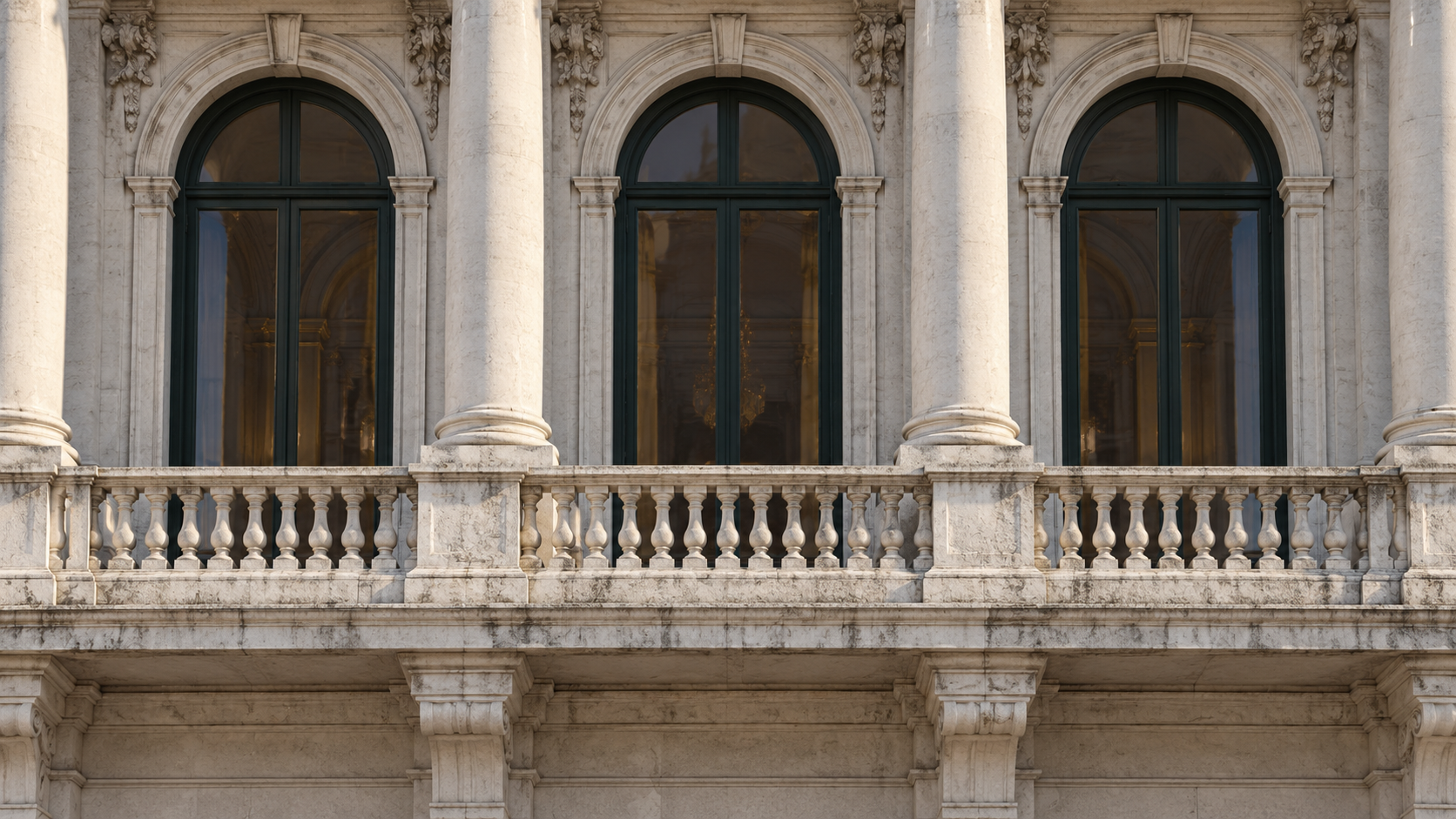
Lisbon City Hall supplied the public setting for the proclamation. The balcony announcement followed the armed struggle rather than replacing it.
Braga headed a provisional government. The republic's constitution and the election of its first constitutional president belonged to the following year.
An October 5 diplomatic telegram announced the new administration to Washington. A government's notification and another state's formal recognition are different acts.
The 1911 constitution established a parliamentary republic, but its political system did not extend the vote universally. Ending hereditary rule did not include everyone in elections.
The First Republic lasted until the 1926 military coup. Its experience shows why a change of regime and the consolidation of stable representative government require separate assessment.
Explore more of "On This Day ..."
Discover more events from the same date across news, politics, technology, sports, and other fields. Each link highlights significant moments that shaped history on different fronts.