

On This Day in Politics: October 14, 1964
On October 14, 1964, Nikita Khrushchev was removed from the Soviet Union's leadership. The change ended his tenure at the center of Communist Party and government authority and brought Leonid Brezhnev and Alexei Kosygin into the leading positions. Brezhnev took charge of the party, while Kosygin became head of government. The division of responsibilities replaced Khrushchev's concentration of the two offices in one person. It was an internal transfer of power within the governing system, rather than a competitive national election or a decision submitted to Soviet citizens for a popular mandate on that day.
Khrushchev's colleagues had accumulated complaints about his leadership, economic initiatives and handling of policy. His reorganizations disrupted established administrative arrangements, and major international confrontations had exposed the risks of his personal approach. Yet it would be misleading to identify one policy failure as the proven sole cause of his removal. Contemporary American assessments described a combination of political resentment, economic disputes and concern about his methods. Those assessments also acknowledged uncertainty about the precise balance of motives. The episode revealed that a powerful leader could lose the support of other senior officials even when public discussion gave ordinary citizens little access to the struggle.
The announcement reached the outside world after the leadership decision. Official explanations invoked retirement and health, but American diplomats in Moscow doubted that this described a voluntary departure. Their early reports are valuable evidence of how foreign governments tried to interpret a tightly controlled political system. They should also be read as assessments made with incomplete information, not as transcripts of every private discussion. For governments dealing with Moscow, the practical question was whether a change of personnel would bring an abrupt shift in Soviet policy. Initial American analysis generally expected substantial continuity in major foreign policy objectives despite the departure of a highly recognizable leader.
The succession did not dissolve the party's monopoly or establish a system of public electoral accountability. It changed who held authority and initially distributed the most important offices between different officials. Brezhnev later became the dominant figure of a long political era, but that later consolidation should not be treated as something fully accomplished by the October decision itself. The distinction helps explain the event's importance: the removal both limited one individual's power and preserved the institutions through which his successors governed. October 14 marks the leadership change, while its public announcement and the assessment of its consequences followed afterward. The Soviet state continued, with a different balance among the people at its summit.
Khrushchev had combined leadership of the party and government. The succession distributed those responsibilities between Brezhnev and Kosygin.
Economic disputes and dissatisfaction with leadership methods formed part of the background. Contemporary evidence does not justify reducing the removal to a single cause.
The decision and its public announcement belong to different stages of the transition. Reports received abroad after October 14 reflect that sequence.
American embassy messages disputed the official retirement explanation. Their observations remain contemporary diplomatic judgments made with limited access to private Soviet deliberations.
Brezhnev's later dominance developed over time. The initial allocation of offices should not be confused with the completed political order of later years.
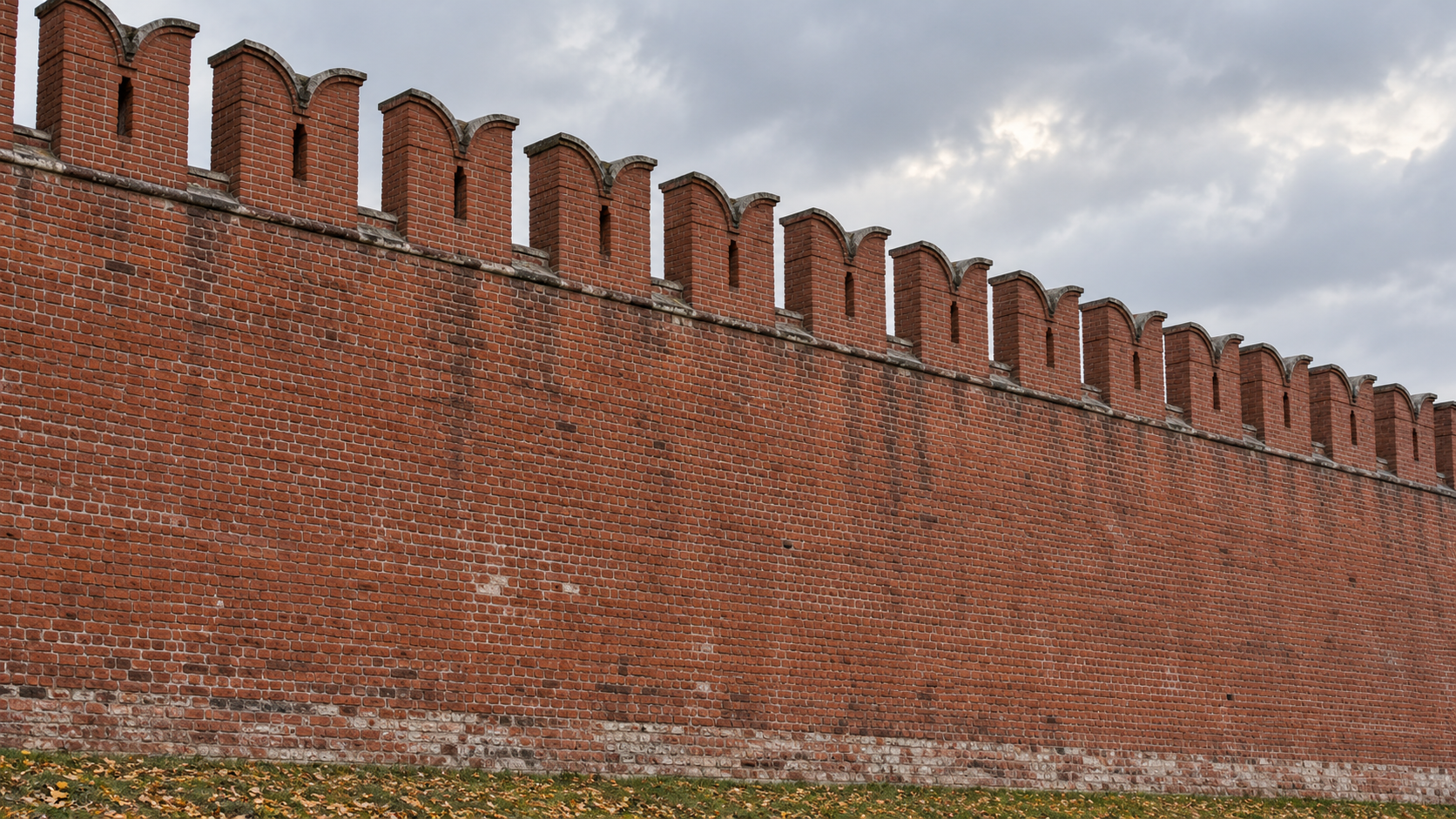
The Kremlin wall illustrates the setting of Soviet central authority. The image makes no claim to show the meeting, its participants or an exact October 1964 scene.
Explore more of "On This Day ..."
Discover more events from the same date across news, politics, technology, sports, and other fields. Each link highlights significant moments that shaped history on different fronts.