

On This Day in Politics: October 27, 1961
On October 27, 1961, the United Nations General Assembly admitted the Mongolian People's Republic to membership. The decision gave Mongolia a formal place in the organization and the opportunity to participate directly in its deliberations. It followed a prolonged effort to secure admission during a period when Cold War rivalries affected many membership applications. Mongolia's entry was a diplomatic milestone for a country concerned with the international recognition and protection of its sovereignty. Joining the United Nations did not create Mongolia as a state on that day. It changed the institutions through which the country could represent itself and pursue relationships with other governments.
Admission required more than a declaration by the applicant. Under the UN Charter's structure, the Security Council recommends a new member and the General Assembly decides on admission. The process makes membership dependent on decisions by existing members, including powers with sharply different strategic interests. Mongolia's location between the Soviet Union and China gave its international position particular importance. Its campaign for a UN seat took place within those larger political relationships. The eventual decision therefore reflected both Mongolia's own diplomatic persistence and the changing circumstances in which other governments considered the question of its participation.
The General Assembly's resolution on October 27 completed the admission process, and Mongolia is recorded as the organization's 101st member. Membership provided a platform for taking part in discussions on peace, security, development and international cooperation. That platform mattered especially to a state whose interests could otherwise be overshadowed by larger neighbors. A seat did not give Mongolia the power of a permanent Security Council member, nor did it eliminate differences among governments over its policies. It did provide the standing to speak and vote in the General Assembly and to build cooperation through an institution with a much wider membership than any single bilateral relationship.
Mongolia's subsequent relationship with the United Nations expanded into many areas of public policy and development. Those later programs and contributions should remain distinct from the act of admission itself. The importance of October 27 lies in the opening of that institutional relationship and the international recognition attached to it. Membership offered diplomatic opportunities while leaving Mongolia responsible for pursuing them through negotiation and participation. The event illustrates why access to a multilateral organization can be significant for smaller states. It creates a place where national interests can be presented publicly and linked with those of other countries, even when material power remains distributed very unevenly across the international system.
Mongolia pursued admission over a prolonged period. Cold War politics shaped the response of existing members.
UN admission involves a Security Council recommendation followed by a General Assembly decision. The two institutional steps have different roles.
The General Assembly admitted Mongolia on October 27, 1961. Official UN records identify it as the 101st member.
Membership created a platform for diplomacy and cooperation. It did not give Mongolia a permanent Security Council seat.
Later UN programs developed after admission. Their results should not be treated as achievements completed on the membership date.
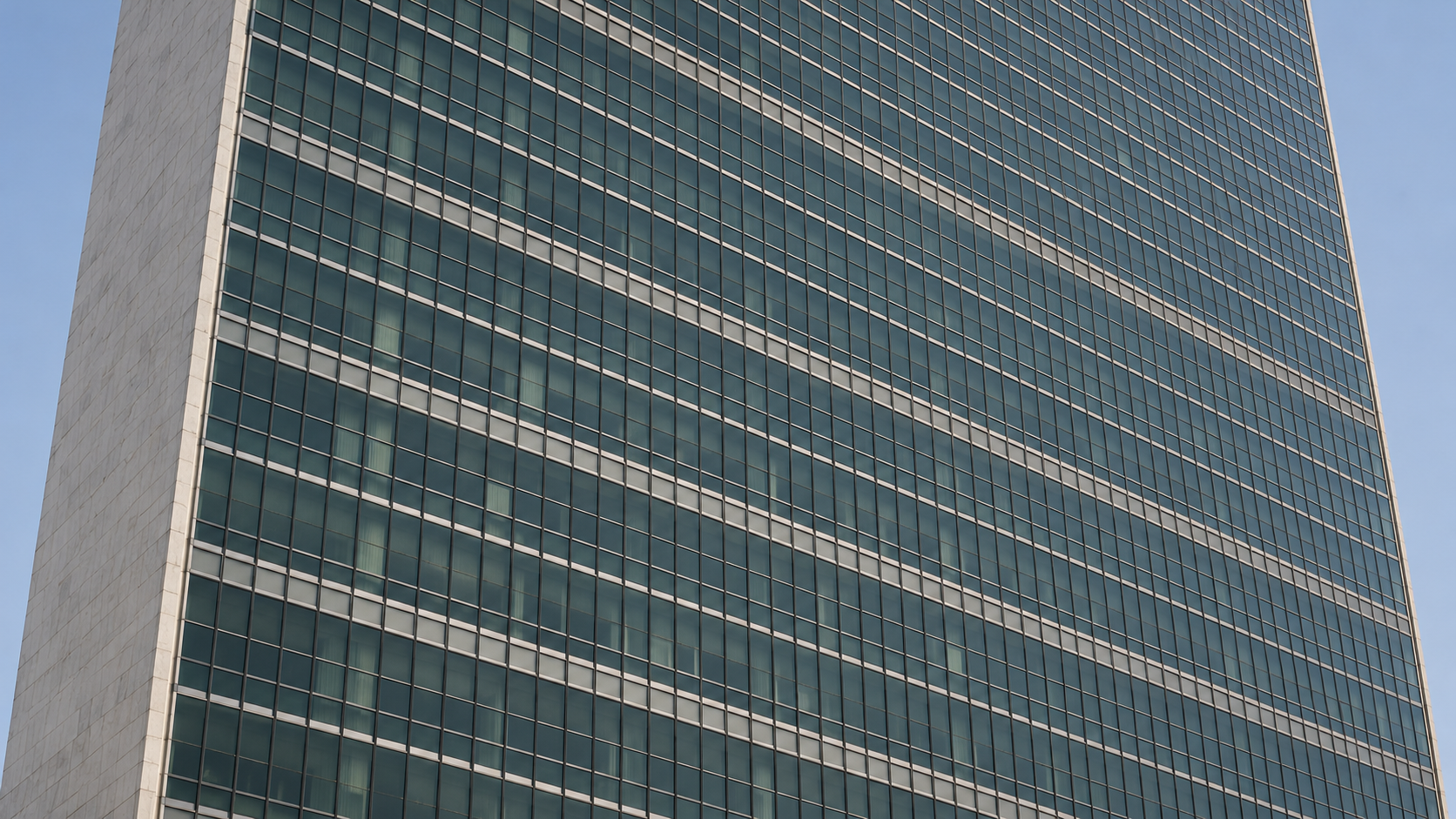
The Secretariat facade is a researched period institutional setting. It depicts neither the admission vote nor a Mongolian delegation.
Explore more of "On This Day ..."
Discover more events from the same date across news, politics, technology, sports, and other fields. Each link highlights significant moments that shaped history on different fronts.