

On This Day in Politics: October 30, 1995
On October 30, 1995, Québec voters narrowly rejected a proposal for sovereignty in a referendum that brought the province close to a profound change in its relationship with Canada. The final official results gave the No option 50.58 percent of valid votes. More than 4.7 million people cast ballots, and turnout reached 93.52 percent. The margin made the result a major moment in Canadian political history. It preserved Québec's place within Canada while demonstrating the strength of support for a different constitutional future. The outcome answered the question on that ballot; it did not remove the political disagreements that had produced the referendum.
The proposal linked sovereignty with a formal offer of a new economic and political partnership with Canada. That wording mattered because voters were being asked about a particular course of action, rather than an abstract statement about national identity. The referendum followed legislative debate and a campaign organized under a provincial framework. Québec's National Assembly approved the question in September, and the government set October 30 as polling day. These steps connected political advocacy with a defined electoral process. They also made the exact question, the eligibility rules and the counting of ballots central to the legitimacy of the outcome.
The official final count recorded 2, 362, 648 votes for No and 2, 308, 360 for Yes, a difference of 54, 288. Rejected ballots were reported separately from the valid votes used to calculate the options' percentages. Those distinctions are essential when describing a contest decided by such a small margin. A percentage of valid votes is not a percentage of every registered elector, and turnout measures a different part of participation. The scale of engagement was itself extraordinary: the electoral authority identifies the referendum's participation rate as the highest in Québec's history. The figures show both how closely the two options divided voters and how widely the electorate took part.
The result had immediate political consequences, including Premier Jacques Parizeau's announcement the following day that he would resign. The referendum also remained a central reference point in later debate about national unity, democratic mandates and Québec's future. Those debates developed through subsequent political choices rather than being fully settled by the count. October 30 marks a decision with a clear numerical outcome and a much wider historical significance. It illustrates the capacity of a democratic vote to determine an immediate course while leaving a deeply divided public to continue negotiating the meaning of that choice and the political relationship it preserves.
The ballot linked sovereignty to an offer of a new economic and political partnership. Its wording was part of the political choice presented to voters.
The question was approved before the campaign began. The government then designated October 30, 1995, as polling day.
The final electoral authority's count gave No 50.58 percent and a 54, 288-vote margin. Valid votes and rejected ballots were counted separately.
Turnout reached 93.52 percent. That measure concerns participation, while the options' percentages concern the valid ballots.
Parizeau announced his intention to resign on the following day. The result did not end debate about Québec's constitutional future.
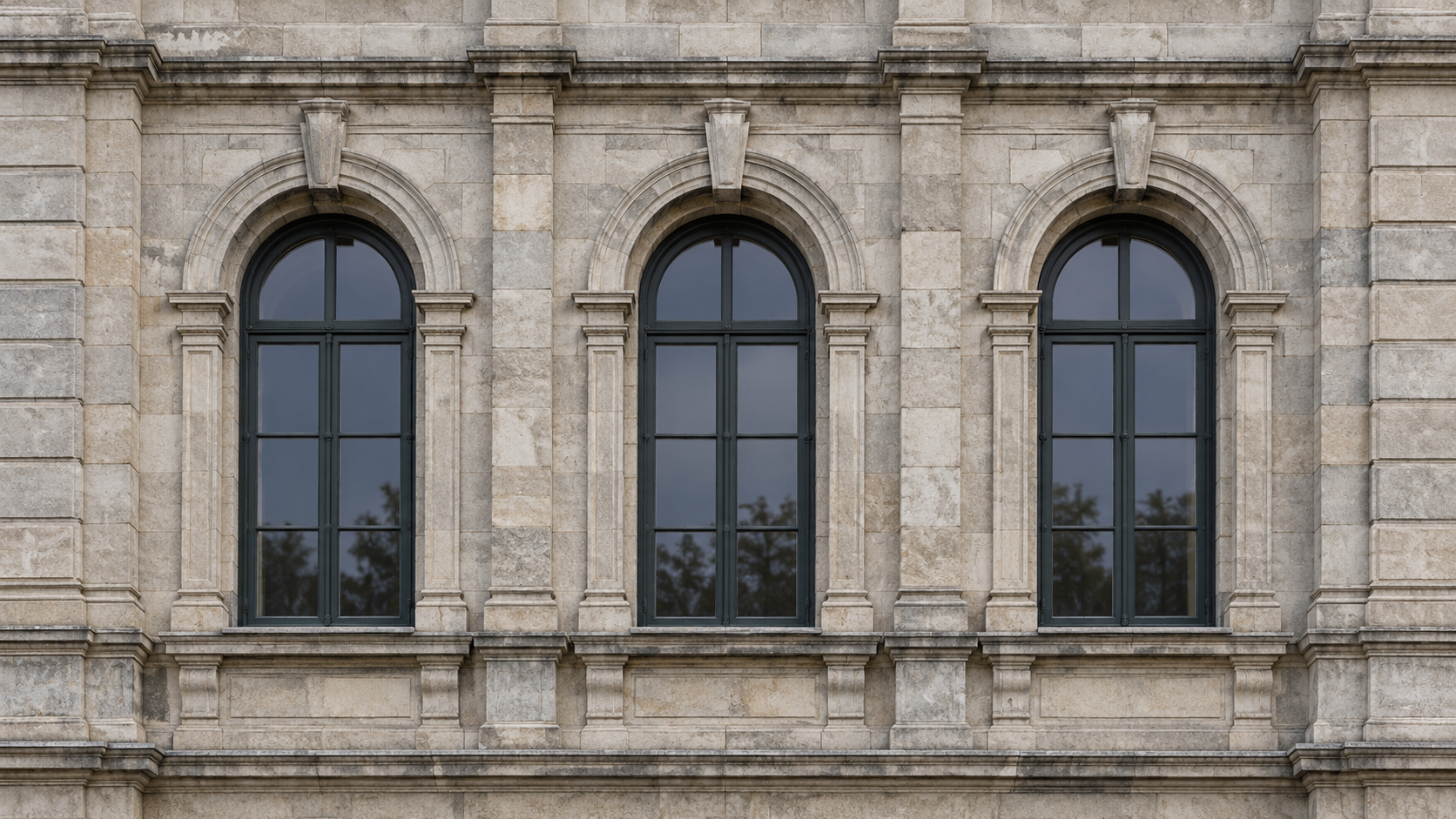
The Parliament facade is an institutional illustration based on pre 1995 archival photographs. It depicts neither a polling place nor referendum-night crowds.
Explore more of "On This Day ..."
Discover more events from the same date across news, politics, technology, sports, and other fields. Each link highlights significant moments that shaped history on different fronts.