

On This Day in Politics: November 8, 2002
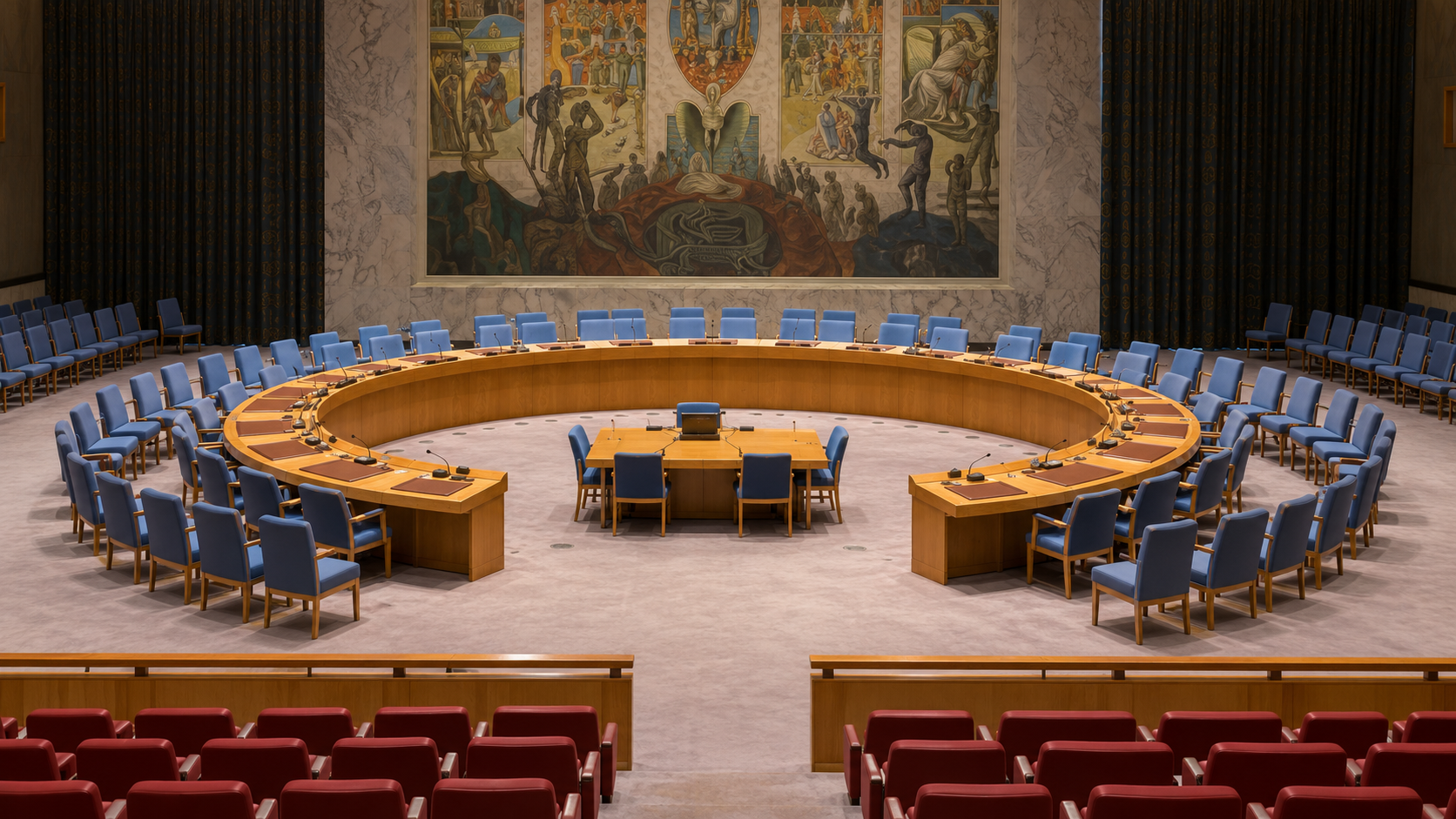
On November 8, 2002, the United Nations Security Council unanimously adopted Resolution 1441 at UN headquarters in New York. The measure addressed Iraq's failure to meet disarmament obligations established after its invasion of Kuwait and the 1991 Gulf War. All fifteen Council members supported the resolution, which offered Iraq a final opportunity to comply and established an enhanced inspection regime. It was an important diplomatic decision in the confrontation over Iraqi weapons programs. The vote itself neither demonstrated that inspectors had found prohibited stockpiles nor ended the disagreement over what action should follow a failure to cooperate.
The resolution drew on a succession of earlier Council decisions, particularly Resolution 687 of 1991. Disarmament requirements had become entangled with sanctions, inspection access and broader distrust between Iraq and other governments. By 2002, the United States and United Kingdom were pressing for stronger enforcement, while other Council members emphasized the need for inspections and collective decision making. Resolution 1441 brought those governments together around a common text. Their agreement established requirements that could be observed and reported, even though it did not remove their different assessments of the crisis or their views about the use of force.
The text required Iraq to provide a comprehensive declaration about its weapons-related programs within thirty days. It also demanded immediate and unrestricted access for the UN Monitoring, Verification and Inspection Commission and the International Atomic Energy Agency. Inspectors were to be able to examine locations, equipment, records and people relevant to their work. These provisions placed practical verification at the center of the resolution, rather than treating government assurances as sufficient. Inspection authorities would report obstruction or failures to meet obligations to the Council. The Council, in turn, committed itself to convening to consider the situation, preserving a role for further deliberation rather than allowing the vote to answer every subsequent enforcement question.
Weapons inspectors returned to Iraq later that month, but the resulting diplomatic process did not avert the US-led invasion in March 2003. Governments disputed the legal meaning of previous resolutions and whether additional Council authorization was required. Those later arguments should not be rewritten as a unanimous November decision to launch a war. Resolution 1441 was unanimous on inspection demands and compliance obligations; interpretations of the next steps remained contested. The anniversary captures the point at which competing powers agreed on a renewed verification framework. Its legacy also demonstrates the limits of a common resolution when its members disagree about how to assess evidence, respond to noncompliance and authorize military action.
Resolution 1441 referred back to disarmament obligations imposed after the 1991 Gulf War. It was part of an existing Council framework rather than a new dispute beginning in 2002.
Unanimity concerned the adopted text. Council members continued to hold different positions on how the crisis should be resolved.
UNMOVIC and the IAEA had distinct inspection responsibilities. The resolution demanded access and a comprehensive declaration from Iraq.
The Council was to receive reports and consider failures of compliance. The vote did not itself establish the results of inspections that had not yet occurred.
The March 2003 invasion was a later event. Disagreement over its authorization must be distinguished from the unanimous November inspection decision.
The resolution remains a useful case for examining the relationship between verification, collective decisions and contested enforcement within the United Nations.
Explore more of "On This Day ..."
Discover more events from the same date across news, politics, technology, sports, and other fields. Each link highlights significant moments that shaped history on different fronts.