

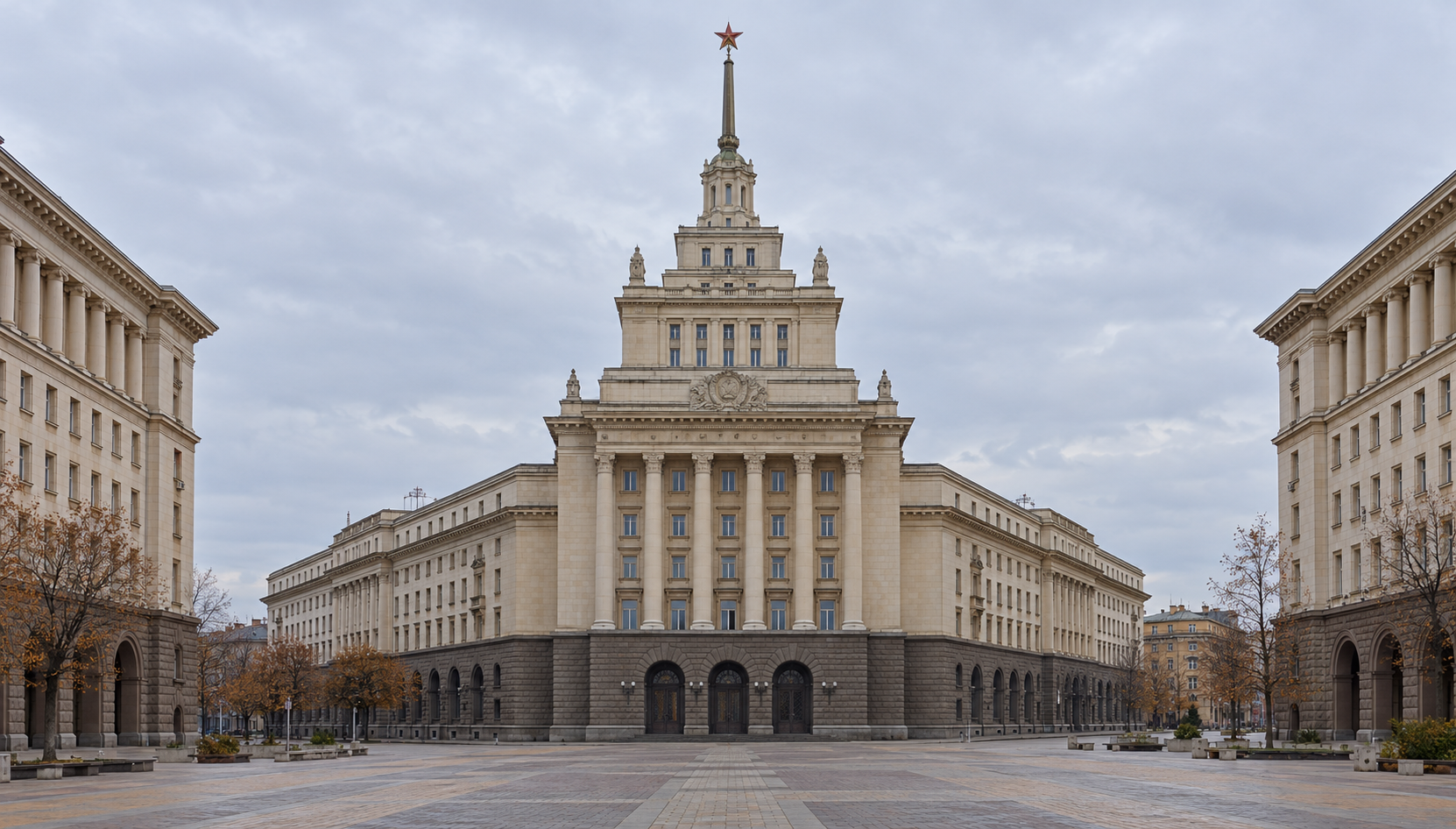
On This Day in Politics: November 10, 1989
On November 10, 1989, the Central Committee of the Bulgarian Communist Party accepted Todor Zhivkov's departure as party leader and chose Petar Mladenov to replace him. The decision in Sofia ended Zhivkov's dominance at the head of the party after more than three decades. It came one day after the opening of the Berlin Wall, as political change spread across Eastern Europe. Bulgaria's leadership change was initially carried out within the ruling organization rather than through a competitive national election. It opened a transition, but did not establish a completed democratic system on the day of the decision.
Zhivkov had led Bulgaria since the 1950s and maintained a close relationship with the Soviet Union. By 1989, economic difficulties, social discontent and the changing international climate were weakening the conditions that had sustained his authority. Policies directed against the country's Turkish minority also produced grave tensions and international criticism. Reform-minded figures within the party challenged the existing leadership. Mladenov, who had served as foreign minister, emerged as a central figure in the replacement. The immediate transfer therefore came from a contest among senior officials, even though pressure for broader political change extended well beyond those officials and the institutions they controlled.
The distinction between party leadership and state office is important. The November 10 plenum replaced Zhivkov as general secretary; the National Assembly removed him as president of the State Council on November 17. Those were separate institutional actions, even though both belonged to the end of his rule. Mladenov succeeded him in the state position as well. Public recognition of the leadership change did not instantly dismantle the party's privileges or produce independent electoral competition. Existing officials continued to direct government, and the question of how far reform would go remained unsettled. The removal changed the political situation without resolving the rules under which the country's future leadership would be chosen.
Opposition organizations and public demonstrations subsequently pushed for changes that went beyond a controlled renovation of Communist rule. The Union of Democratic Forces formed in December, and roundtable negotiations followed as the authorities faced demands for pluralism and free elections. These later stages help explain why November 10 is remembered as the beginning of Bulgaria's transition rather than its completion. The anniversary also cautions against treating the fall of a long-serving leader as identical to the creation of democratic institutions. Replacing Zhivkov opened political space and ended an established center of personal authority; the practical contest over constitutional rules, organized opposition and public accountability continued after his departure.
The decision was made by the Communist Party's Central Committee. It replaced the party leader through existing institutions rather than through a public presidential ballot.
Mladenov had served as foreign minister. His succession initially represented a change within the governing leadership.
The party decision occurred on November 10. Removal from the State Council presidency followed in the National Assembly on November 17.
The leadership change did not immediately repeal the structures that sustained one-party rule. Wider institutional reform remained a political demand.
Opposition groups formed new alliances and pressed for pluralism. Their activity helped turn a leadership replacement into a broader transition.
The later negotiations and elections must be distinguished from the initial plenum. November 10 marks the opening of a process whose outcomes required additional decisions.
Explore more of "On This Day ..."
Discover more events from the same date across news, politics, technology, sports, and other fields. Each link highlights significant moments that shaped history on different fronts.