

On This Day in Politics: December 6, 1917
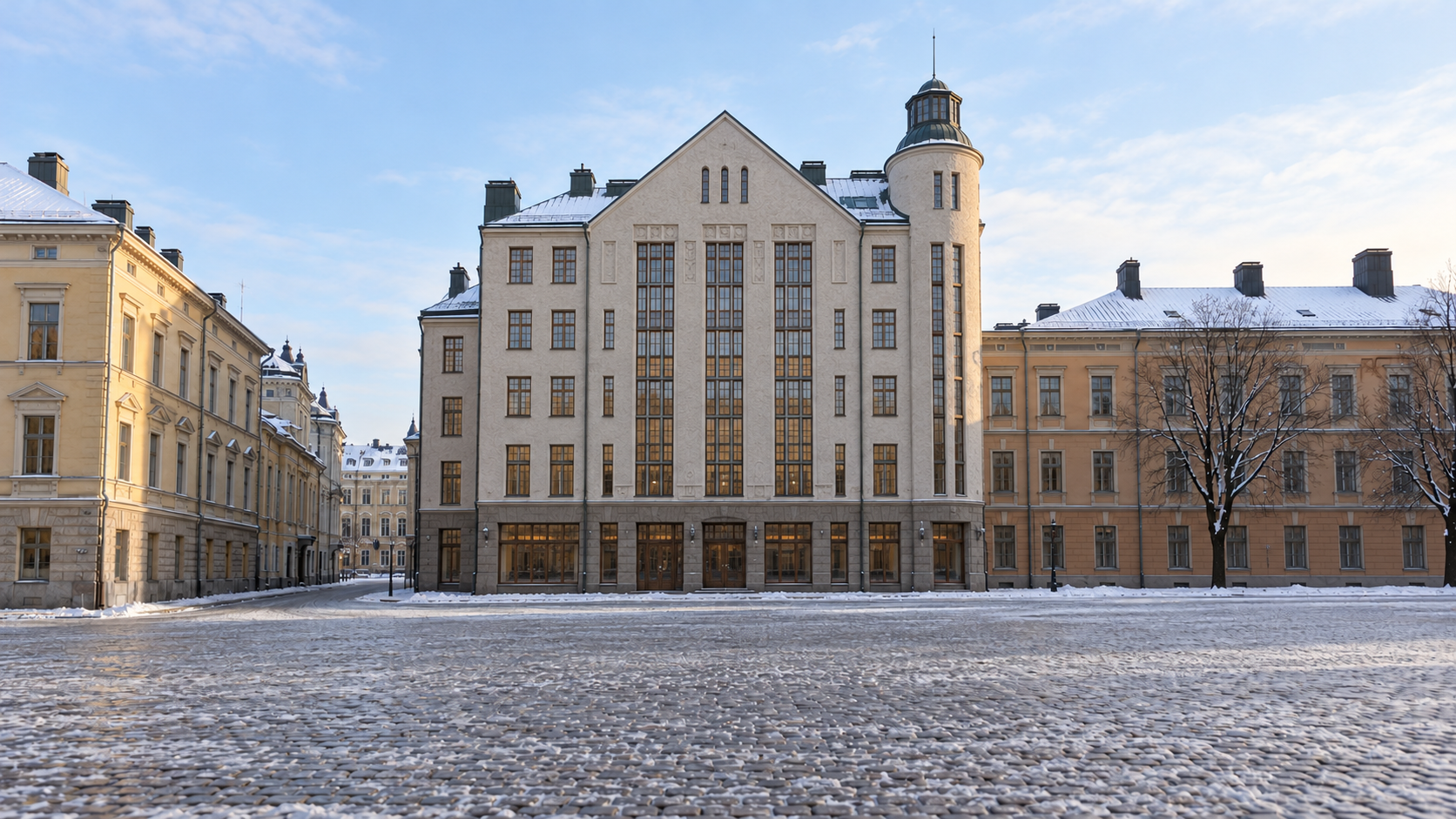
On December 6, 1917, Finland's parliament approved the declaration of independence presented by the Senate, the country's government, two days earlier. Deputies met in Helsinki, where parliamentary sessions were then held in Heimola House. The government led by Pehr Evind Svinhufvud sought to establish Finland as an independent republic after the collapse of imperial authority in Russia. Parliamentary approval gave the independence initiative the endorsement of Finland's elected legislature. The decision is commemorated as Independence Day, although international recognition, the country's eventual republican constitution, and the stabilization of its political institutions still lay ahead. It was a decisive authorization within a transition that remained uncertain.
Finland had been an autonomous grand duchy within the Russian Empire since 1809. Its own administrative institutions and legal traditions gave the independence movement an existing framework on which to build. Parliamentary reform in 1906 had created a single elected chamber with political rights for women as well as men. Yet Finnish institutions operated beneath the authority of the Russian emperor, and attempts to restrict autonomy had intensified political tensions. Russia's revolutions in 1917 transformed that relationship. The fall of the monarchy and then the Bolshevik seizure of power left fundamental questions about sovereignty unresolved. Finnish politicians disagreed over procedure and domestic power even as separation became increasingly urgent.
The Senate brought its declaration before parliament on December 4. Approval on December 6 was therefore a distinct parliamentary step rather than the first drafting of the document. It asserted a Finnish right to manage national affairs independently and linked that ambition to the proposed development of a republican form of government. A declaration by the legislature, however, could not settle every external or internal question. Other governments still had to decide whether to recognize the new state. Political divisions within Finland also remained severe. The country possessed an independence decision and functioning public bodies, but neither those assets nor the formal vote guaranteed a peaceful or straightforward passage into the following year.
Recognition from the Bolshevik government in Russia followed later in December, with further international recognition afterward. Finland then experienced a devastating civil war in 1918, and arguments about the form of the state continued before a republican constitution was adopted in 1919. Those later events should not be compressed into the December vote. The anniversary instead identifies the moment when parliament endorsed an independent national future amid the disintegration of the old imperial order. Its significance rests in that elected authorization and in the institutions that made it possible. Remembering the wider chronology also preserves the difference between declaring a country's sovereignty and successfully establishing the political arrangements through which that sovereignty will be exercised.
Finland's autonomy under Russia had preserved institutions that could become the machinery of an independent state. That background distinguishes the independence vote from the creation of an administration from nothing.
The 1906 parliamentary reform had already changed political representation. Women and men participated in the electoral system before Finland achieved sovereignty.
The Senate presented its declaration on December 4. Parliament's approval on December 6 was a separate action and is the event marked by the national anniversary.
External recognition did not arrive automatically with the vote. Relations with Russia and other governments required additional decisions after parliament acted.
The civil war of 1918 exposed deep divisions that independence had not resolved. It belongs to the subsequent history rather than to the parliamentary proceedings of December 6.
A republican constitution followed in 1919. Keeping these stages separate shows how legal declarations, recognition, and durable institutions contribute differently to statehood.
Explore more of "On This Day ..."
Discover more events from the same date across news, politics, technology, sports, and other fields. Each link highlights significant moments that shaped history on different fronts.