

On This Day in Politics: December 15, 1961
On December 15, 1961, the Jerusalem District Court sentenced Adolf Eichmann to death after finding him guilty of crimes connected with the Holocaust. Eichmann had played a central role in organizing the deportation of Jews under Nazi rule. The sentence followed months of proceedings in which documents and witness testimony established the machinery of persecution and mass murder. Presiding judge Moshe Landau and fellow judges Benjamin Halevy and Yitzhak Raveh heard the case in Jerusalem's Beit Ha'am auditorium, adapted as a courtroom. The date marks the sentencing stage of the trial, rather than its opening, the announcement of every finding, or the later execution of the judgment.
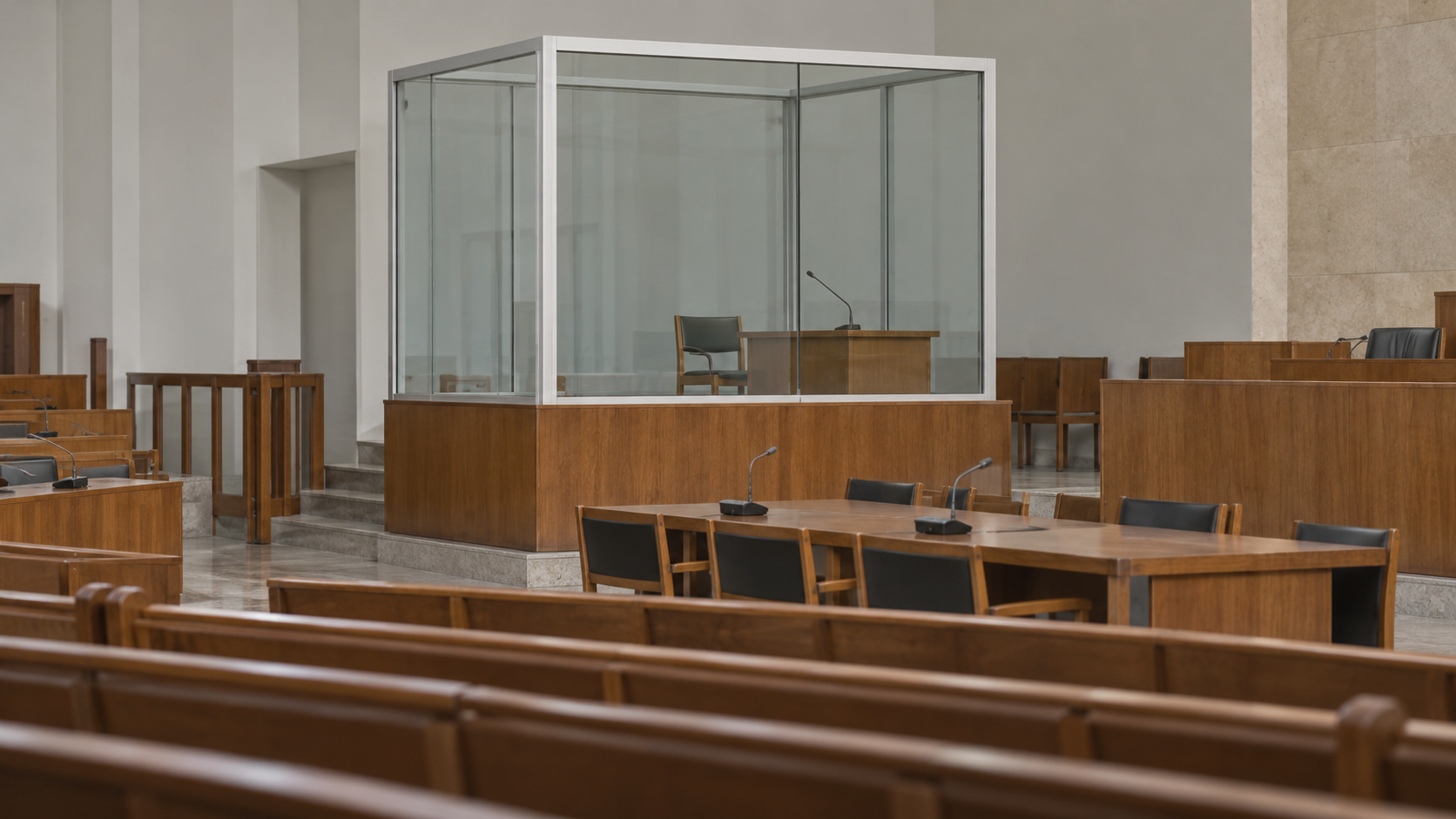
Eichmann had escaped Europe after the Second World War and was living in Argentina when Israeli agents captured him in 1960 and brought him to Israel. His removal created a diplomatic dispute, while the coming trial raised questions about jurisdiction, responsibility, and the prosecution of crimes committed across national borders. Israeli authorities assembled a large body of evidence, drawing on Nazi records, investigation, and survivor accounts. Proceedings began in April 1961 under legislation enacted to punish Nazis and their collaborators. Attorney General Gideon Hausner led the prosecution. Eichmann appeared inside a protective glass enclosure, a feature that became one of the most widely recognized images associated with the courtroom.
The prosecution examined Eichmann's administrative role in the deportation system and the relationship between bureaucratic decisions and the destruction of Jewish communities. Survivors described experiences that made the consequences of those decisions visible to the court and a much wider audience. The defense presented Eichmann as a subordinate carrying out orders, but the judges assessed his individual responsibility within the Nazi apparatus. The proceedings thus involved both extensive historical evidence and a specific criminal determination. The sentence imposed on December 15 concluded the District Court's work on punishment, without immediately ending the legal process. An appeal and requests for clemency remained available, and the final outcome depended on those subsequent decisions.
Israel's Supreme Court later upheld the conviction and sentence, and Eichmann was executed in 1962 after clemency was refused. These later events should be kept separate from the December sentencing anniversary. The trial had an influence extending beyond the fate of one defendant: its public testimony helped bring survivors' experiences into broader discussion and encouraged attention to the Holocaust's human consequences. At the same time, its legal purpose remained the judgment of an individual's actions and responsibility. Remembering the sentencing with that distinction preserves both the historical scale of the crimes and the particular role of evidence, adjudication, and appeal in the prosecution. It was a major episode in postwar efforts to hold Nazi perpetrators accountable.
The proceedings opened in April 1961. December 15 identifies the sentence, while the execution followed in 1962 after further legal review.
Investigators assembled documentary evidence alongside survivor testimony. The case connected administrative decisions with the people affected by deportation and murder.
The judges rejected a defense that displaced responsibility entirely onto orders from superiors. Their task was to determine Eichmann's own criminal responsibility.
Sentencing did not remove the right to appeal. The District Court's judgment was followed by Supreme Court review and consideration of clemency.
Survivors' testimony reached audiences far beyond the courtroom. That public impact became part of the trial's historical legacy.
The scale of the Holocaust and the prosecution of one defendant were related but distinct subjects. The court addressed individual responsibility through a specific evidentiary record.
Explore more of "On This Day ..."
Discover more events from the same date across news, politics, technology, sports, and other fields. Each link highlights significant moments that shaped history on different fronts.