

On This Day in Politics: December 17, 2014
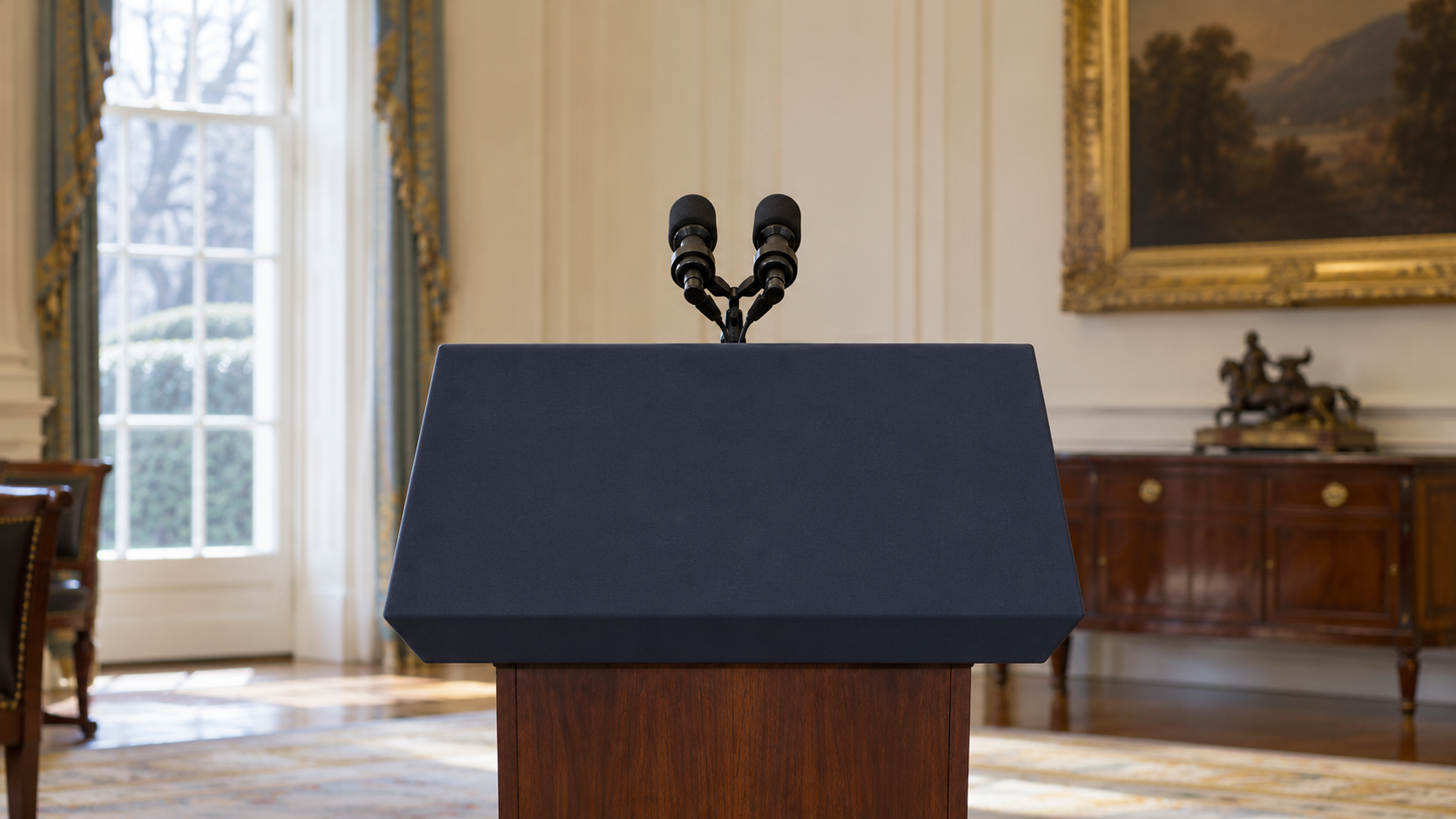
On December 17, 2014, United States President Barack Obama and Cuban President Raúl Castro announced plans to change their countries' long-hostile relationship and begin a process toward normal diplomatic relations. Obama spoke from the White House Cabinet Room, outlining a policy that placed greater emphasis on engagement with Cuba. The announcements followed secret negotiations and were accompanied by the release of American contractor Alan Gross and an exchange involving intelligence prisoners. The change was a major departure from decades of isolation. It began a diplomatic process, however, rather than immediately reopening embassies, ending all sanctions, or resolving the political disagreements separating the two governments.
The United States had broken diplomatic relations with Cuba in January 1961, as the Cuban revolution and the Cold War transformed relations between the neighboring countries. An economic embargo and extensive restrictions on travel and commerce became central features of American policy. The two governments nonetheless maintained limited channels of communication, including interests sections established in the 1970s. Families, migration, property claims, and security concerns linked the countries even during periods of severe hostility. By 2014, the Obama administration argued that isolation had failed to produce the desired political changes in Cuba. Engagement offered a different method of pursuing American interests, although supporters and opponents disagreed sharply about its likely consequences.
The December announcement proposed talks on restoring diplomatic relations and changes within presidential authority concerning travel, remittances, communications, and certain forms of commerce. It also initiated a review of Cuba's designation as a state sponsor of terrorism. These measures were not equivalent to removing the entire embargo, much of which depended on legislation and therefore congressional action. Obama continued to criticize restrictions on political freedom in Cuba, while the Cuban government maintained its own positions on sovereignty and the bilateral relationship. The opening thus combined a willingness to negotiate with continuing disagreements. Assistance from Canada and Pope Francis had helped the confidential process reach the point at which both leaders could make their decisions public.
Formal diplomatic relations resumed on July 20, 2015, when the existing interests sections were elevated to embassy status. That later step demonstrates why the December anniversary should be described as an announcement and the beginning of normalization. The immediate achievement was a negotiated opening after a prolonged impasse, supported by concrete prisoner releases and a commitment to continued discussions. Its wider meaning concerned the choice between isolation and engagement as instruments of foreign policy. The announcement did not guarantee a permanent political settlement or eliminate disputes over rights, compensation, and sanctions. It changed the available diplomatic channels and established a new starting point from which the governments could address those unresolved questions.
The diplomatic break occurred in 1961, while limited interests sections existed from the 1970s. Complete absence of formal relations did not mean that every channel of communication had disappeared.
Canada and Pope Francis assisted the confidential negotiations. Prisoner issues were an essential part of the opening announced by both leaders.
The December 17 announcement began a process toward normalization. Diplomatic relations formally resumed in July 2015.
Presidential changes to regulations could not remove every statutory sanction. Ending the entire embargo required action beyond the executive branch.
The opening supplied new channels for negotiation while leaving major political disagreements unresolved. Engagement did not imply agreement on Cuba's domestic system.
The anniversary records a specific foreign-policy decision. Its consequences must be distinguished from later changes in either country's approach.
Explore more of "On This Day ..."
Discover more events from the same date across news, politics, technology, sports, and other fields. Each link highlights significant moments that shaped history on different fronts.