

On This Day in Politics: December 19, 1984
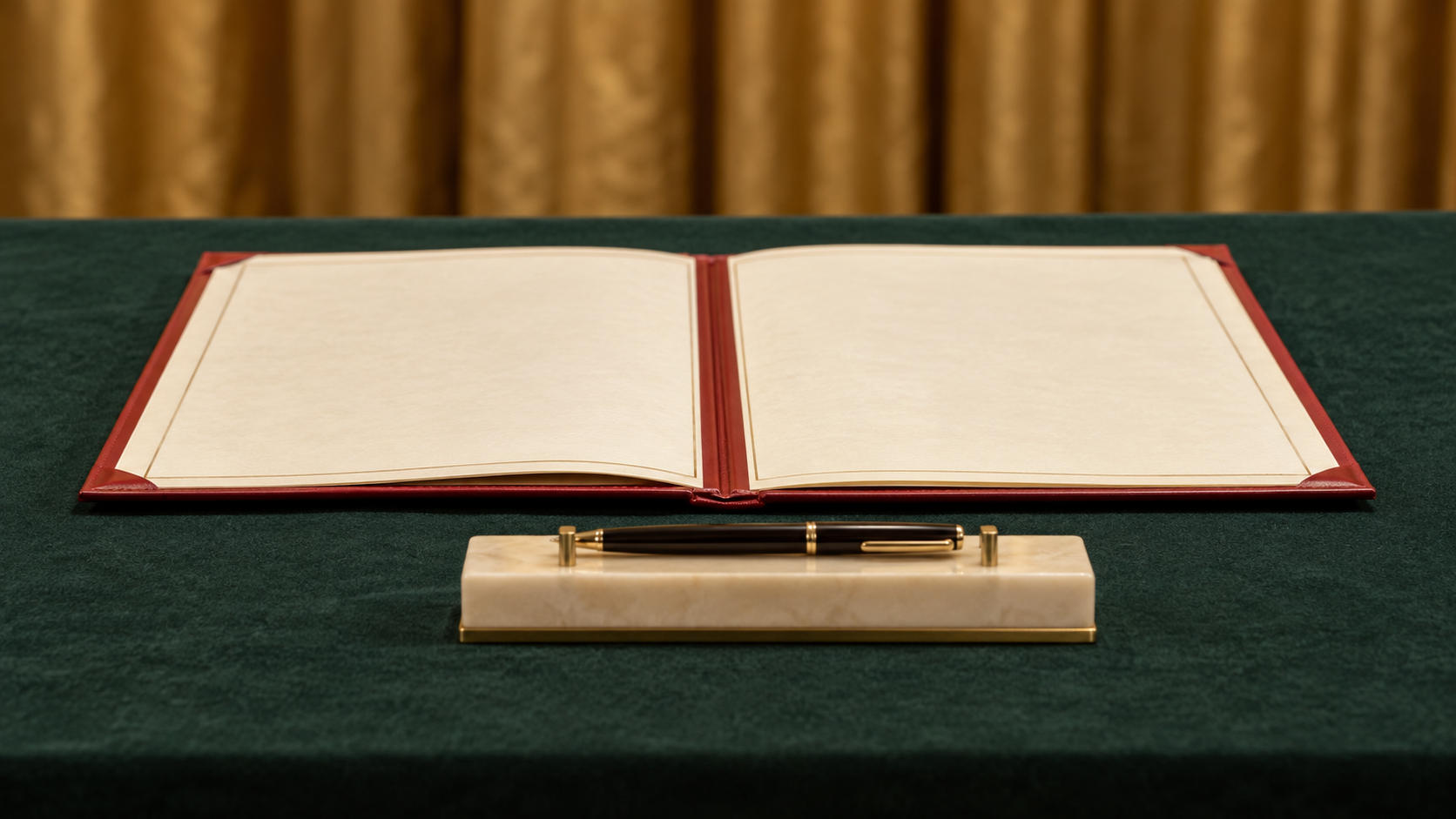
On December 19, 1984, British Prime Minister Margaret Thatcher and Chinese Premier Zhao Ziyang signed the Sino-British Joint Declaration in Beijing. The agreement set out the arrangements for the transfer of Hong Kong to Chinese sovereignty on July 1, 1997, and described policies intended to govern the territory afterward. It was the formal result of negotiations over the future of Hong Kong Island, Kowloon, and the New Territories. The signing established an agreed framework between the two governments, while Britain continued to administer Hong Kong during the transition. It did not transfer sovereignty on the day of signature, nor did it complete every legal and administrative measure needed for 1997.
Hong Kong's future was shaped by the different nineteenth-century arrangements under which Britain had obtained control of its component territories. The New Territories lease was due to expire in 1997, creating a practical deadline for resolving the wider question. China's government sought the resumption of sovereignty, while the British government negotiated over continuity, stability, and the territory's future institutions. Hong Kong was a major commercial and financial center, and uncertainty affected residents, businesses, and international interests. The negotiations therefore concerned both national authority and the operation of an established legal and economic system. The resulting declaration attempted to describe how these concerns would be addressed within a Chinese Special Administrative Region.
The text provided for a high degree of autonomy except in foreign and defense affairs, which would be the responsibility of the central government. It also set out commitments concerning the existing social and economic systems, rights and freedoms, judicial authority, currency, public finances, and Hong Kong's role as a separate customs territory. The policies were to be stipulated in a Basic Law and remain unchanged for fifty years. Additional annexes addressed the elaboration of those policies, a joint liaison mechanism, and land leases. These provisions made the declaration more than a statement of the transfer date. It was a detailed negotiated framework for the transition and the promised institutional character of the territory afterward.
The agreement entered into force after ratification in 1985 and was registered with the United Nations. The actual handover followed in 1997, more than twelve years after the signing ceremony. Keeping those stages distinct makes the December anniversary precise: it marks the diplomatic conclusion of the agreement, rather than its entry into force or implementation. The declaration became a central reference point in Hong Kong's constitutional history and in later arguments about the meaning of its commitments. Its significance lies in the attempt to reconcile a change in sovereignty with the continuation of established systems and freedoms. Whether and how those commitments were carried out became questions for the decades that followed.
The New Territories lease created a 1997 deadline. The negotiations addressed the future of Hong Kong as a whole rather than only one part of the territory.
The December 1984 signature was followed by ratification in 1985 and the handover in 1997. These dates describe different legal and political stages.
The declaration described a Special Administrative Region with autonomy in specified areas. Foreign and defense affairs were reserved to the central government.
The text covered economic systems, rights, courts, and finances, while annexes addressed implementation and land leases. Its scope went well beyond naming a transfer date.
The Basic Law was the constitutional instrument intended to embody the declared policies. Further legal work was required after signature.
The agreement became an enduring reference in disputes about Hong Kong's institutions and freedoms. Its original commitments must be distinguished from later arguments about their implementation.
Explore more of "On This Day ..."
Discover more events from the same date across news, politics, technology, sports, and other fields. Each link highlights significant moments that shaped history on different fronts.