

On This Day in Politics: December 24, 1951
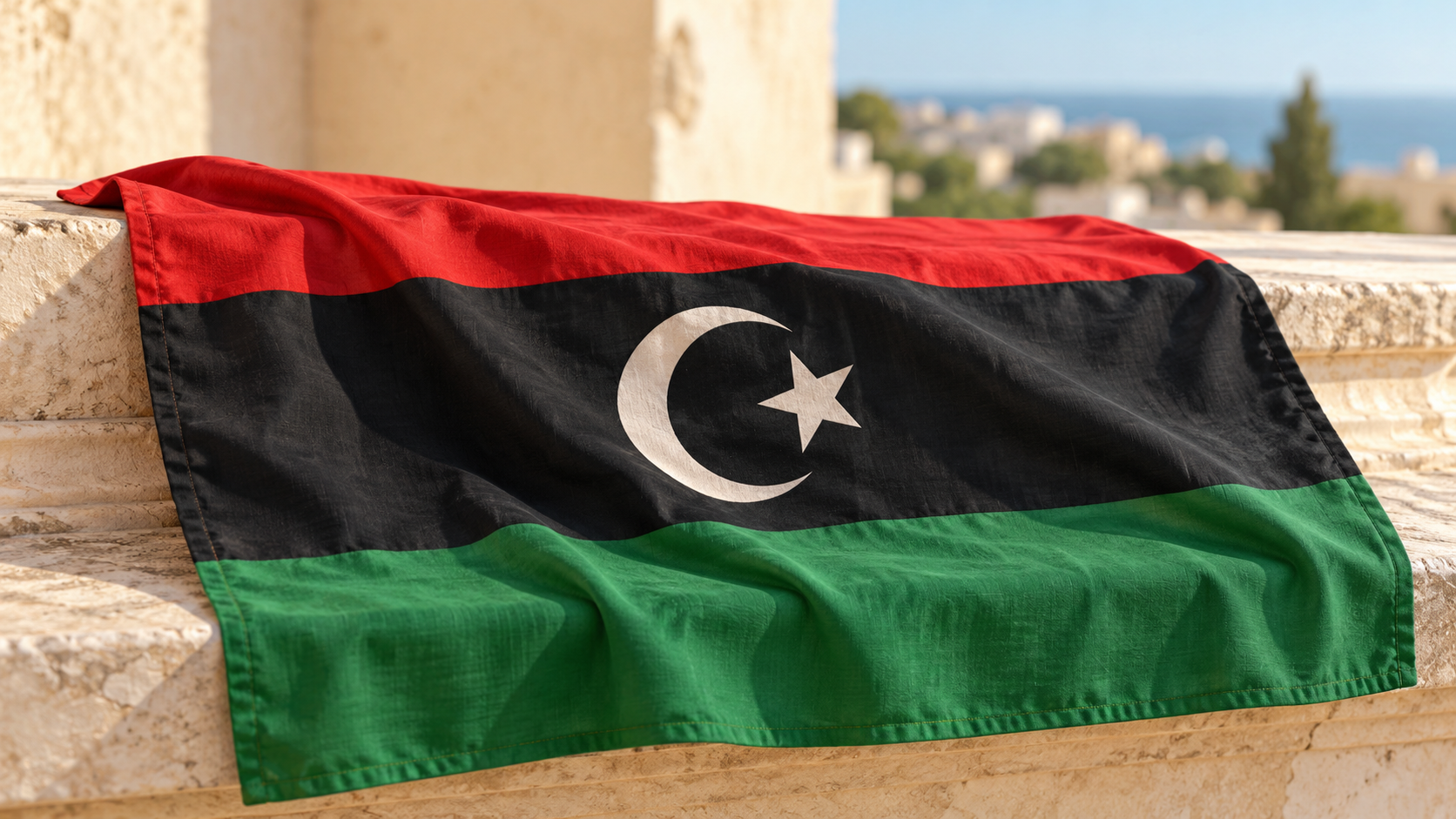
On December 24, 1951, Libya proclaimed its independence as the United Kingdom of Libya under King Idris I. The announcement followed a United Nations-assisted transition that brought together Tripolitania, Cyrenaica, and Fezzan within a sovereign federal state. Idris made the formal proclamation in Benghazi, and foreign governments began recognizing the new kingdom. The transfer ended the postwar administrative responsibilities exercised by Britain and France in the former Italian colony. It was the culmination of negotiations, constitutional work, and the gradual transfer of governmental powers. The date marks the establishment of independent statehood, rather than the earlier end of Italian claims or Libya's later admission to the United Nations.
Italy's colonial rule had followed its war against the Ottoman Empire in the early twentieth century and met sustained resistance within Libya. The Second World War changed control of the territory, with British and French forces administering different areas after the defeat of Italian and German forces. Italy renounced its rights under the postwar peace settlement, but the future political arrangement remained to be decided. International proposals competed with demands for independence and with the distinct circumstances of the three regions. The United Nations General Assembly eventually recommended that Libya become independent before January 1, 1952. A commissioner and an advisory council assisted the process leading toward that deadline.
Representatives assembled to determine a constitution and organize the institutions of the future state. The settlement established a hereditary monarchy with a federal structure, reflecting the need to bring the regions into a common framework. The constitution defined the kingdom, described public institutions, and set out provisions concerning citizenship and rights. Administrative powers were transferred to the provisional Libyan government as the independence date approached. These preparations gave practical meaning to the proclamation: the new government needed responsibility for public affairs as well as recognition of a sovereign title. The combination of internal constitutional decisions and international supervision distinguished the transition from a simple bilateral declaration between a colonial power and one successor administration.
The United States recognized Libya on the day of independence, and other diplomatic relationships developed around the new kingdom. Membership of the United Nations came later, in 1955, showing that recognition, sovereignty, and admission to an international organization were separate steps. Independence also left the country facing substantial questions about resources, administration, regional relations, and economic development. Those issues would shape its subsequent history but were not settled by the proclamation itself. The anniversary records a major achievement in postwar decolonization and an important episode in the United Nations' early work. Its meaning lies in the creation of a sovereign Libyan state through a process that combined national institution-building with international diplomatic agreement.
The three regions had distinct administrative and political circumstances. The original kingdom's federal structure reflected the challenge of establishing a common state.
Italy's renunciation of colonial claims preceded independence. British and French postwar administration continued during the transition.
The United Nations set a deadline before January 1952 and assisted constitutional and administrative preparation. Libya's own representatives made essential decisions about the future state.
Recognition began on December 24, 1951. United Nations membership followed in 1955, rather than occurring automatically on independence day.
Sovereignty transferred responsibility for public affairs to Libyan institutions. Building administrative capacity and managing development remained continuing tasks.
The independence settlement belongs to the wider history of decolonization after the Second World War. Its specific monarchy and federal arrangements should be distinguished from later regimes.
Explore more of "On This Day ..."
Discover more events from the same date across news, politics, technology, sports, and other fields. Each link highlights significant moments that shaped history on different fronts.