

On This Day in Politics: December 26, 2004
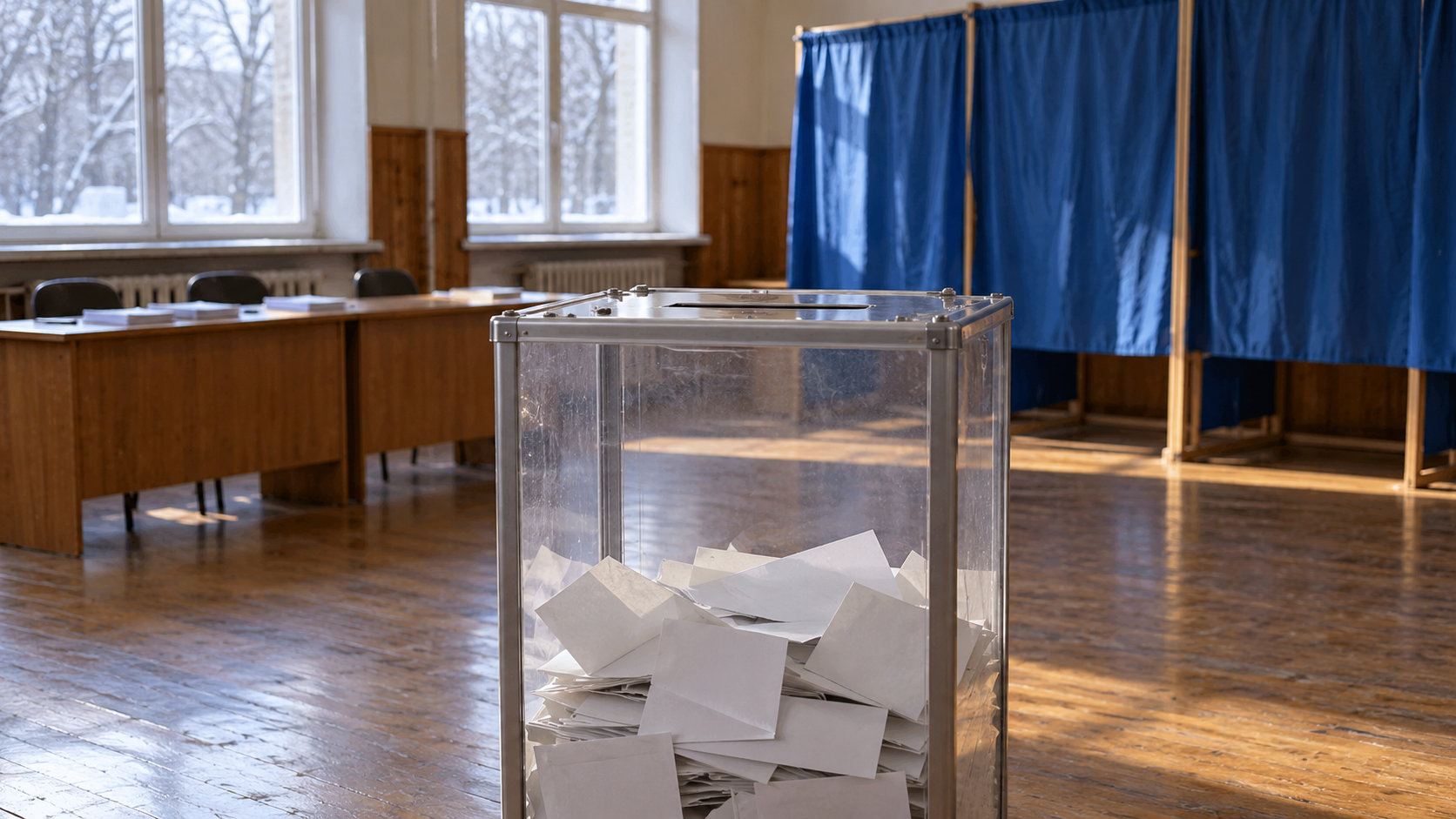
On December 26, 2004, Ukrainian voters returned to polling stations for a repeat of the presidential election's second round. The contest again placed opposition candidate Viktor Yushchenko against Prime Minister Viktor Yanukovych, following the Supreme Court's decision to invalidate the disputed November 21 runoff. The new vote became the decisive electoral stage of the crisis associated with the Orange Revolution. Yushchenko emerged as the eventual winner, although counting, certification, and legal challenges continued after polling day. The anniversary therefore marks the rerun itself, rather than the start of the protests, a same-day inauguration, or an immediate conclusion to every dispute over the country's political direction.
The earlier rounds had produced serious allegations of abuse and unequal competition. Official results from the November runoff favored Yanukovych, while opposition supporters challenged the count and gathered in large demonstrations. International observers also identified major failures in the electoral process. The dispute moved through both public protest and legal institutions, with the Supreme Court ordering a repeat second round rather than accepting the existing result. That distinction mattered: the remedy required another nationwide vote between the same two candidates. It gave citizens a further opportunity to express their choice under revised conditions instead of allowing the presidential succession to be determined solely by the contested November count.
The campaign and polling arrangements changed before the December rerun. International observers reported more balanced media coverage, fewer instances of pressure on voters, and greater transparency in election administration. A large observation mission assessed the vote and issued its preliminary conclusions the following day. Those findings described substantial improvement, while also noting remaining problems, including errors in voter lists and difficulties affecting some people who needed assistance to vote. The observers did not claim that every administrative weakness had disappeared. The importance of the rerun lay partly in the comparison with the previous rounds: changes in procedures and political conditions made the process more credible and the public presentation of results more transparent.
The vote ultimately led to Yushchenko's presidency in 2005 and closed one phase of the struggle over the 2004 succession. It did not erase regional divisions, establish agreement on every policy question, or guarantee the future performance of political institutions. Its immediate significance was narrower and still substantial: a disputed election result was set aside through judicial action and replaced by another opportunity to vote. The event illustrates how courts, election administrators, observers, journalists, and organized citizens can affect the credibility of a political contest. Remembering December 26 as the repeat runoff preserves the specific electoral achievement within the much broader history of Ukraine's political development.
The November 21 runoff and December 26 repeat were separate votes between the same candidates. The Supreme Court's intervention created the legal basis for the rerun.
The Orange Revolution began before the repeat vote. Demonstrations formed part of the context rather than the event first occurring on December 26.
Observers reported more balanced coverage and greater administrative transparency. Their assessment compared the rerun with the flawed earlier rounds.
Voter-list errors and other shortcomings remained. Improved compliance did not mean that every procedural problem had been eliminated.
The result led to Yushchenko's presidency in 2005 after further counting and legal stages. Polling day was not the inauguration date.
The rerun's significance rests in the replacement of a discredited result through another electoral process. Later political outcomes were not predetermined by that achievement.
Explore more of "On This Day ..."
Discover more events from the same date across news, politics, technology, sports, and other fields. Each link highlights significant moments that shaped history on different fronts.