

On This Day in Politics: December 28, 1836
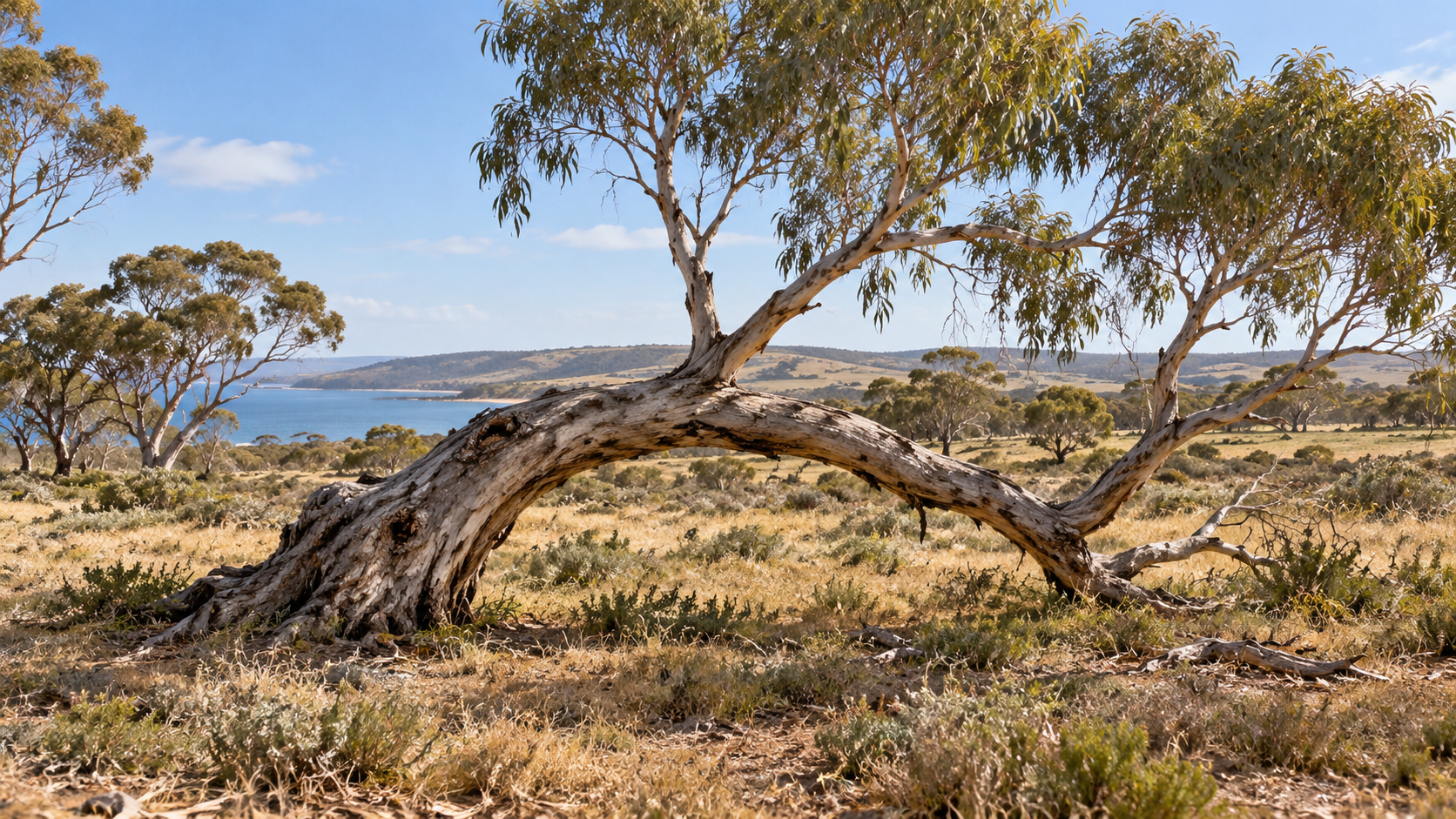
On December 28, 1836, South Australia's first vice-regal proclamation was read to assembled colonists at Holdfast Bay, near present-day Glenelg. Governor John Hindmarsh had arrived that day, and his private secretary George Stevenson read the proclamation announcing the establishment of the colonial government. The gathering became associated with the Old Gum Tree and the anniversary later commemorated as Proclamation Day. The document called for lawful conduct among settlers and promised legal protection for Aboriginal people. It did not create the province for the first time: British legislation and Letters Patent issued earlier had already supplied the formal basis for the colonial project and its government.
The distinction between legal creation and local announcement is essential to the chronology. Parliament passed the South Australia Act in 1834, and Letters Patent established the province in February 1836. Ships carrying colonists then made the journey to southern Australia, bringing officials, supplies, and plans for settlement. Hindmarsh's arrival and the reading of commissions made the colonial administration visible to the people gathering at Holdfast Bay. The proclamation addressed how the settlers were expected to conduct themselves under that authority. It was a practical announcement within an already authorized colonizing enterprise, rather than a declaration of Australian national independence or the beginning of human occupation in the region.
The text combined instructions about order and respect for law with a commitment to punish violence or injustice against Aboriginal inhabitants. It placed those inhabitants within the governor's stated protection as British subjects. The language also reflected the paternalistic and religious assumptions of the colonial authorities, including expectations about cultural change and conversion. These promises must be assessed alongside the reality that the government was being established on Indigenous country. Formal protection did not amount to Indigenous consent to colonization, nor did it prevent the dispossession and unequal power that accompanied settlement. The proclamation is therefore evidence both of declared official intentions and of the framework through which a colonial administration claimed authority.
Robert Thomas printed the proclamation using the Stanhope press brought to South Australia, helping turn the announcement into a public documentary record. Commemoration of the reading developed later, and the Old Gum Tree became a lasting symbol of the occasion. The anniversary's meaning is clearer when the ceremony, the earlier legal instruments, and the consequences of colonization are kept distinct. It records the local inauguration of colonial governmental authority and the standards that authority publicly professed. Its broader historical value lies in the comparison between those promises and subsequent experience, particularly for Aboriginal communities whose rights the document said would be protected. The reading remains an important event without being mistaken for the province's original legal creation.
The South Australia Act and Letters Patent preceded the December ceremony. The proclamation announced government locally rather than creating the province from nothing.
George Stevenson read the text issued under Governor Hindmarsh's authority. Distinguishing the reader from the governor makes the event more precise.
The proclamation called for lawful settler conduct and protection of Aboriginal inhabitants. Its stated commitments did not establish that those protections were fulfilled.
Colonial authority was asserted on Indigenous country. Legal language about protection did not supply Indigenous consent or prevent dispossession.
The document was printed on the Stanhope press brought to the colony. Printing helped preserve and circulate the proclamation beyond its oral reading.
Later commemorations made the Old Gum Tree an enduring symbol. The original ceremony, its legal background, and its contested legacy remain different subjects.
Explore more of "On This Day ..."
Discover more events from the same date across news, politics, technology, sports, and other fields. Each link highlights significant moments that shaped history on different fronts.