

On This Day in Pop: February 6, 1965
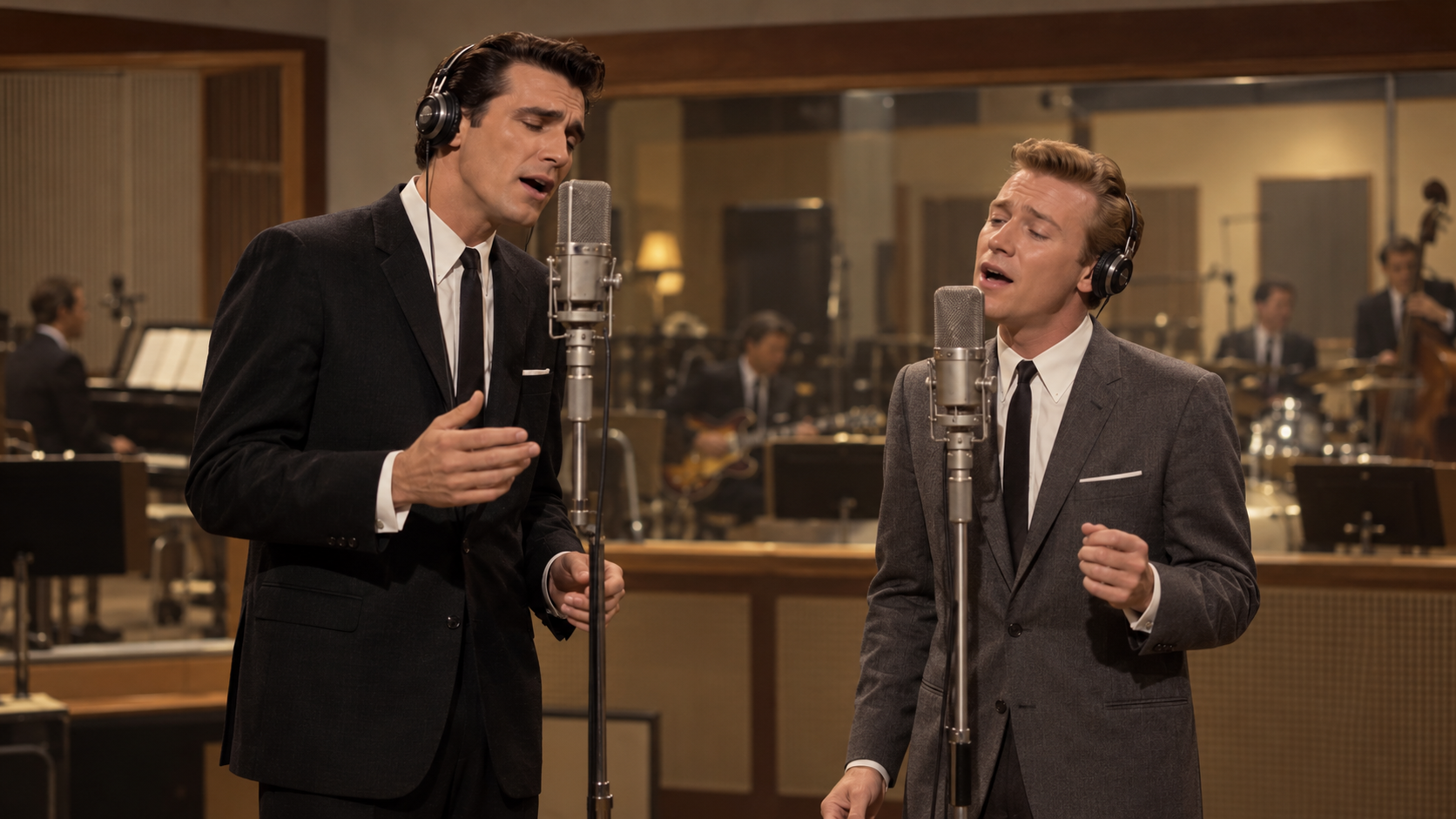
On February 6, 1965, the Righteous Brothers reached No. 1 on the Billboard Hot 100 with “You’ve Lost That Lovin’ Feelin’.” Written by Barry Mann, Cynthia Weil and producer Phil Spector, the record begins with Bill Medley’s dark baritone at a tempo that felt unusually deliberate for a radio single. Bobby Hatfield joins as the arrangement grows, turning a private plea into a towering duet. The contrast between intimate voices and a densely layered studio backdrop supplied the song’s central emotional force. Viewed in its own time, the occasion was more than a neat calendar marker. It sat where entertainment, technology, publicity and public appetite met, and each of those forces helped determine who encountered it and what they made of it. Remembering the setting keeps the story grounded in decisions made by artists, producers, distributors and audiences rather than turning a complicated cultural shift into a single flash of inevitability.
Spector’s production expanded his Wall of Sound method with multiple instruments, echo and accumulating vocal intensity. The result challenged practical expectations: its long running time worried some programmers, and its slow opening did not announce itself like a conventional uptempo hit. Yet the performance kept building toward release, giving listeners a reason to stay. Radio play and sales carried it to the top in the United States, while strong international reception showed that its theatrical approach crossed markets. The response also shows how popular culture accumulates momentum. A performance, release or institutional choice can feel self-contained on the day it happens, yet its meaning expands through reviews, broadcasts, sales, conversation and imitation. Those channels do not affect every person in the same way, but together they can turn a dated event into a shared reference point, one that later work either follows, revises or pushes against.
The record’s influence lies partly in its construction. Medley and Hatfield do not simply sing the same part together; their voices enter at different registers and moments, making the arrangement feel like an argument becoming a shared confession. Countless performers have covered the song, and film and television placements have introduced it to audiences far removed from 1965. Its familiarity should not obscure the boldness of the original choices: restraint at the start, enormous scale at the finish and a carefully controlled tension between solo vulnerability and duet power. That longer view is why the date remains useful. It provides a precise doorway into changes that unfolded unevenly and involved many contributors, including people whose labor was less visible than the headline names. The surviving recordings, films, photographs and documents let new audiences reconsider both the achievement and its limits. Pop history is strongest when celebration is paired with context, and this anniversary offers room for both.
“You’ve Lost That Lovin’ Feelin’” topped the Billboard Hot 100 dated February 6, 1965.
The setting and sequence matter because they show how the Righteous Brothers’ No. 1 ballad reached the public on this particular date.
Bill Medley’s low opening vocal, Bobby Hatfield’s later entrance and Phil Spector’s dense production gave the ballad an unusually dramatic shape.
The first response came through the era’s available channels, from press and broadcast coverage to ticket buyers, listeners or viewers.
The recording became a pop and soul standard whose vocal architecture has been studied, covered and revived for decades.
Its reputation has continued to develop through preservation, scholarship, revival and the interpretations of later audiences.
Explore more of "On This Day ..."
Discover more events from the same date across news, politics, technology, sports, and other fields. Each link highlights significant moments that shaped history on different fronts.