

On This Day in Pop: February 22, 1989
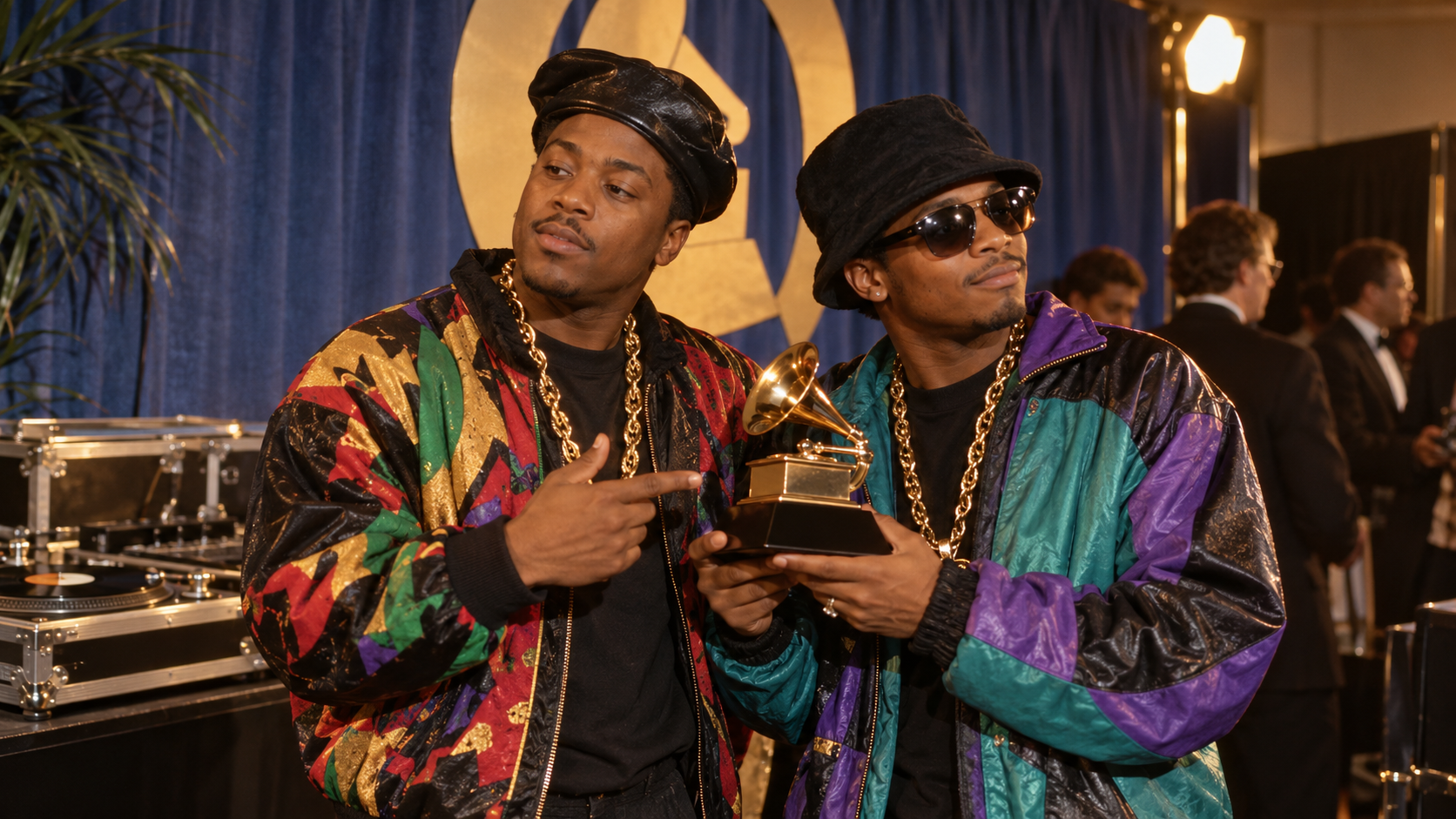
On February 22, 1989, the Grammy Awards recognized rap for the first time with a dedicated Best Rap Performance category. DJ Jazzy Jeff & the Fresh Prince won for “Parents Just Don’t Understand,” a comic narrative about teenage frustration, shopping and family rules. The award acknowledged a genre that had grown through parties, independent labels, clubs, touring, radio and a rapidly expanding record market. It also placed a specific, accessible hit at the threshold of institutional recognition. Viewed in its own time, the occasion was more than a neat calendar marker. It sat where entertainment, technology, publicity and public appetite met, and each of those forces helped determine who encountered it and what they made of it. Remembering the setting keeps the story grounded in decisions made by artists, producers, distributors and audiences rather than turning a complicated cultural shift into a single flash of inevitability.
The milestone arrived with a conspicuous limitation: the rap award was not scheduled for the televised portion of the ceremony. DJ Jazzy Jeff & the Fresh Prince joined other artists in boycotting the broadcast, arguing that recognition without airtime treated hip-hop as less worthy of the national stage. The protest highlighted a recurring industry pattern in which a new category could celebrate commercial success while controlling visibility. That contradiction became part of the evening’s history as surely as the winner itself. The response also shows how popular culture accumulates momentum. A performance, release or institutional choice can feel self-contained on the day it happens, yet its meaning expands through reviews, broadcasts, sales, conversation and imitation. Those channels do not affect every person in the same way, but together they can turn a dated event into a shared reference point, one that later work either follows, revises or pushes against.
Rap categories multiplied in later years, and hip-hop artists eventually occupied central positions in Grammy broadcasts, though debates about nominations, genre boundaries and major awards have never disappeared. The 1989 prize remains important because it records an institution adjusting to a cultural force it could no longer ignore. It also reminds audiences that inclusion is not a single completed act. The winners’ refusal to accept a secondary presentation quietly helped define the standard they wanted: not a symbolic corner, but full participation in how popular music was publicly honored. That longer view is why the date remains useful. It provides a precise doorway into changes that unfolded unevenly and involved many contributors, including people whose labor was less visible than the headline names. The surviving recordings, films, photographs and documents let new audiences reconsider both the achievement and its limits. Pop history is strongest when celebration is paired with context, and this anniversary offers room for both.
At the Grammy Awards on February 22, 1989, DJ Jazzy Jeff & the Fresh Prince won the inaugural Best Rap Performance category.
The setting and sequence matter because they show how the first Grammy Award for rap performance reached the public on this particular date.
The win recognized “Parents Just Don’t Understand,” but the award was not included in the televised ceremony, prompting a prominent boycott.
The first response came through the era’s available channels, from press and broadcast coverage to ticket buyers, listeners or viewers.
The milestone captured both hip-hop’s growing mainstream power and the music industry’s reluctance to give the genre equal visibility.
Its reputation has continued to develop through preservation, scholarship, revival and the interpretations of later audiences.
Explore more of "On This Day ..."
Discover more events from the same date across news, politics, technology, sports, and other fields. Each link highlights significant moments that shaped history on different fronts.