

On This Day in Pop: March 14, 1972
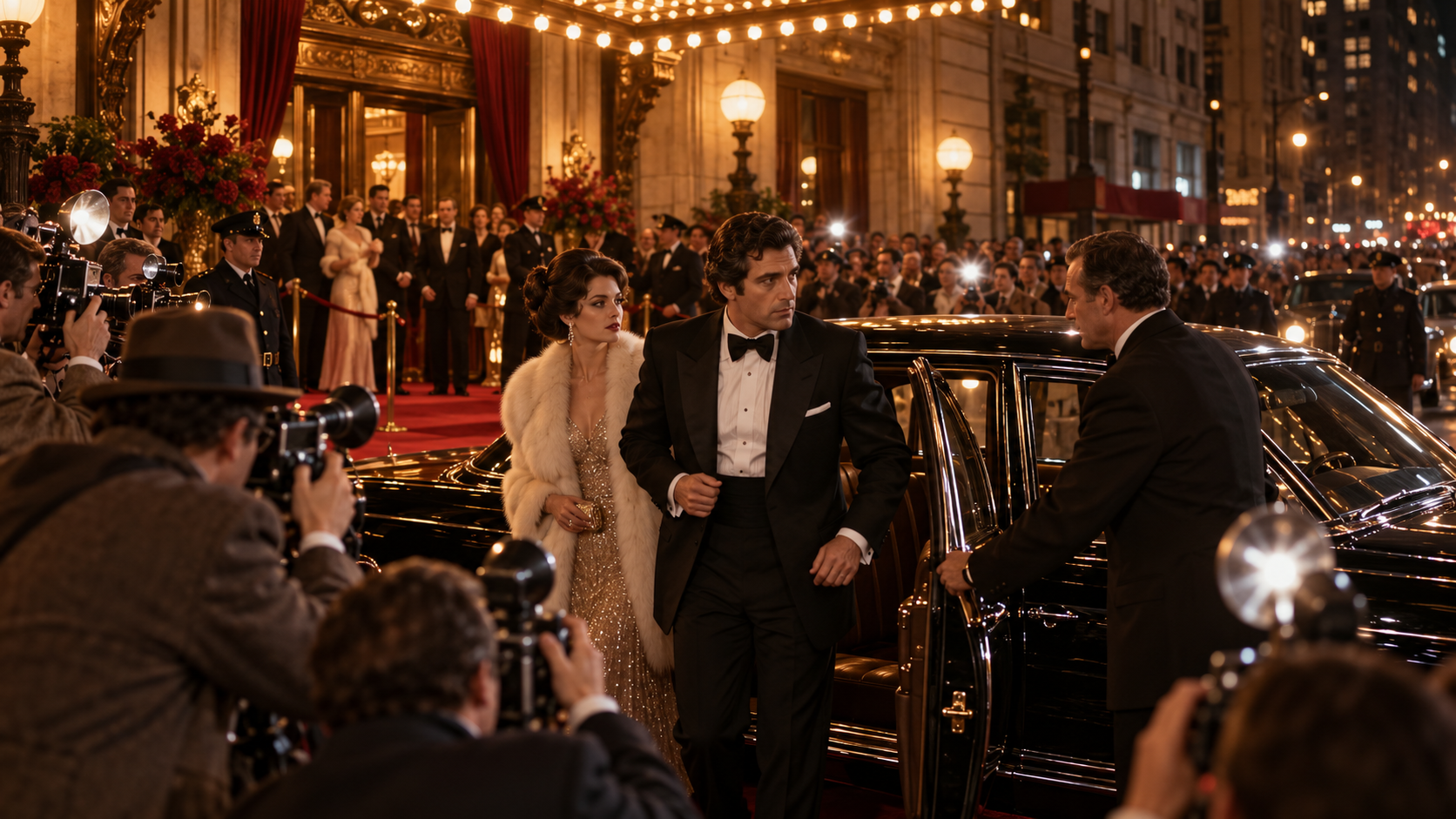
On March 14, 1972, The Godfather held its world premiere in New York. Francis Ford Coppola’s adaptation of Mario Puzo’s novel starred Marlon Brando as Vito Corleone and Al Pacino as Michael, the son drawn into family power and violence. Paramount had viewed the project with anxiety, but Coppola and cinematographer Gordon Willis created a deliberate, shadowed epic that treated organized crime as a story about business, inheritance and American identity. Seen in its own time, the occasion was more than a tidy calendar entry. It emerged from choices by performers, writers, technicians, executives and audiences, each working within the opportunities and constraints of the period. Restoring that setting keeps the story human and specific instead of treating a complicated cultural shift as inevitable.
The premiere introduced audiences to performances and images that quickly entered common language: the dark office during a bright wedding, the offer that cannot be refused, Michael’s quiet transformation and Nino Rota’s mournful music. The film’s controlled pace and moral ambiguity differed from a simple gangster adventure. It made viewers intimate with the Corleones without asking them to ignore the damage the family causes, a tension central to its power. The reaction also shows how popular culture gathers momentum. A premiere, broadcast, release or public appearance can feel self-contained on the day, yet its meaning expands through reviews, radio, television, sales, conversation and imitation. Those channels reach people unevenly, but together they can turn one event into a reference point that later work follows, revises or rejects.
The Godfather became a box-office phenomenon, won Best Picture and launched a trilogy whose second installment would also receive the top Oscar. Its influence spread through filmmaking, television, advertising and parody, sometimes reinforcing stereotypes about Italian Americans even as many artists admired its craft. The New York premiere marks the public arrival of a work that permanently altered crime storytelling and the prestige ambitions of studio cinema. That longer view is why the date still matters. It opens a door onto changes involving many contributors, including people whose labor was less visible than the headline names. Recordings, films, photographs and documents allow later audiences to reconsider both the achievement and its limits. Pop history is strongest when celebration is paired with context, and this anniversary leaves room for both. Its afterlife also shows that cultural memory is active: anniversaries, restorations, reissues and fresh criticism keep changing which details receive attention and which assumptions are questioned. Looking back does not mean pretending everyone experienced the moment alike; it means noticing the distance between a public milestone, the industry around it and the private reactions beyond the spotlight.
The adaptation premiered in New York before opening there the next day and expanding into a major national release.
The setting and sequence matter because they show how The Godfather’s world premiere reached the public on this particular date.
Audiences responded to its performances, shadowed visual style and intimate treatment of power, family loyalty and moral decline.
The immediate response traveled through the era’s available channels, from press and broadcast coverage to ticket buyers, listeners and viewers.
The film won Best Picture, launched an acclaimed trilogy and became a durable template for American crime drama.
Its reputation has kept developing through preservation, scholarship, revival and the interpretations of later audiences.
Explore more of "On This Day ..."
Discover more events from the same date across news, politics, technology, sports, and other fields. Each link highlights significant moments that shaped history on different fronts.