

On This Day in Pop: April 24, 1976
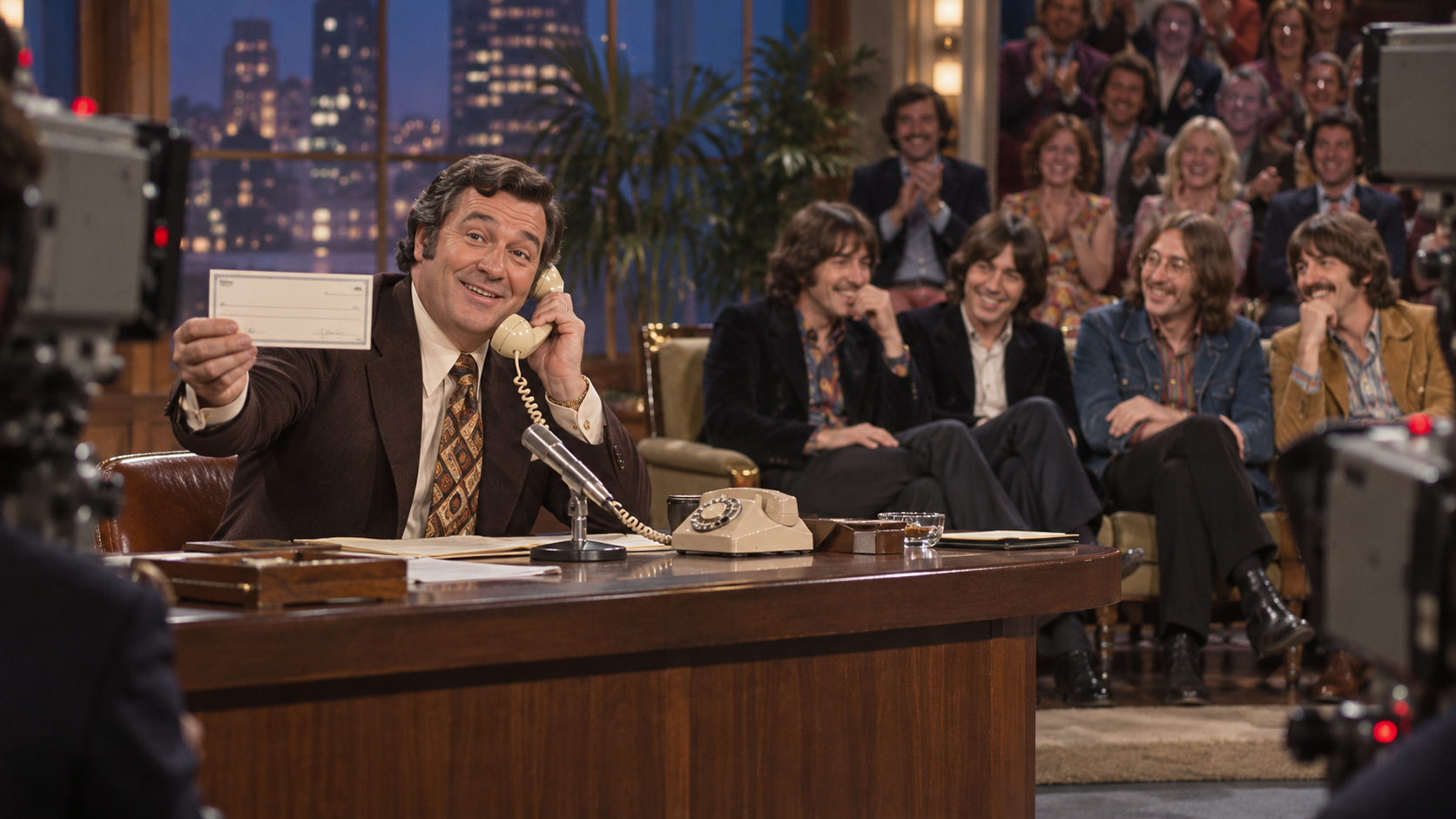
On April 24, 1976, Lorne Michaels jokingly offered the Beatles three thousand dollars to reunite on Saturday Night Live. Saturday Night Live producer Lorne Michaels looked into the camera and offered the Beatles a certified check for three thousand dollars if all four would reunite on the show. The deliberately tiny fee turned the longing for a reunion into a deadpan piece of live television. Seen in the setting of its own year, the milestone was not inevitable. It depended on creative risks, business decisions, technical labor and an audience ready to respond. Reconstructing those conditions makes the anniversary more useful than a simple list of dates: it shows how popular culture is assembled by people, institutions and technologies, often before anyone can know which experiment will last.
The Beatles had been separated for six years, but rumors and requests for a reunion never stopped. SNL was still young and defined by its ability to make the machinery of television part of the joke, so Michaels framed network economics, nostalgia and celebrity desire in one simple monologue. The immediate response matters because cultural influence rarely moves in a straight line. Reviews, broadcasts, ticket sales, radio play, word of mouth and later reissues can magnify a moment, while geography, cost and access determine who encounters it first. What seems universally remembered now may have reached its original public unevenly. That gap between launch and legend helps explain both the excitement surrounding the event and the limits built into its first reception.
John Lennon and Paul McCartney later recalled that they were watching together in New York and briefly considered taking a cab to the studio. They did not go, but the near miss became part of the sketch’s legend and an example of how live television gains power from the possibility that anything might happen. Looking back also reveals the workers beyond the headline names: writers, musicians, designers, technicians, editors, publicists and exhibitors who turned an idea into a shared experience. Archives, recordings and surviving eyewitness accounts let later audiences recover some of that labor and question the myths that accumulate around success. The date remains worth revisiting because its meaning did not stop at midnight. Adaptations, reruns, revivals, criticism and fan memory kept changing how the episode was understood. Pop history is strongest when celebration is paired with context, giving the achievement its due while leaving room to ask who benefited, who was overlooked and why the story still feels alive. The richest anniversaries therefore work on two levels at once: they preserve the thrill of the original moment and trace the slower process by which memory selects certain images, phrases and personalities. That balance keeps commemoration from becoming either simple nostalgia or simple correction.
The Beatles had been separated for six years, but rumors and requests for a reunion never stopped. SNL was still young and defined by its ability to make the machinery of television part of the joke, so Michaels framed network economics, nostalgia and celebrity desire in one simple monologue.
The event also reflected the institutions, technologies and audience habits of its era.
Saturday Night Live producer Lorne Michaels looked into the camera and offered the Beatles a certified check for three thousand dollars if all four would reunite on the show. The deliberately tiny fee turned the longing for a reunion into a deadpan piece of live television.
Contemporary response was uneven, reminding us that later fame can flatten the complexity of a first reception.
John Lennon and Paul McCartney later recalled that they were watching together in New York and briefly considered taking a cab to the studio. They did not go, but the near miss became part of the sketch's legend and an example of how live television gains power from the possibility that anything might happen.
Its afterlife continues through archives, reissues, adaptation, criticism and fan memory.
Explore more of "On This Day ..."
Discover more events from the same date across news, politics, technology, sports, and other fields. Each link highlights significant moments that shaped history on different fronts.