

On This Day in Pop: August 11, 1973
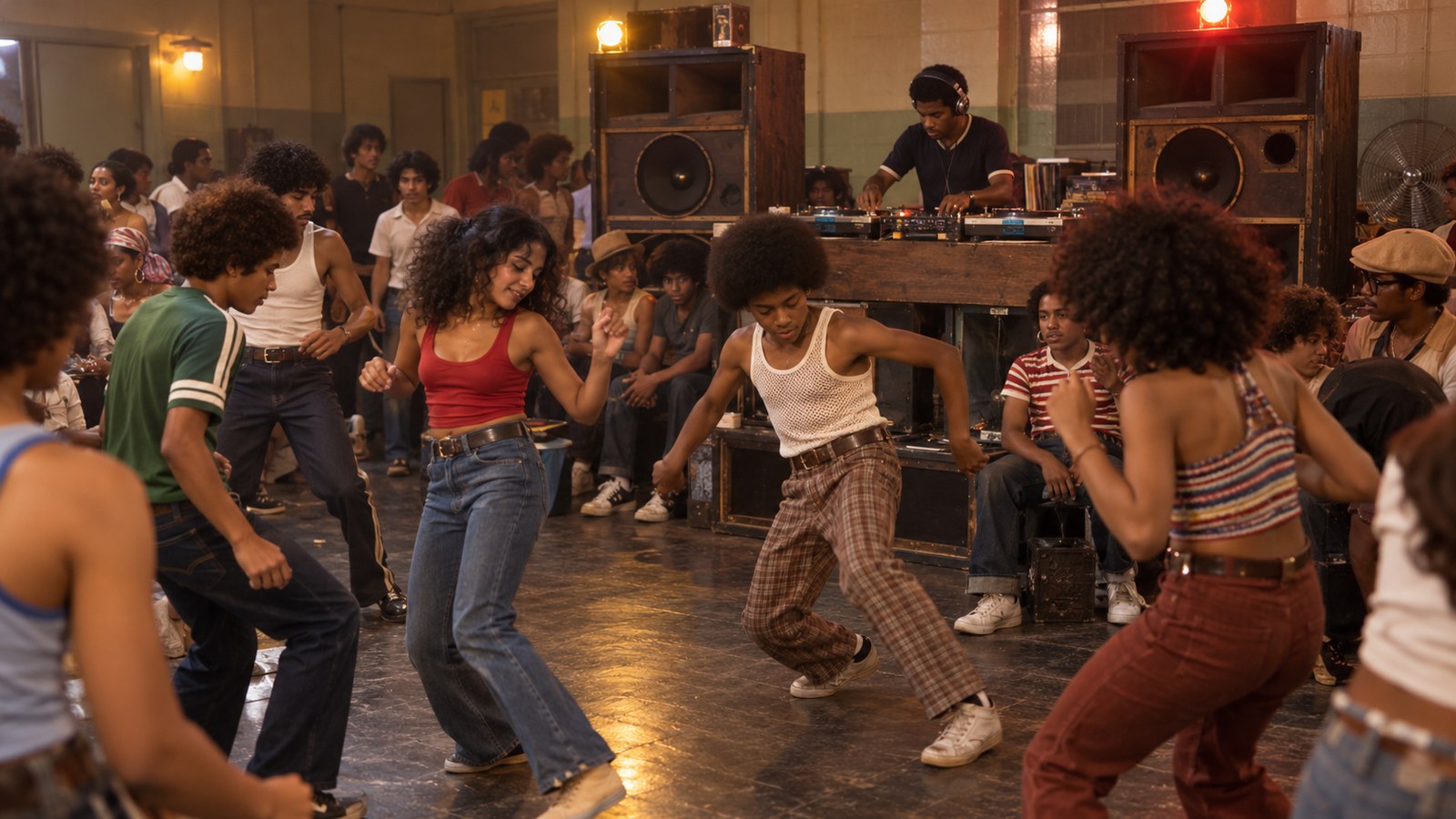
On August 11, 1973, DJ Kool Herc played the Bronx party associated with hip-hop’s birth. Cindy Campbell organized a back-to-school party in the recreation room at 1520 Sedgwick Avenue, and her brother Clive Campbell—DJ Kool Herc—supplied the music. Using two copies of records, Herc extended percussion breaks so dancers could remain in the most exciting part of a track. The party did not create an entire culture in one evening; Bronx DJs, dancers, graffiti writers and emcees were already exchanging ideas across neighborhoods. The date nevertheless offers a documented gathering where techniques, people and a specific address converge, making it a useful marker for hip-hop’s emergence. The date is a useful point of entry because it captures the event before later reputation made its consequences appear inevitable. Contemporary audiences encountered a new release, performance or public loss in real time, with incomplete information and expectations shaped by the media and institutions of the period.
Herc’s break-centered approach shifted attention from the full commercial recording to a reusable fragment selected by the DJ. Dancers developed styles around those passages, while spoken introductions and crowd encouragement helped create space for the emcee as a distinct performer. Popular culture is created through more than the famous person at the center: producers, technicians, exhibitors, broadcasters, audiences and physical venues all affect what survives. Looking closely at those conditions prevents an anniversary from becoming a list of familiar names and restores the choices, limitations and competing interests that surrounded the moment.
Other innovators, including Afrika Bambaataa and Grandmaster Flash, refined organization, mixing and equipment, and block-party practices moved into clubs and records. Hip-hop then expanded globally through music, dance, visual art, fashion, language and entrepreneurship, often while its Bronx roots were simplified or commercially exploited. That later history matters because influence is not a straight line. Works are rediscovered, technologies change, communities attach new meanings and commercial owners repackage the past. The most durable pop events remain open to argument, allowing admiration for creative achievement to exist beside criticism of exclusion, labor, power or representation.
August 11 is now celebrated as a cultural anniversary because it anchors a vast history in a modest community room and a teenager’s fundraiser. Remembering Cindy’s role alongside Herc’s keeps the story connected to the practical neighborhood labor that made the party possible. Anniversaries can flatten history into celebration, but they can also reopen it. Returning to this August date means separating what participants knew then from what later audiences added, and noticing how recordings, photographs, broadcasts and personal memories keep the event active. That distance between the immediate moment and its long afterlife is what makes this episode worth revisiting as part of popular culture.
The party took place at 1520 Sedgwick Avenue in the Bronx on August 11, 1973.
On August 11, 1973, DJ Kool Herc played the Bronx party associated with hip-hop's birth. Cindy Campbell organized a back-to-school party in the recreation room at 1520 Sedgwick Avenue, and her brother Clive Campbell—DJ Kool Herc—supplied the music.
Cindy Campbell organized it, and her brother DJ Kool Herc used two copies of records to extend breaks.
Herc's break-centered approach shifted attention from the full commercial recording to a reusable fragment selected by the DJ. Dancers developed styles around those passages, while spoken introductions and crowd encouragement helped create space for the emcee as a distinct performer.
The date is widely observed as a symbolic birthday of hip-hop rather than the sole instant an entire culture appeared.
Other innovators, including Afrika Bambaataa and Grandmaster Flash, refined organization, mixing and equipment, and block-party practices moved into clubs and records. Hip-hop then expanded globally through music, dance, visual art, fashion, language and entrepreneurship, often while its Bronx roots were simplified or commercially exploited.
Explore more of "On This Day ..."
Discover more events from the same date across news, politics, technology, sports, and other fields. Each link highlights significant moments that shaped history on different fronts.