

On This Day in Pop: September 1, 1984
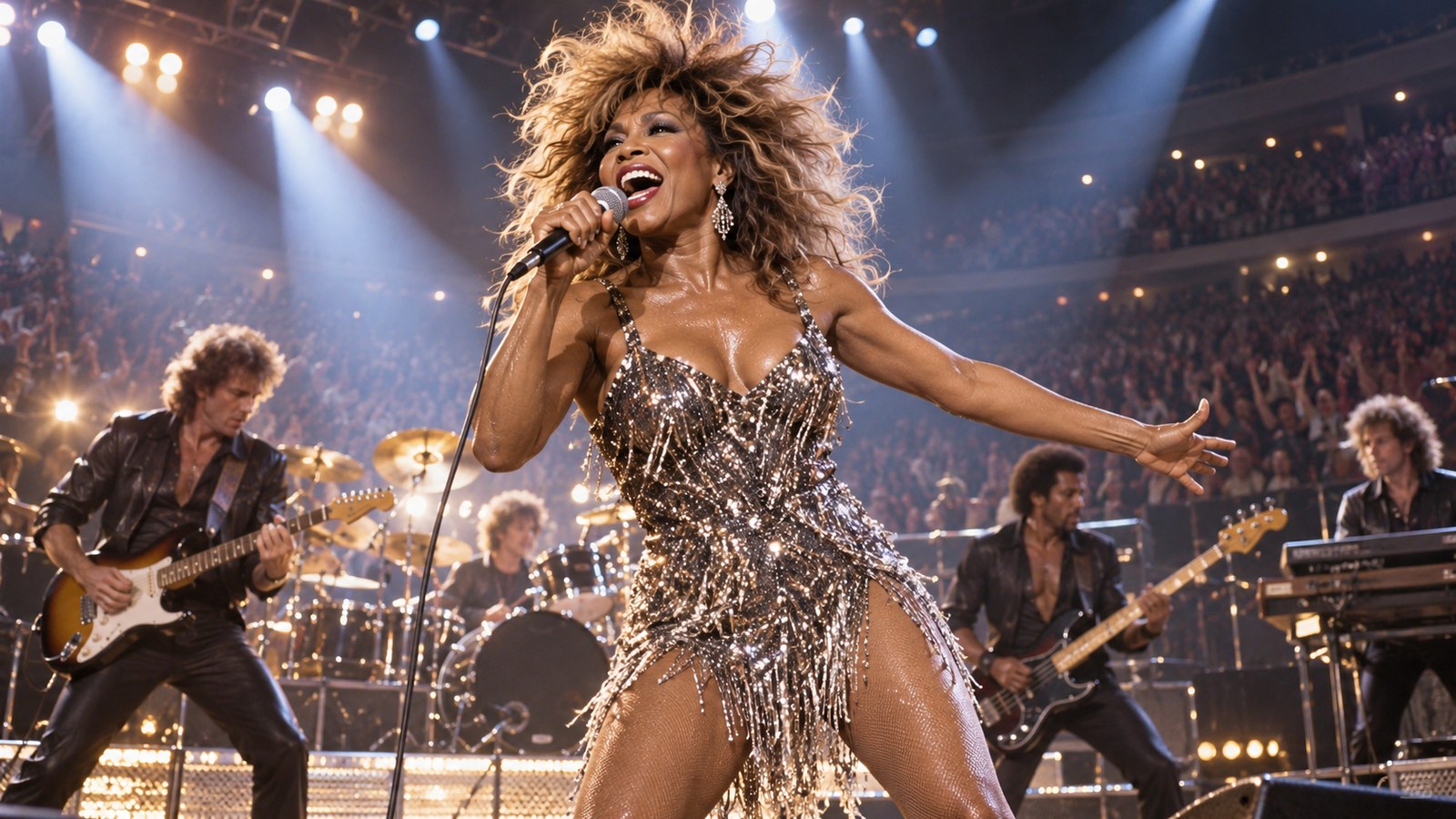
On September 1, 1984, Tina Turner’s ‘What’s Love Got to Do with It’ reached number one on the Billboard Hot 100. The single completed a remarkable return to the center of American pop for a forty-four-year-old performer rebuilding her career on her own terms. Its cool synthesizers, clipped guitar and guarded lyric contrasted with the physical force of Turner’s performance style. The song came from Private Dancer, an album assembled with several production teams after years in which major labels doubted Turner’s commercial prospects. She initially resisted the track, then reshaped it through phrasing that made emotional caution sound commanding rather than passive. The date captures the event before later reputation made its consequences look inevitable, when audiences encountered a new release, performance, institution or public loss with only the expectations available at the time.
A number-one single challenged the industry’s assumptions about age, gender and the possibility of a second act. It also moved Turner beyond an old public narrative defined by her former husband and collaborator, allowing audiences to meet her as an autonomous international star. Popular culture is never made by a famous name alone. Writers, producers, technicians, broadcasters, retailers, venues and audiences shape what becomes visible and what survives. Looking at those conditions turns an anniversary from a list entry into a record of choices, limits and competing interests.
The record earned Grammy Awards for Record of the Year, Song of the Year and Best Female Pop Vocal Performance. Its title later became attached to Turner’s memoir-based film, while the Private Dancer tour established the scale of her renewed career. That afterlife matters because influence does not move in a straight line. Reruns, reissues, new technology, criticism and community memory can change the meaning of a work long after its first appearance. Durable pop history therefore holds creative achievement beside questions of labor, access, power and representation.
The achievement remains a lesson in how interpretation can transform material. Turner’s voice gives the polished song tension, skepticism and release, making a chart milestone inseparable from a larger story of survival and artistic control. Returning to this September date means separating what participants knew then from what later audiences added. Recordings, photographs, broadcasts and recollections keep the moment active, but they also select and reshape it. That distinction protects against hindsight: a chart position, premiere, publication, concert or memorial may become a neat milestone later, but the people present still faced uncertainty. Reading the moment in both directions—through its original conditions and its accumulated meanings—keeps celebration from replacing history. The distance between the immediate event and its continuing interpretation is what makes this episode worth revisiting.
The single reached number one on September 1, 1984.
On September 1, 1984, Tina Turner's 'What's Love Got to Do with It' reached number one on the Billboard Hot 100. The single completed a remarkable return to the center of American pop for a forty-four-year-old performer rebuilding her career on her own terms.
It became Tina Turner's first solo Billboard Hot 100 number one.
A number-one single challenged the industry's assumptions about age, gender and the possibility of a second act. It also moved Turner beyond an old public narrative defined by her former husband and collaborator, allowing audiences to meet her as an autonomous international star.
The recording later won Grammys for Record and Song of the Year.
The record earned Grammy Awards for Record of the Year, Song of the Year and Best Female Pop Vocal Performance. Its title later became attached to Turner's memoir-based film, while the Private Dancer tour established the scale of her renewed career.
Explore more of "On This Day ..."
Discover more events from the same date across news, politics, technology, sports, and other fields. Each link highlights significant moments that shaped history on different fronts.