

On This Day in Pop: September 20, 1984
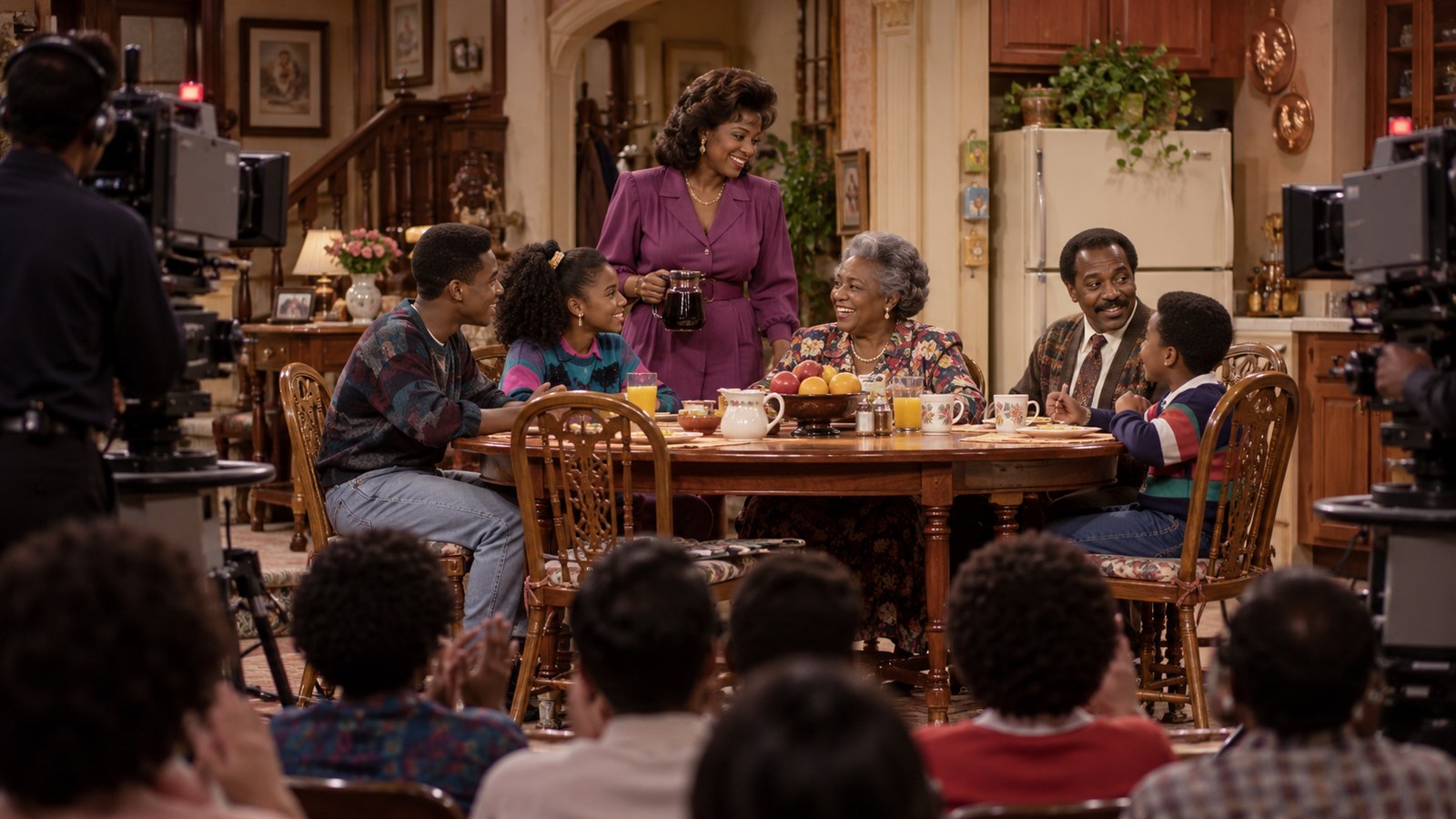
On September 20, 1984, The Cosby Show premiered on NBC. The premiere introduced the Huxtables, a prosperous Brooklyn family led by physician Cliff and attorney Clair. Family arguments, school problems and parental teasing gave NBC an immediate hit and placed an affluent Black household at the center of Thursday-night television. The series arrived after network executives had grown skeptical of the sitcom form. Its warmth, jazz-inflected style and emphasis on education countered narrow stereotypes, while Phylicia Rashad’s poised performance made Clair far more than a supporting television mother. The date captures the event before later reputation made its consequences look inevitable, when audiences encountered a new release, performance, institution or public loss with only the expectations available at the time.
Representation carried both value and burden: one fictional family could expand possibility without representing the economic realities of all Black Americans. Later criminal convictions, an overturned conviction on procedural grounds and civil findings involving Bill Cosby profoundly changed how audiences encounter the star-centered program. Popular culture is never made by a famous name alone. Writers, producers, technicians, broadcasters, retailers, venues and audiences shape what becomes visible and what survives. Looking at those conditions turns an anniversary from a list entry into a record of choices, limits and competing interests.
The show led ratings, encouraged a wave of family comedies and helped revive NBC. Reruns were later withdrawn from many outlets as numerous women accused Cosby of sexual assault, forcing difficult separation of an ensemble’s cultural work from its central performer’s conduct. That afterlife matters because influence does not move in a straight line. Reruns, reissues, new technology, criticism and community memory can change the meaning of a work long after its first appearance. Durable pop history therefore holds creative achievement beside questions of labor, access, power and representation.
The anniversary requires context rather than erasure or uncomplicated celebration. The series’ impact on television and Black middle-class representation is real, and so is the harm that transformed its meaning; responsible history must hold both facts at once. Returning to this September date means separating what participants knew then from what later audiences added. Recordings, photographs, broadcasts and recollections keep the moment active, but they also select and reshape it. That distinction protects against hindsight: a chart position, premiere, publication, concert or memorial may become a neat milestone later, but the people present still faced uncertainty. Reading the moment in both directions—through its original conditions and its accumulated meanings—keeps celebration from replacing history. The distance between the immediate event and its continuing interpretation is what makes this episode worth revisiting.
The Cosby Show premiered on September 20, 1984.
On September 20, 1984, The Cosby Show premiered on NBC. The premiere introduced the Huxtables, a prosperous Brooklyn family led by physician Cliff and attorney Clair.
The Huxtables were an affluent Black family led by a doctor and a lawyer.
Representation carried both value and burden: one fictional family could expand possibility without representing the economic realities of all Black Americans. Later criminal convictions, an overturned conviction on procedural grounds and civil findings involving Bill Cosby profoundly changed how audiences encounter the star-centered program.
Bill Cosby's later legal history and numerous allegations fundamentally altered the show's public legacy.
The show led ratings, encouraged a wave of family comedies and helped revive NBC. Reruns were later withdrawn from many outlets as numerous women accused Cosby of sexual assault, forcing difficult separation of an ensemble's cultural work from its central performer's conduct.
Explore more of "On This Day ..."
Discover more events from the same date across news, politics, technology, sports, and other fields. Each link highlights significant moments that shaped history on different fronts.