

On This Day in Sports: January 6, 1994
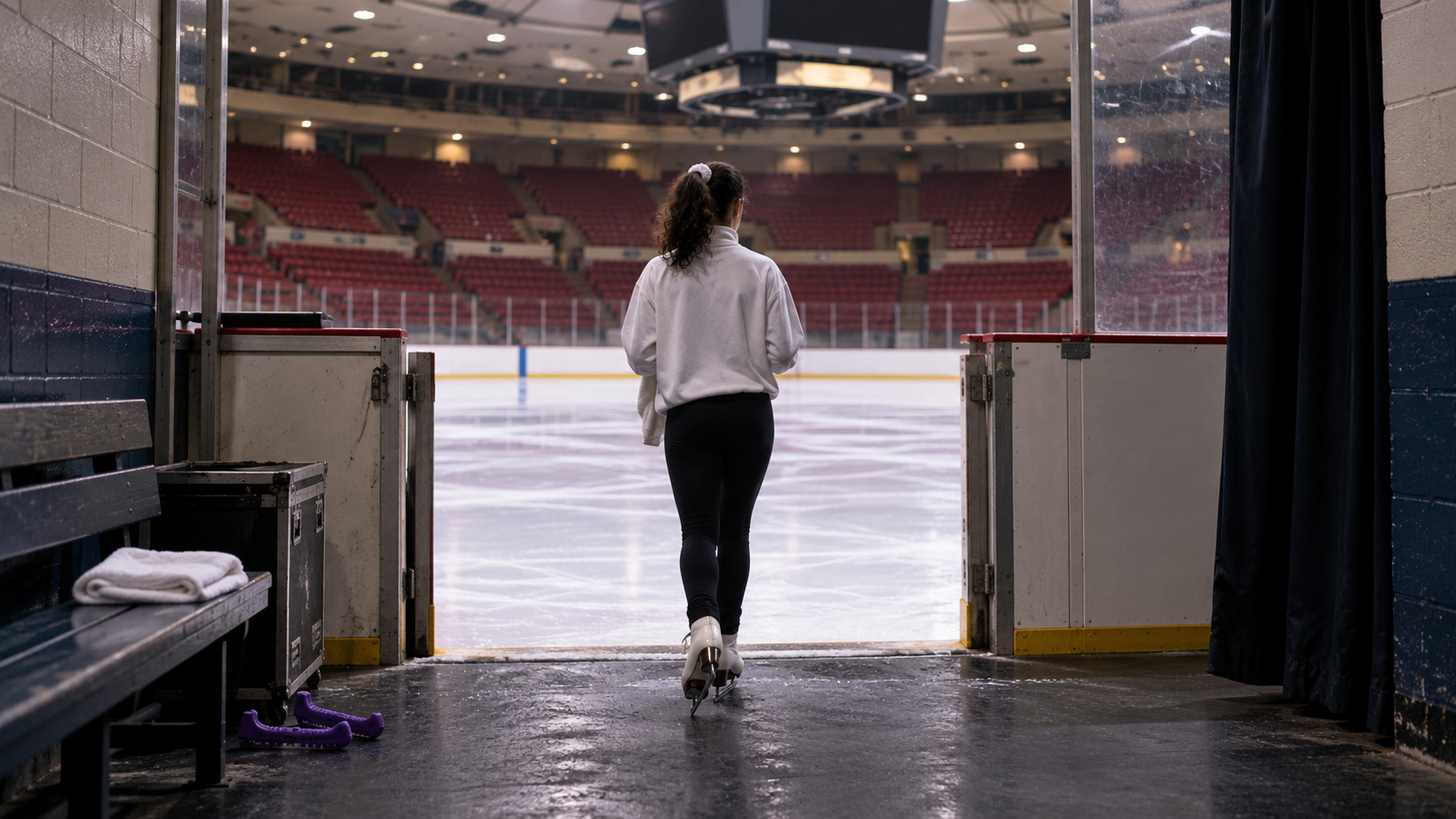
On January 6, 1994, at Cobo Arena in Detroit, U.S. figure skating champion Nancy Kerrigan was attacked moments after leaving an afternoon practice session for the national championships. At about 2:35 p.m., a man struck Kerrigan above the right knee with a metal baton and escaped through the arena corridors. The blow badly bruised her leg and forced her to withdraw from the competition that would help determine the United States team for the Lillehammer Winter Olympics. Television footage of the injured skater spread rapidly, turning a criminal assault into an international sports story.
Investigators soon connected attacker Shane Stant to a plot involving Shawn Eckardt, Derrick Smith, and Jeff Gillooly, the former husband of Kerrigan’s leading rival, Tonya Harding. The case moved quickly: participants confessed or surrendered, and federal investigators questioned Harding. Harding later pleaded guilty to conspiring to hinder the prosecution, rather than to planning or carrying out the assault. That distinction mattered legally, even as the public debate often blurred separate questions of advance knowledge, criminal responsibility, and competitive benefit.
Kerrigan missed the U.S. championships, which Harding won, but skating officials placed both women on the Olympic team. Kerrigan recovered in time for the Lillehammer Games and won the silver medal; Harding finished eighth. The women’s competition drew an enormous television audience, but the attention frequently overwhelmed discussion of other athletes and of the skating itself. After the Olympics, Harding received probation, community service, and a fine through her plea agreement. U.S. Figure Skating later stripped her 1994 national title and imposed a lifetime ban after its own disciplinary process.
The attack changed more than the careers of the people involved. It exposed how vulnerable athletes could be in practice areas and service corridors, prompting organizers to reconsider security around major events. It also became an early example of a sports story expanding into continuous television spectacle, with legal developments, rumor, and personality coverage competing with verified facts. Kerrigan’s return demonstrated athletic recovery under intense pressure, but the lasting significance of January 6 is also institutional: competition requires safe access to training and fair procedures when conduct away from the field threatens the integrity of the event. It also forced federations to consider athlete welfare beyond competition schedules, including access control, credentialing, and response plans. That broader shift remains relevant whenever public attention follows competitors into spaces intended for training, treatment, and recovery. Safety became inseparable from competitive fairness.
Kerrigan entered Detroit as the defending U.S. champion and a leading Olympic contender, making the national event central to the selection process.
The assault occurred just outside a practice rink inside Cobo Arena, an access area that was not designed for the level of security later considered necessary.
Kerrigan’s bruised right leg kept her out of the U.S. championships, but officials retained discretion to name her to the Olympic team.
Harding’s guilty plea concerned hindering the prosecution; public claims about her advance knowledge should not be treated as identical to that conviction.
Kerrigan returned in time to win Olympic silver, while U.S. Figure Skating later stripped Harding’s national title and banned her for life.
The case reshaped event-security planning and became a cautionary example of media spectacle overwhelming careful distinctions between evidence, allegation, and judgment.
Explore more "On This Day in Sports"
Discover more landmark games, records, championships, and turning points from sports history. Each day revisits the athletes, teams, and moments that shaped competition and culture.