

On This Day in Sports: February 8, 1936
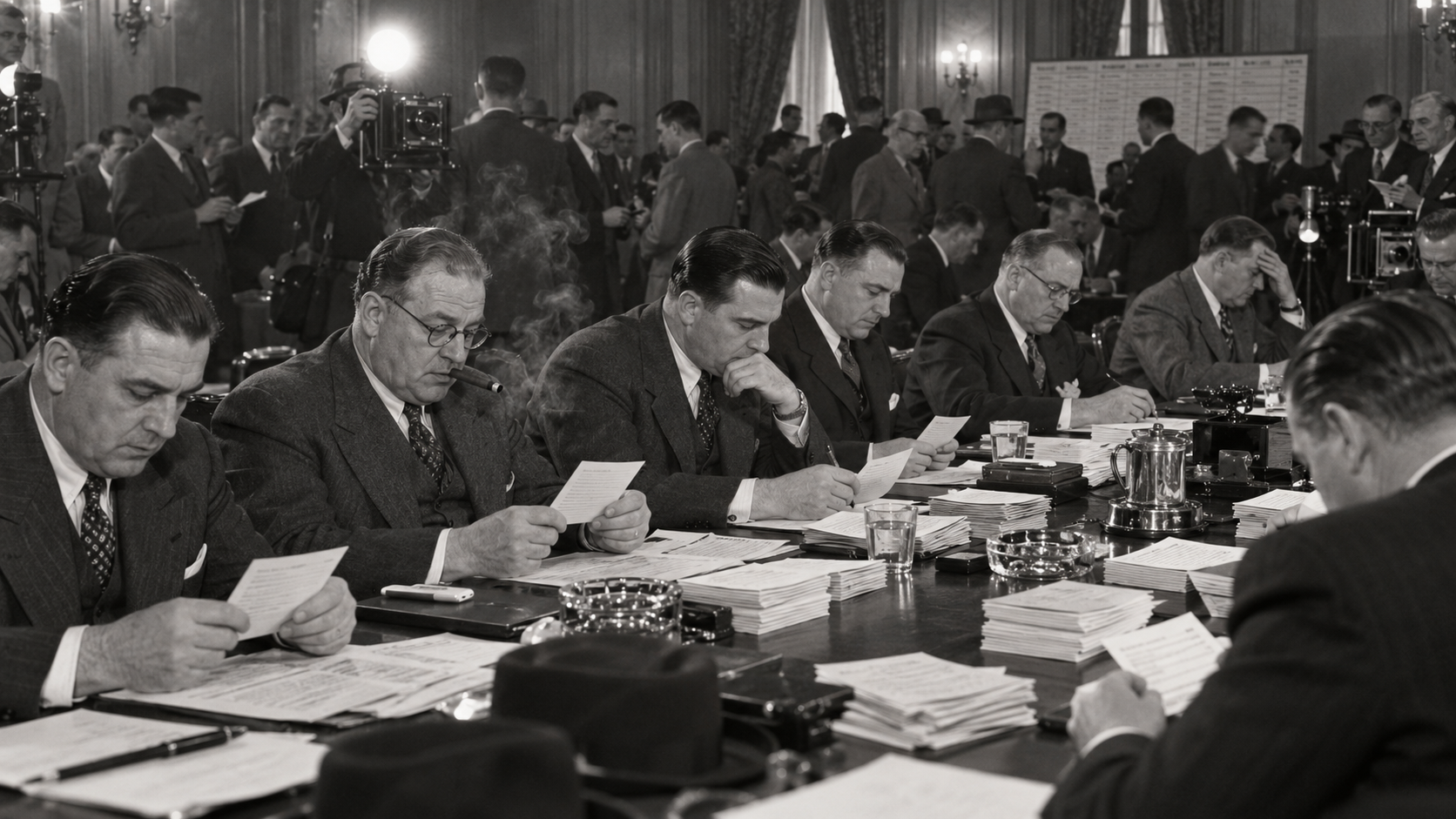
On February 8, 1936, National Football League owners gathered at Philadelphia’s Ritz-Carlton Hotel and conducted the first player draft in league history. The meeting introduced a new way to distribute college talent, replacing a largely uncontrolled recruiting market in which the wealthiest and most successful clubs could dominate negotiations. Teams selected in reverse order of the previous season’s standings, giving weaker organizations the earliest opportunities to improve.
The Philadelphia Eagles held the first choice and selected University of Chicago halfback Jay Berwanger, winner of the inaugural Downtown Athletic Club Trophy later renamed the Heisman Trophy. Philadelphia soon traded his rights to the Chicago Bears, but Berwanger and Bears owner George Halas could not agree on a contract. The first player ever drafted by the NFL never appeared in a professional game and instead pursued a business career.
The original draft was modest by modern standards. Nine teams made 81 selections across nine rounds, working from lists compiled with limited scouting information. There were no televised analysts, national combine or instant highlights. Many drafted players chose other careers because professional football salaries were uncertain, but the mechanism itself gave every franchise a structured claim to incoming talent.
The draft became one of the league’s central competitive institutions. Its format, number of rounds and eligibility rules changed repeatedly, yet the underlying idea endured: standings determine access to new talent, and every selection can alter a club’s future. What began in a hotel conference room grew into a major public event watched by millions and a year-round industry of scouting, evaluation and debate.
The Eagles made Berwanger the first player selected in NFL Draft history.
Berwanger never signed an NFL contract and never played a professional game.
Nine clubs made 81 selections over nine rounds.
Teams drafted in reverse order of the 1935 standings to support competitive balance.
The event introduced a league-wide system for assigning negotiating rights to college players.
The modern draft’s enormous public spectacle traces back to this quiet Philadelphia meeting.
Explore more "On This Day in Sports"
Discover more landmark games, records, championships, and turning points from sports history. Each day revisits the athletes, teams, and moments that shaped competition and culture.