

On This Day in Sports: February 18, 2001
On February 18, 2001, Dale Earnhardt died following a final-lap crash in the Daytona 500. The seven-time champion was running near the front as Michael Waltrip and Dale Earnhardt Jr. raced toward a one-two finish for the team Earnhardt owned. Entering the final corner, contact sent Earnhardt’s No. 3 Chevrolet into the outside wall. The celebration for Waltrip’s first Cup Series victory quickly gave way to shock when NASCAR announced that Earnhardt had not survived his injuries.
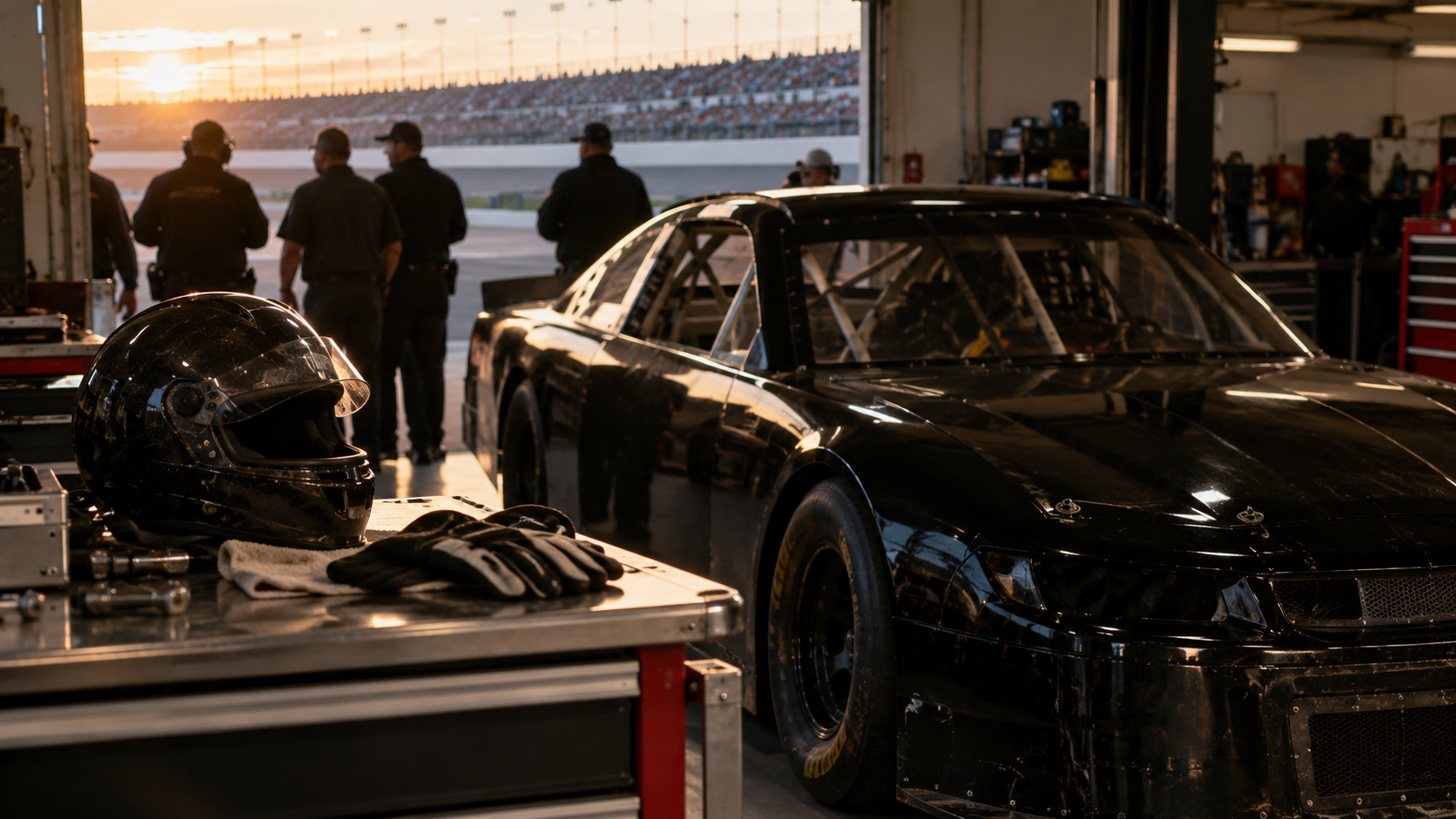
Earnhardt was 49 and remained one of the sport’s most influential active drivers. Known as “The Intimidator,” he had built his reputation through aggressive racecraft, relentless consistency and a connection with fans that crossed team loyalties. His black No. 3 had become one of American motorsport’s most recognizable images, and his seven championships tied Richard Petty’s record at the time.
The loss forced NASCAR to confront a series of fatal accidents and examine how drivers were protected in sudden impacts. Investigations focused attention on restraints, seats, helmets, cockpit design and the way speed was absorbed by cars and barriers. NASCAR soon mandated head-and-neck restraint devices, expanded crash-data collection and accelerated research that contributed to SAFER barriers and a new generation of race cars designed around driver survival.
No safety system can erase the loss that prompted it, and NASCAR’s changes developed through the work of many engineers, physicians, teams and drivers. Still, February 18 became a dividing line in the sport’s history. Earnhardt’s racing legacy remained immense, while the response to his death helped create a safer era in which serious crashes were studied with greater urgency and protection became a central measure of progress.
Earnhardt was a seven-time Cup Series champion and one of NASCAR’s defining competitors.
The crash occurred on the final lap while cars from his own team raced toward a one-two finish.
NASCAR intensified research into restraints, seats, barriers and crash data after the accident.
Head-and-neck restraint devices soon became mandatory in the sport’s top series.
SAFER barriers and redesigned race cars became central parts of NASCAR’s safety evolution.
Earnhardt’s legacy includes both his championships and the safety urgency that followed his loss.
Explore more "On This Day in Sports"
Discover more landmark games, records, championships, and turning points from sports history. Each day revisits the athletes, teams, and moments that shaped competition and culture.