

On This Day in Sports: March 19, 1995
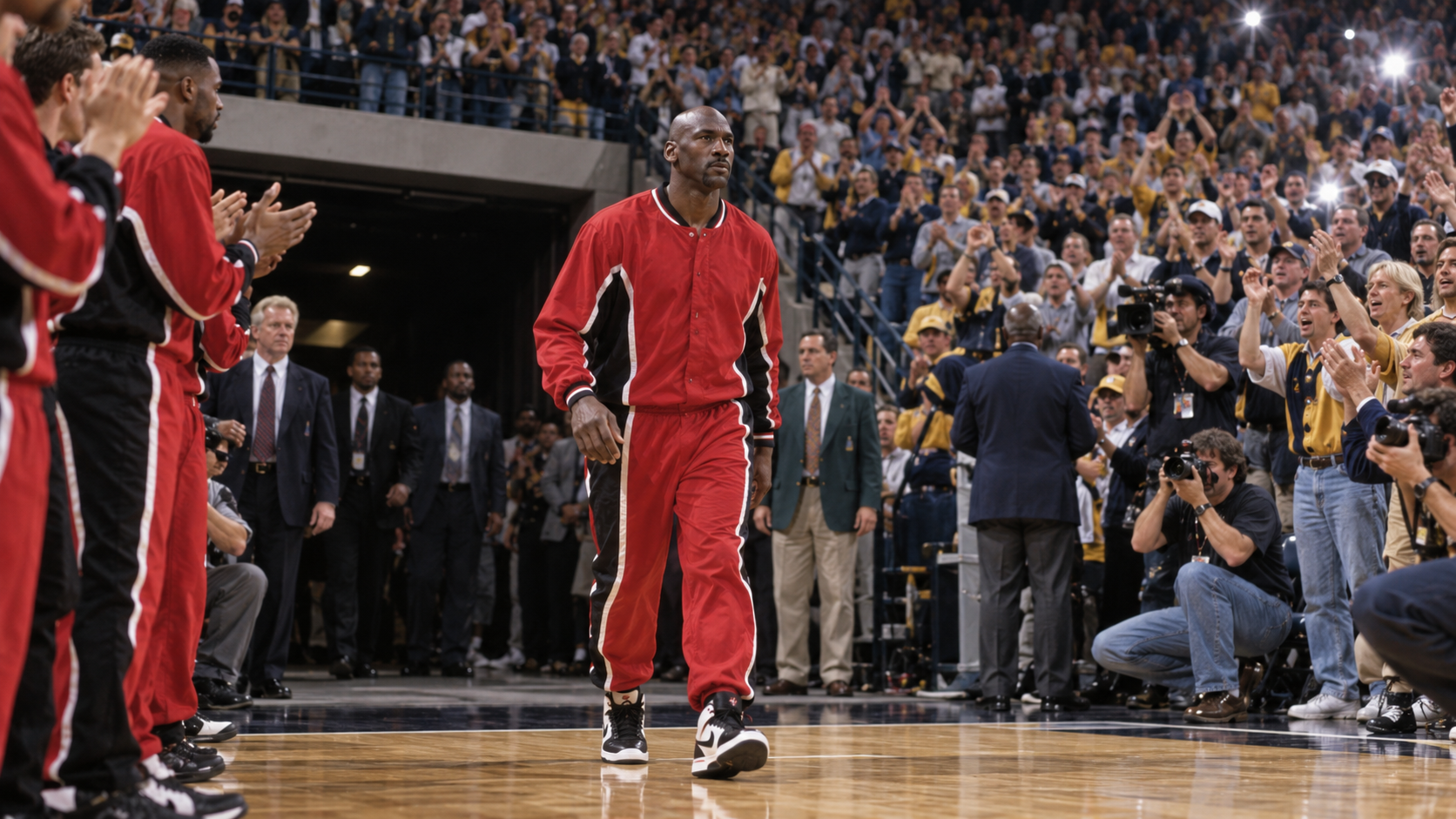
On March 19, 1995, Michael Jordan returned to the NBA after a seventeen-month absence, starting for the Chicago Bulls against the Indiana Pacers. Two days earlier, his representatives had announced the comeback with the famously brief statement, “I’m back.” The game became a national television event because basketball’s most recognizable player was stepping onto an NBA floor again after leaving the sport at the height of his fame.
Jordan wore No. 45, the number he had used during his baseball career, instead of the familiar No. 23. His timing was uneven after the long layoff, but he finished with 19 points, six rebounds and six assists. Indiana won 103–96 in overtime. The result mattered less to the audience than the evidence that Jordan’s competitiveness and physical presence had survived an experiment in another professional sport.
The comeback accelerated quickly. In his fifth game, Jordan scored 55 points at Madison Square Garden, then led Chicago into the playoffs. Orlando eliminated the Bulls in the conference semifinals, exposing the difficulty of rebuilding championship coordination late in a season. That defeat helped set the conditions for a full training camp, roster adjustments and the focused response that followed.
Chicago won 72 games and the championship in 1995–96, beginning a second run of three consecutive titles. The Indiana return therefore stands as the opening scene of a larger restoration rather than a complete triumph by itself. Jordan looked human, the Bulls lost and questions remained, but the comeback restored the league’s central star and set in motion one of the most successful second acts in sports history.
Jordan had been away from the NBA for seventeen months.
He wore No. 45 in his first game back.
He recorded 19 points, six rebounds and six assists.
Indiana defeated Chicago 103–96 in overtime.
Jordan scored 55 points at Madison Square Garden days later.
Chicago won the next three NBA championships.
Explore more "On This Day in Sports"
Discover more landmark games, records, championships, and turning points from sports history. Each day revisits the athletes, teams, and moments that shaped competition and culture.