

On This Day in Sports: March 28, 1984
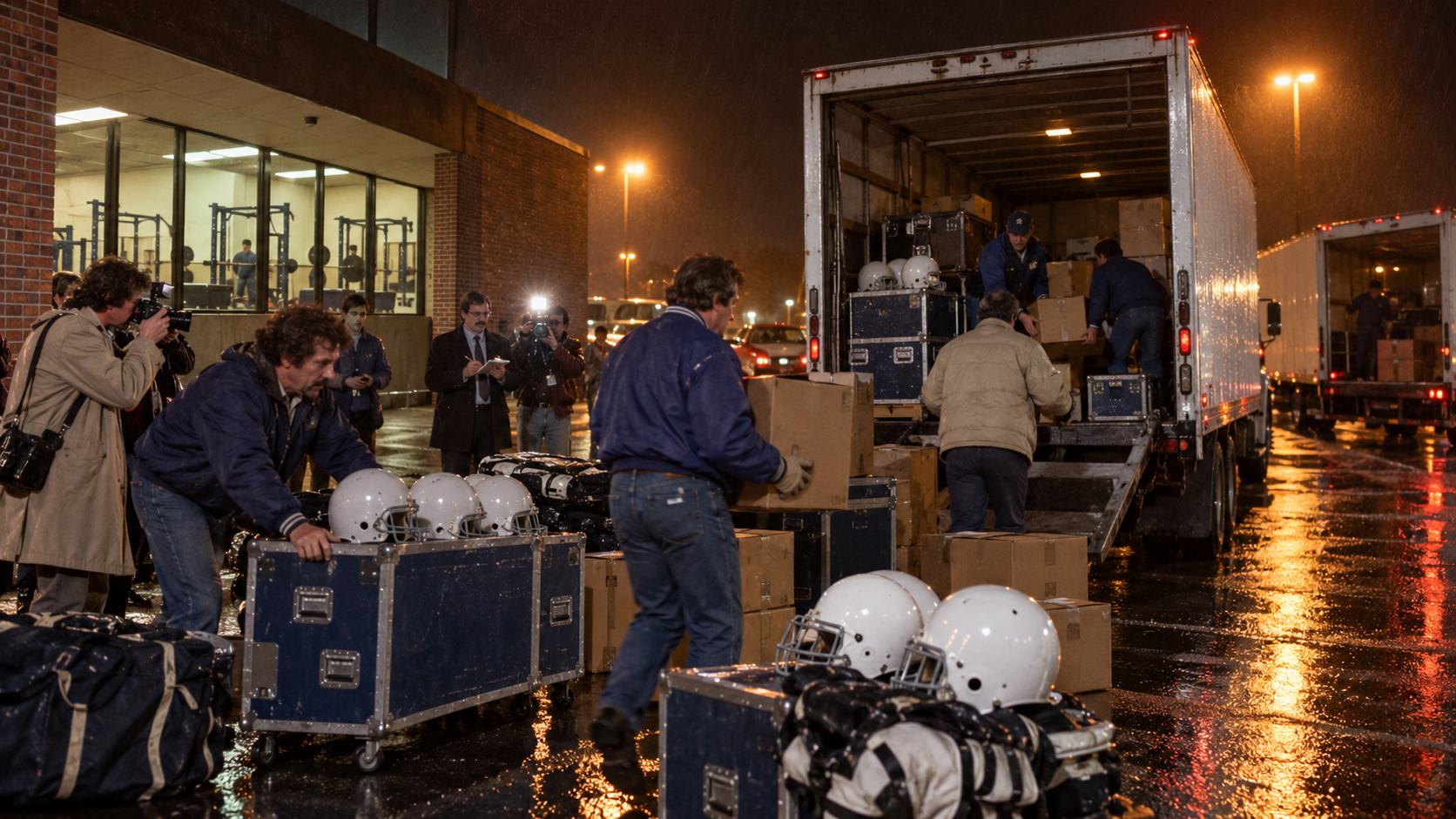
On March 28, 1984, the Colts relocated from Baltimore to Indianapolis, ending a tense dispute over the franchise’s stadium future. Moving vans arrived at the team’s Maryland training facility late at night and carried equipment west before many residents knew the decision was final. The images of a football organization leaving under darkness made the move one of the most dramatic and painful relocations in American professional sports.
Owner Robert Irsay had sought a new or improved stadium while Baltimore and Maryland officials debated public action, including legislation that could allow the city to seize the team through eminent domain. Indianapolis had built the Hoosier Dome and offered an attractive financial package. As the legal pressure increased, Irsay accepted the Indiana offer and ordered a rapid operation that dispersed trucks across several routes.
The departure severed a history that included Johnny Unitas, two NFL championships and a Super Bowl victory. Baltimore fans lost the team name and records associated with decades of local identity, while Indianapolis gained its first major-league franchise. The Colts struggled initially in their new home but eventually became a consistent contender after drafting Peyton Manning in 1998.
Baltimore returned to the NFL in 1996 when the Cleveland Browns organization moved and became the Ravens, leaving the Browns’ name and history in Ohio. That later settlement contrasted sharply with the Colts’ exit. March 28 remains a lesson in the power of ownership, public financing and civic attachment: a franchise can cross state lines overnight, but the emotions tied to its original home do not move so easily. The decision still shapes both cities.
The Colts left Baltimore on March 28, 1984.
Moving vans carried team equipment west overnight.
Indianapolis offered the new Hoosier Dome as a home.
Maryland officials had considered eminent-domain legislation.
Baltimore regained NFL football with the Ravens in 1996.
The Colts later became contenders behind Peyton Manning.
Explore more "On This Day in Sports"
Discover more landmark games, records, championships, and turning points from sports history. Each day revisits the athletes, teams, and moments that shaped competition and culture.