

On This Day in Sports: May 16, 1975
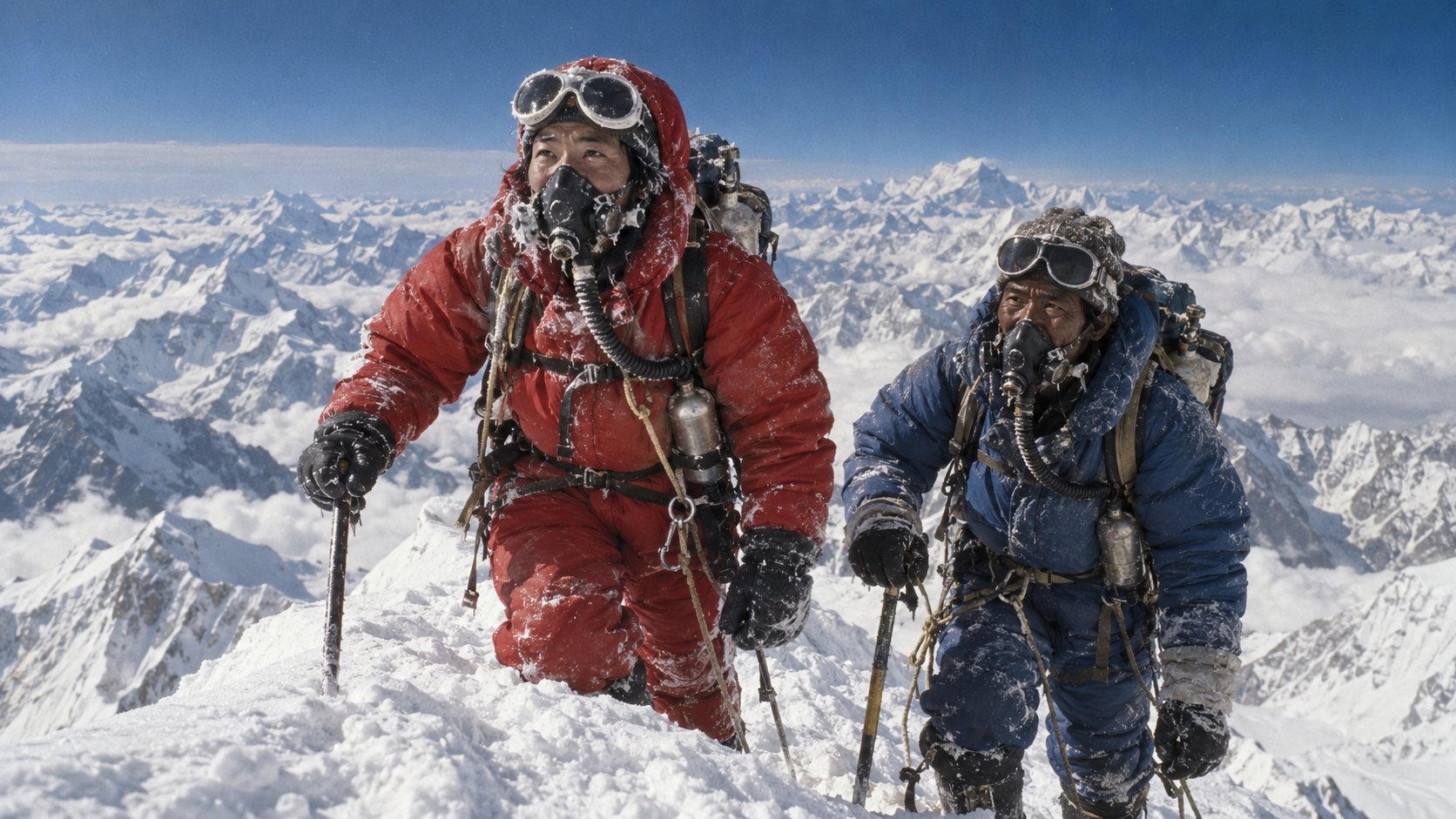
On May 16, 1975, Japanese mountaineer Junko Tabei reached the summit of Mount Everest, becoming the first woman known to stand on the world’s highest peak. Accompanied by Sherpa guide Ang Tsering, she completed the final climb after weeks of hardship on the southeast route. The achievement challenged assumptions about gender, strength and leadership in high-altitude expedition climbing. The public record fixes the central details with unusual clarity: Tabei summited with Sherpa guide Ang Tsering. She led the Japanese Women’s Everest Expedition. Together, those facts explain why May 16, 1975 stands apart from the ordinary flow of a season and deserves to be remembered as a distinct historical moment.
Tabei had organized the Japanese Women’s Everest Expedition after encountering resistance from sponsors and critics who believed women should not attempt the mountain. The team raised money through lectures and personal contributions, often improvising equipment to contain costs. Their expedition included fifteen climbers and an all-female Japanese team, supported by Sherpa personnel who carried essential loads and established the route. Two further details help reconstruct how the achievement unfolded: An avalanche buried her 12 days before the summit. A Sherpa rescued her from the snow. They move the story beyond a headline by showing the pressure, setting and competitive choices that shaped the decisive action in real time.
Disaster nearly ended the attempt. An avalanche struck the camp on May 4, burying Tabei and several teammates. A Sherpa pulled her from the snow, and she spent days recovering from injuries. Twelve days later she continued upward. Near the summit she crossed a narrow, knife-edged ridge not clearly described in prior reports, then stepped onto the top with Ang Tsering. The wider context is equally important. Tabei later completed the Seven Summits. She became the first woman to reach Everest’s summit. Those points connect one day’s performance to a longer career, institution or rivalry and clarify why the event continued to matter after the immediate celebration had ended.
Tabei resisted being defined only as the first woman, insisting she wanted recognition as an individual climber. She later became the first woman to complete the Seven Summits and devoted energy to mountain conservation. Her Everest ascent remains historic not because it confirmed a separate category of ability, but because it helped make that category less necessary. Seen from today, the milestone remains compelling because it joins a measurable result with the uncertainty of live competition. Nothing about the outcome was guaranteed beforehand. That combination of preparation, opportunity and execution is what transformed the date from another entry on the schedule into lasting sports history.
Tabei summited with Sherpa guide Ang Tsering.
She led the Japanese Women’s Everest Expedition.
An avalanche buried her 12 days before the summit.
A Sherpa rescued her from the snow.
Tabei later completed the Seven Summits.
She became the first woman to reach Everest’s summit.
Explore more "On This Day in Sports"
Discover more landmark games, records, championships, and turning points from sports history. Each day revisits the athletes, teams, and moments that shaped competition and culture.