

On This Day in Sports: May 19, 1991
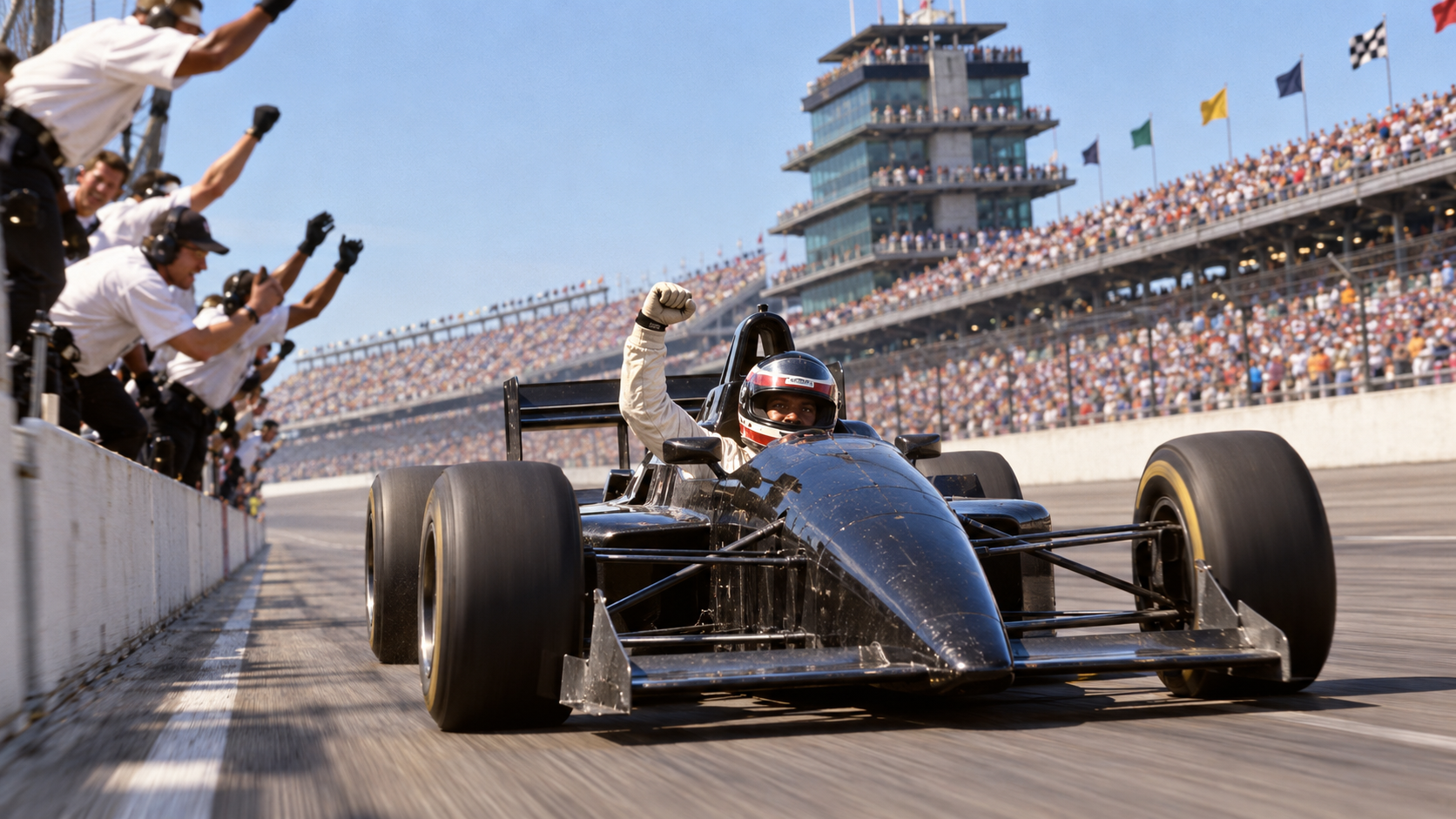
On May 19, 1991, Willy T. Ribbs completed a four-lap qualifying run at 217.358 miles per hour and became the first Black driver to earn a place in the Indianapolis 500. The breakthrough came on the final day of qualifications with only forty-five minutes remaining. His speed placed the Walker Motorsports entry twenty-ninth on the thirty-three-car starting grid and sent a roar through Indianapolis Motor Speedway. The public record fixes the central details with unusual clarity: Ribbs averaged 217.358 mph over four laps. He qualified with 45 minutes remaining. Together, those facts explain why May 19, 1991 stands apart from the ordinary flow of a season and deserves to be remembered as a distinct historical moment.
The attempt nearly never happened. Engine problems had consumed the day and left Ribbs’ crew racing the clock. Mechanics completed repairs in time for him to take the Lola-Buick onto the track, where four clean laps were required to establish an average. Ribbs delivered the fastest qualifying speed of the day, bumping former champion Tom Sneva from the field and finally clearing a barrier he had first tried to cross in 1985. Two further details help reconstruct how the achievement unfolded: The run placed him 29th in the field. He drove a Lola-Buick for Walker Motorsports. They move the story beyond a headline by showing the pressure, setting and competitive choices that shaped the decisive action in real time.
Ribbs had already built a career across Formula Ford, Trans-Am and Indy car racing while confronting racism from sponsors, officials and parts of the audience. The Indianapolis entry required new backing and a new team, with no guarantee that effort would produce enough speed. Qualifying did not erase those obstacles, but it placed a Black driver inside the field of the sport’s most visible American race. The wider context is equally important. Ribbs became the first Black Indianapolis 500 qualifier. He returned to the race in 1993. Those points connect one day’s performance to a longer career, institution or rivalry and clarify why the event continued to matter after the immediate celebration had ended.
An engine failure ended Ribbs’ race after only five completed laps, yet the start mattered more than the result. He returned to Indianapolis in 1993, and later Black drivers followed onto the grid. The late Sunday run remains the turning point: four laps under maximum pressure that converted years of resistance into an official place in Indianapolis 500 history. Seen from today, the milestone remains compelling because it joins a measurable result with the uncertainty of live competition. Nothing about the outcome was guaranteed beforehand. That combination of preparation, opportunity and execution is what transformed the date from another entry on the schedule into lasting sports history.
Ribbs averaged 217.358 mph over four laps.
He qualified with 45 minutes remaining.
The run placed him 29th in the field.
He drove a Lola-Buick for Walker Motorsports.
Ribbs became the first Black Indianapolis 500 qualifier.
He returned to the race in 1993.
Explore more "On This Day in Sports"
Discover more landmark games, records, championships, and turning points from sports history. Each day revisits the athletes, teams, and moments that shaped competition and culture.