

On This Day in Sports: July 26, 2024
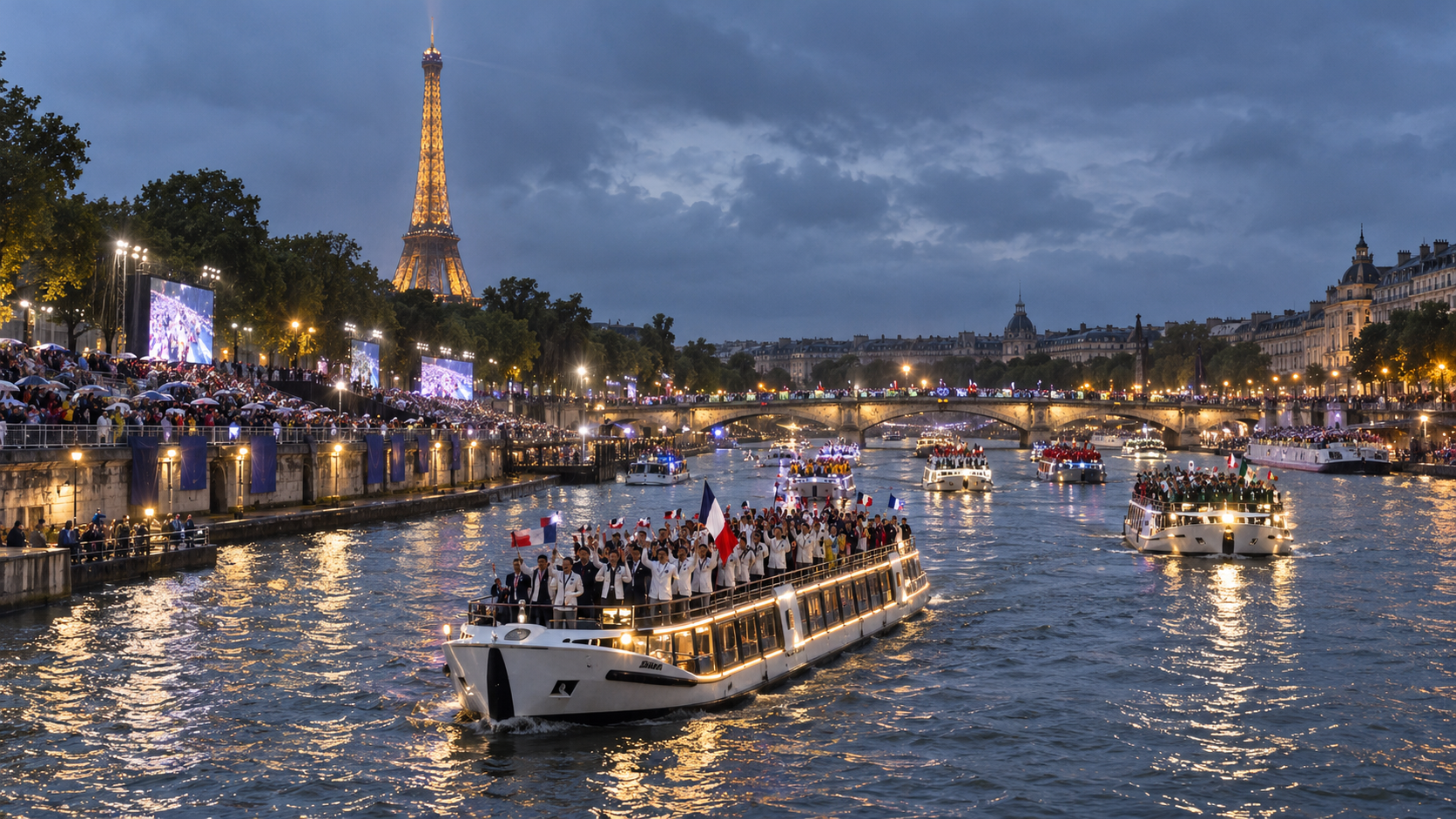
On July 26, 2024, Paris opened the Summer Olympics with the first opening ceremony in Games history staged outside a traditional stadium. Thousands of athletes traveled by boat along a six-kilometer route on the Seine while performers used bridges, rooftops and landmarks as stages. Rain fell through much of the four-hour production. The public record fixes the central details with unusual clarity: The ceremony took place on the Seine. The athletes traveled a six-kilometer route. Together, those facts explain why July 26, 2024 stands apart from the ordinary flow of a season and deserves to be remembered as a distinct historical moment.
Organizers designed the ceremony to place athletes and spectators inside the city rather than enclosing them in one arena. Extensive security, transport and broadcast planning was required to coordinate delegations from more than 200 Olympic committees across the river route. Two further details help reconstruct how the achievement unfolded: About 6,800 athletes rode on 85 boats. Rain fell during the ceremony. They move the story beyond a headline by showing the pressure, setting and competitive choices that shaped the decisive action in real time.
Boats carried teams from east to west toward the Trocadéro. Performances referenced French history, music, fashion and art, while the Olympic flag arrived on horseback along the Seine. Marie-José Pérec and Teddy Riner lit a cauldron designed to rise beneath a balloon. The wider context is equally important. Pérec and Riner lit the cauldron. The cauldron rose beneath a balloon. Those points connect one day’s performance to a longer career, institution or rivalry and clarify why the event continued to matter after the immediate celebration had ended.
The ceremony expanded ideas about where an Olympic opening could take place and how a host city could become the venue itself. Paris also marked the first Games planned for numerical gender parity among athletes. The ambitious river format created striking images while revealing the logistical risks of an open urban stage. Seen from today, the milestone remains compelling because it joins a measurable result with the uncertainty of live competition. Nothing about the outcome was guaranteed beforehand. That combination of preparation, opportunity and execution transformed the date from another entry on the schedule into lasting sports history. It also reveals how records and championships depend on teammates, opponents, officials, venues and rules that shape the opportunity. Preserving those surrounding details helps explain both the achievement itself and the reason later generations still discuss it. The date therefore offers a useful window into how sporting excellence is created, witnessed and remembered.
The ceremony took place on the Seine.
The athletes traveled a six-kilometer route.
About 6,800 athletes rode on 85 boats.
Rain fell during the ceremony.
Pérec and Riner lit the cauldron.
The cauldron rose beneath a balloon.
Explore more "On This Day in Sports"
Discover more landmark games, records, championships, and turning points from sports history. Each day revisits the athletes, teams, and moments that shaped competition and culture.