

On This Day in Sports: August 5, 2016
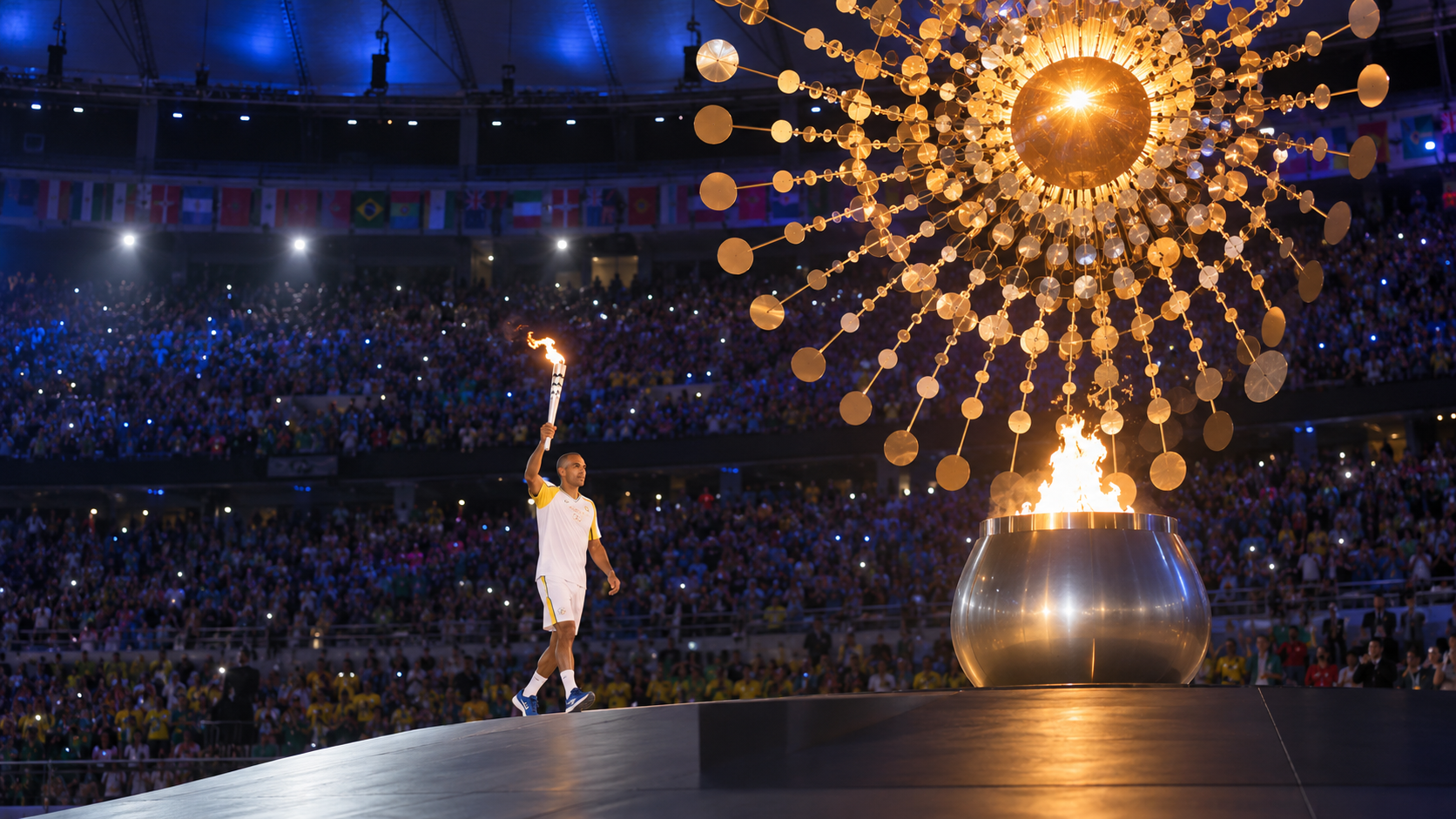
On August 5, 2016, the Rio de Janeiro Summer Olympics opened at Maracana Stadium, bringing the Games to South America for the first time. The ceremony used music, dance and projected imagery to trace Brazilian history while emphasizing environmental responsibility. Marathon champion Vanderlei Cordeiro de Lima lit the Olympic cauldron. The public record fixes the central details with unusual clarity: The ceremony took place at Maracana Stadium. Rio staged South America’s first Summer Olympics. Together, those facts explain why August 5, 2016 stands apart from the ordinary flow of a season and deserves to be remembered as a distinct historical moment.
Rio prepared amid recession, political turmoil and concerns about pollution, infrastructure and the Zika virus. Organizers designed a lower-cost ceremony than recent Olympic spectacles and relied on creative staging to introduce Brazil’s cultures and contradictions to a global audience. Two further details help reconstruct how the achievement unfolded: Vanderlei Cordeiro de Lima lit the cauldron. The first Refugee Olympic Team participated. They move the story beyond a headline by showing the pressure, setting and competitive choices that shaped the decisive action in real time.
Performers moved through sequences on Indigenous peoples, colonization, migration, cities and popular music. Athletes from more than 200 delegations entered the stadium, including the first Refugee Olympic Team. A kinetic sculpture surrounded the modest cauldron flame. The wider context is equally important. The Games involved more than 200 delegations. The ceremony emphasized environmental themes. Those points connect one day’s performance to a longer career, institution or rivalry and clarify why the event continued to matter after the immediate celebration had ended.
The Games produced memorable performances from Usain Bolt, Michael Phelps and Simone Biles while leaving a disputed urban legacy. The opening remained a statement of confidence and ingenuity, placing South America on the Summer Olympic host map despite difficult conditions. Seen from today, the milestone remains compelling because it joins a measurable result with the uncertainty of live competition. Nothing about the outcome was guaranteed beforehand. That combination of preparation, opportunity and execution transformed the date from another entry on the schedule into lasting sports history. It also reveals how records and championships depend on teammates, opponents, officials, venues and rules that shape the opportunity. Preserving those surrounding details helps explain both the achievement itself and the reason later generations still discuss it. The date therefore offers a useful window into how sporting excellence is created, witnessed and remembered. Its clearest lessons still reach beyond the final score, connecting preparation and opportunity with the people who preserved the event’s meaning for future audiences.
The ceremony took place at Maracana Stadium.
Rio staged South America's first Summer Olympics.
Vanderlei Cordeiro de Lima lit the cauldron.
The first Refugee Olympic Team participated.
The Games involved more than 200 delegations.
The ceremony emphasized environmental themes.
Explore more "On This Day in Sports"
Discover more landmark games, records, championships, and turning points from sports history. Each day revisits the athletes, teams, and moments that shaped competition and culture.