

On This Day in Sports: September 5, 1972
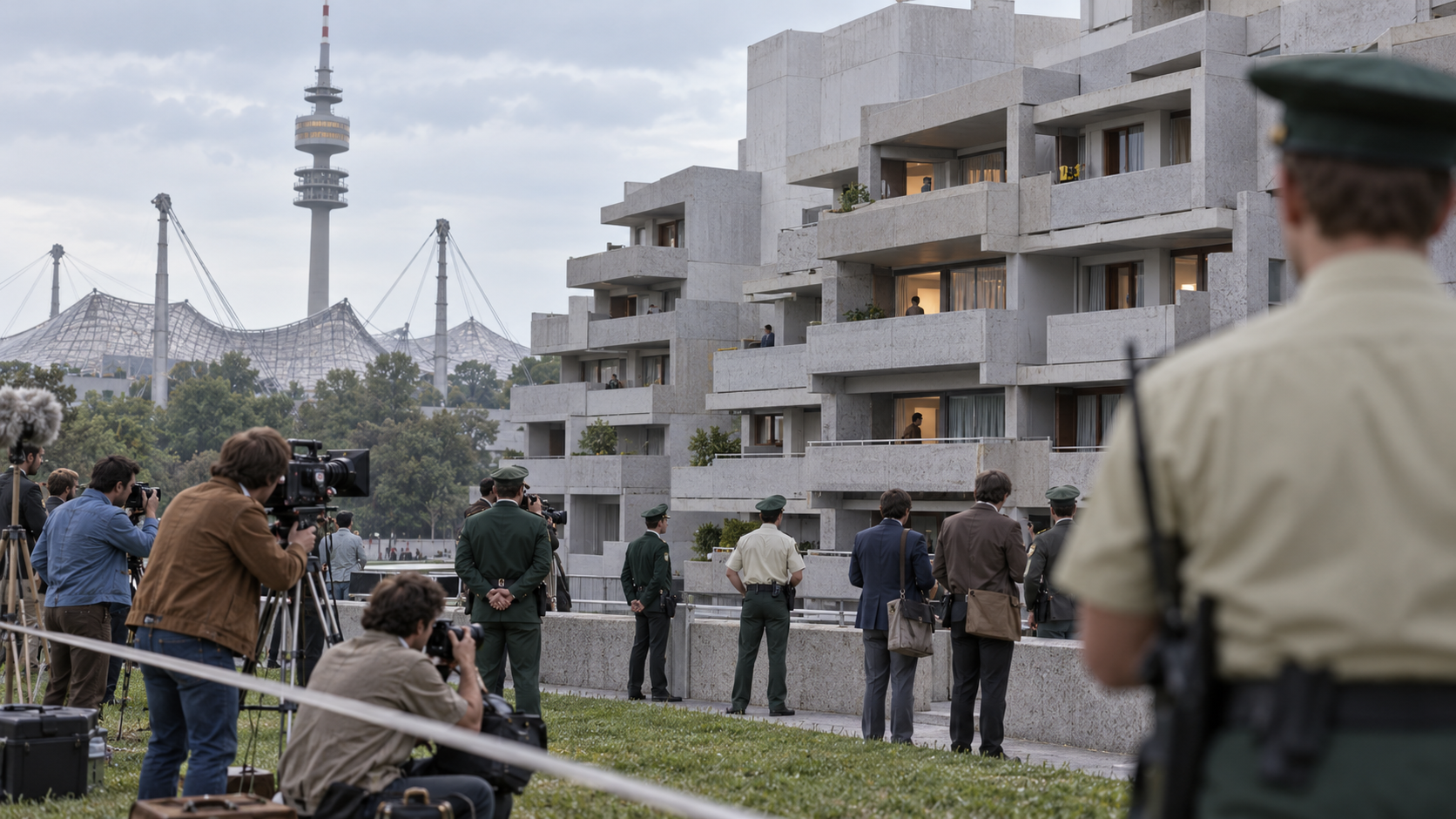
On September 5, 1972, members of the Palestinian group Black September entered the Israeli team’s quarters in the Munich Olympic Village and began a hostage crisis. Two members of the delegation were killed in the village and nine others were taken hostage; all nine later died during a failed rescue at Fürstenfeldbruck airfield. The attack began early on September 5. Eleven Israeli delegation members were killed. Those details establish the result and its setting, but the day’s importance came from the larger historical pressure surrounding the competition and the people who carried it through.
The Munich Games had emphasized an open, welcoming atmosphere intended to distinguish West Germany from the militarized 1936 Olympics. Security around the village was deliberately low-key, leaving officials poorly prepared for a politically motivated attack. German officer Anton Fliegerbauer also died. Competition was suspended during the crisis. Together, those points show how preparation, rules, institutions and public expectations shaped the circumstances before the decisive action began. They also separate the documented background from later legend and retrospective interpretation.
Negotiations continued for hours as global television carried images from the village. Competition was suspended, the hostages and attackers were taken to the airfield, and the attempted rescue ended with eleven Israeli athletes and coaches and a German police officer dead. A memorial service was held in Olympic Stadium. The IOC has since created permanent memorials to the victims. The immediate result therefore involved more than a single score or statistic: it changed a record, championship, career or institution and gave contemporary audiences a clear reason to understand that the moment was unusual.
The Games resumed after a memorial service, a decision that remains debated. The attack transformed planning for major sports events, encouraged new counterterrorism measures and established remembrance of the victims as an essential part of Munich’s Olympic legacy. Seen from today, the event remains useful because it connects a measurable sports outcome with the systems around it—teammates, opponents, officials, venues, media and rules. The outcome was not inevitable, and its meaning did not end when play stopped. Preserving the exact date and qualifications helps explain why later generations still return to it. It also prevents a famous image or headline from replacing the fuller story of what actually happened. The best sports history holds achievement and limitation together, showing both the performance itself and the conditions that made it possible. That broader view preserves context without taking attention away from the people who performed under pressure. In that sense, September 5, 1972 still offers a focused view of how athletic excellence, public memory and institutional change can meet in a single day.
The attack began early on September 5.
Eleven Israeli delegation members were killed.
German officer Anton Fliegerbauer also died.
Competition was suspended during the crisis.
A memorial service was held in Olympic Stadium.
The IOC has since created permanent memorials to the victims.
Explore more "On This Day in Sports"
Discover more landmark games, records, championships, and turning points from sports history. Each day revisits the athletes, teams, and moments that shaped competition and culture.