

On This Day in Sports: September 15, 2000
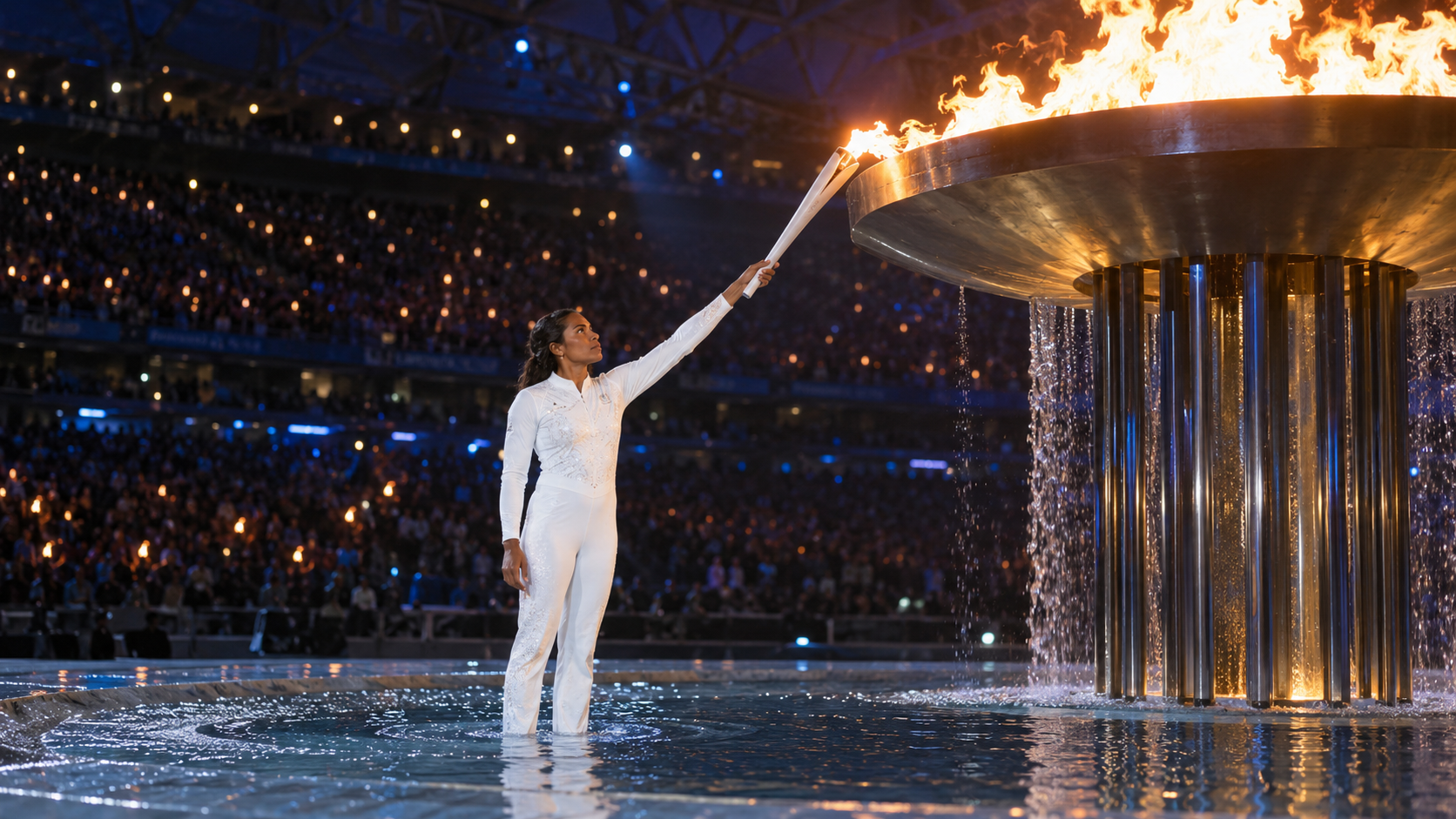
On September 15, 2000, the Sydney Olympic Games opened at Stadium Australia before a packed crowd and a worldwide television audience. The ceremony presented Indigenous culture, immigration and the country’s landscape before runner Cathy Freeman lit the cauldron in a ring of water. The ceremony took place at Stadium Australia. Cathy Freeman lit the cauldron. Those details establish the result and its setting, but the day’s importance came from the larger historical pressure surrounding the competition and the people who carried it through.
Sydney had prepared for seven years after winning the right to host the Games in 1993. Organizers built the large new stadium at Homebush Bay and designed a ceremony that would address both national celebration and Australia’s complex history. Rechelle Hawkes took the athletes’ oath. Athletes from 199 delegations attended. Together, those points show how preparation, rules, institutions and public expectations shaped the circumstances before the decisive action began. They also separate the documented background from later legend and retrospective interpretation.
Thousands of performers filled the field as Djakapurra Munyarryun led an Indigenous segment and the parade brought together athletes from 199 delegations. North and South Korea marched under one flag, while hockey captain Rechelle Hawkes delivered the athletes’ oath. Korean teams marched together. The cauldron rose through a curtain of water. The immediate result therefore involved more than a single score or statistic: it changed a record, championship, career or institution and gave contemporary audiences a clear reason to understand that the moment was unusual.
The Games were widely praised for organization and atmosphere, and Freeman’s later victory in the 400 meters became their defining competition moment. The opening remains influential for placing an elite Indigenous athlete at the center of national symbolism. Seen from today, the event remains useful because it connects a measurable sports outcome with the systems around it—teammates, opponents, officials, venues, media and rules. The outcome was not inevitable, and its meaning did not end when play stopped. Preserving the exact date and qualifications helps explain why later generations still return to it. It also prevents a famous image or headline from replacing the fuller story of what actually happened. The best sports history holds achievement and limitation together, showing both the performance itself and the conditions that made it possible. That broader view preserves context without taking attention away from the people who performed under pressure. In that sense, September 15, 2000 still offers a focused view of how athletic excellence, public memory and institutional change can meet in a single day.
The ceremony took place at Stadium Australia.
Cathy Freeman lit the cauldron.
Rechelle Hawkes took the athletes' oath.
Athletes from 199 delegations attended.
Korean teams marched together.
The cauldron rose through a curtain of water.
Explore more "On This Day in Sports"
Discover more landmark games, records, championships, and turning points from sports history. Each day revisits the athletes, teams, and moments that shaped competition and culture.