

On This Day in Tech: January 8, 2007
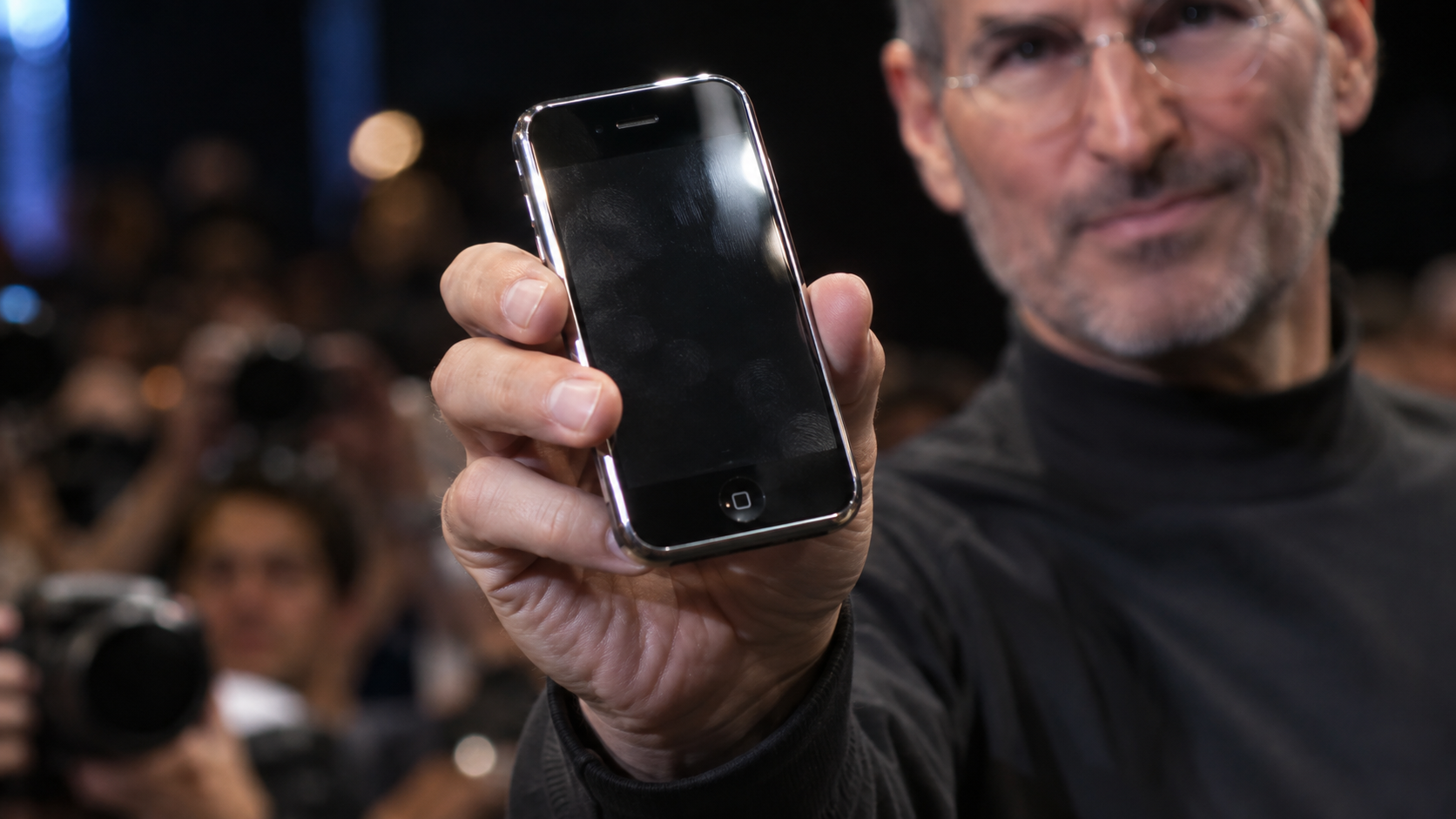
On January 8, 2007, Apple Inc. made history with the introduction of the first iPhone, a revolutionary device that would change the landscape of mobile technology. Announced by then-CEO Steve Jobs at the Macworld conference in San Francisco, the iPhone combined an iPod, a phone, and an internet communicator all in one sleek device. This all-in-one concept was unprecedented at the time, and the iPhone’s debut marked the beginning of a new era in mobile computing.
The iPhone’s unveiling was a turning point in the tech world. With its multi-touch screen, the iPhone discarded the traditional physical keyboards of earlier smartphones in favor of a full-screen design, utilizing intuitive gestures such as pinch-to-zoom and swipe. Jobs’ famous words, “Today, Apple is going to reinvent the phone,” resonated with consumers and tech enthusiasts alike. The phone’s sleek design and the innovative iOS operating system were complemented by a user-friendly interface, making it a game-changer in the smartphone market. This event also sparked a wave of innovation among competitors, with other companies rushing to develop their own touchscreen-centric devices.
The iPhone’s introduction wasn’t just a technological breakthrough; it also reshaped how consumers interacted with mobile technology. The App Store, which followed shortly after the iPhone’s release, provided developers with a platform to create and sell mobile applications, giving rise to the booming app economy. Today, the iPhone remains one of the most influential devices in tech history, continually evolving with new features, designs, and capabilities. The January 8, 2007, announcement solidified Apple’s role as a major player in the mobile and tech industries, and it set the stage for smartphones to become essential tools in daily life for billions of people worldwide.
On January 8, 2007, Apple Inc. made a groundbreaking announcement at the Macworld conference in San Francisco. Steve Jobs, the CEO of Apple at the time, revealed the first iPhone, a device that would revolutionize the mobile industry. The iPhone combined an iPod, a phone, and an internet communicator, all in one sleek design, changing the way people interacted with their phones and technology.
The announcement was met with enthusiasm as it promised to redefine the smartphone market by introducing a touch-based interface, which replaced the physical keyboards that were common in earlier mobile phones. Apple’s vision was to make a phone that was not only a communication device but also an entertainment and computing platform, integrated seamlessly with Apple's existing ecosystem.
The iPhone did not become available until later in 2007, but its introduction set off a wave of innovation in the mobile industry. The touch-based interface and the full-screen design of the iPhone were revolutionary, prompting competitors to shift away from physical keyboards to touchscreen-centric designs. However, the first iPhone was limited in certain ways, such as the lack of third-party apps, which would later be addressed with the launch of the App Store in 2008.
The iPhone was also initially exclusive to AT&T in the United States, which limited its accessibility in the market. Despite this, the device's combination of design and functionality made it an instant success, leading to millions of sales in its first year. It was the beginning of a new era in smartphones, with Apple's iPhone becoming the blueprint for future mobile devices.
Over the long term, the iPhone’s launch transformed the tech industry. It didn’t just change mobile phones; it reshaped how people interacted with technology on a daily basis. The introduction of the App Store later on opened up an entire new market for app developers and created the mobile-first economy that we know today. It also led to the rise of other features like touch ID, facial recognition, and 5G connectivity.
The iPhone’s success was a defining moment for Apple, and it helped establish the company as one of the most valuable tech companies in the world. The device’s influence extends beyond just phones; it set new standards for user experience, hardware design, and software integration, with its impact still felt in the tech world today. The iPhone’s legacy is a testament to the power of innovation in driving industries forward.
Explore more of "On This Day ..."
Discover more events from the same date across news, politics, technology, sports, and other fields. Each link highlights significant moments that shaped history on different fronts.