

On This Day in Tech: January 29, 2010
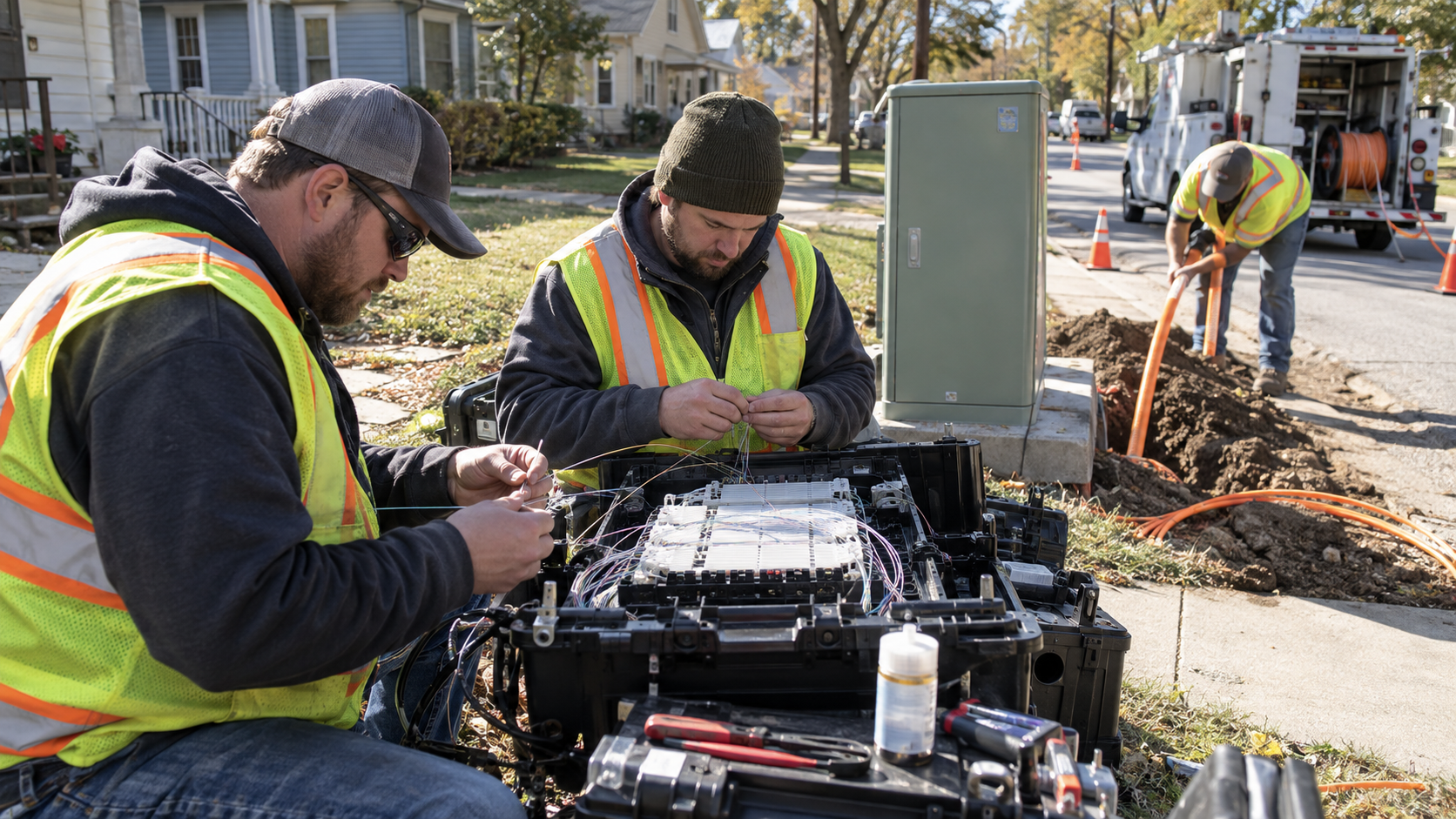
On January 29, 2010, Google introduced an ambitious project aimed at transforming the way Americans accessed the internet: Google Fiber. The company announced it would begin offering ultra-high-speed broadband internet services in select cities across the United States, with speeds up to 1 gigabit per second (Gbps)—an order of magnitude faster than most existing broadband services at the time. The announcement marked a bold move into the telecommunications industry, and it demonstrated Google’s commitment to pushing the boundaries of internet infrastructure.
Google Fiber was designed to provide both faster internet speeds and more reliable service than what was available through traditional broadband providers. The project’s main appeal was its ability to bring fiber-optic internet technology to consumers’ homes, replacing the copper wiring used in most cable and DSL services. Fiber-optic cables are made of glass or plastic and transmit data using light signals, allowing them to carry far more data over long distances with minimal loss. This made Google Fiber an attractive option for consumers in areas where broadband service had historically been slow, costly, or unreliable.
The project launched its first pilot program in Kansas City in 2011, with residents enjoying access to internet speeds that were 100 times faster than the national average. The Google Fiber initiative also included offering a free 5 Mbps broadband service for residents who were willing to pay a one-time installation fee, making high-speed internet more accessible to low-income families. This move positioned Google Fiber not just as a technological breakthrough, but also as an attempt to address digital inequality by expanding broadband access to underserved areas.
Though the service’s availability remained limited over the years, Google Fiber has continued to influence the broadband industry. By setting the bar for high-speed internet, it pressured traditional providers to upgrade their infrastructure to remain competitive. Moreover, the project highlighted the importance of internet access as a fundamental utility in the modern digital economy. Even in cities where Google Fiber hasn’t expanded, its impact is felt in the ongoing push toward faster and more reliable broadband for all.
On January 29, 2007, Apple made one of the most anticipated announcements in tech history with the unveiling of the first iPhone. The event, held at the Macworld Conference & Expo in San Francisco, was a defining moment for the company and the tech industry as a whole. Steve Jobs, Apple's charismatic co-founder and CEO, introduced the device with his signature flair, proclaiming, "Today, Apple is going to reinvent the phone." This revolutionary gadget combined a mobile phone, an iPod, and an internet communicator into a single sleek, touch-screen device, completely altering the landscape of mobile technology.
The iPhone’s introduction was groundbreaking for several reasons. For starters, it featured a capacitive touchscreen that was the primary way users would interact with the device, eliminating the physical keyboard that was standard on most mobile phones of the time. With this design, the iPhone set the stage for the next generation of smartphones, focusing on user-friendly interfaces and intuitive touch navigation. The device also featured an array of other innovations, including the ability to surf the web, watch videos, and manage music—all in one device that was smaller and more powerful than anything seen before.
The launch of the iPhone revolutionized not just the smartphone industry but the way we communicate and interact with technology on a daily basis. It led to the creation of the app economy, changing the role of software developers and app stores. With the iPhone, Apple didn't just create a device—it laid the foundation for a new era in mobile computing. Its influence continues to be felt today, as smartphones are now essential tools for business, entertainment, and communication. The iPhone’s impact goes beyond just hardware; it shifted the entire tech industry toward more integrated, mobile-centric solutions.
Explore more of "On This Day ..."
Discover more events from the same date across news, politics, technology, sports, and other fields. Each link highlights significant moments that shaped history on different fronts.