

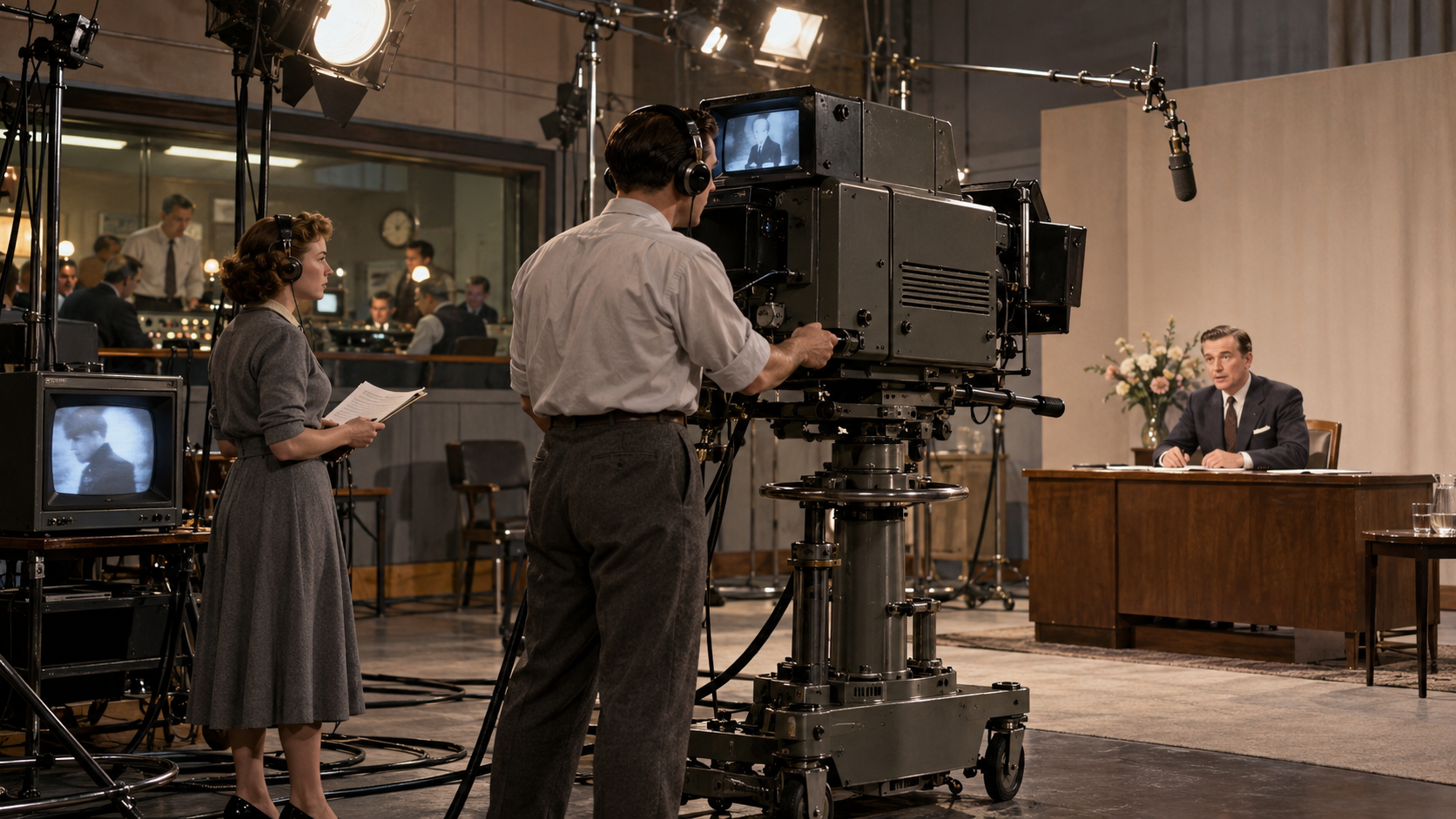
On This Day in Tech: September 22, 1955
On September 22, 1955, Britain’s first commercial television service began broadcasting to the London area. The opening ITV transmission started at 7:15 p.m. with an outside broadcast from a celebratory dinner at Guildhall. Associated-Rediffusion held the weekday franchise, while Associated Television was assigned weekends; the two companies shared the special opening evening. Viewers with equipment capable of receiving the new signal could, for the first time, choose a domestic television service other than the BBC. The launch added a second channel to British screens and introduced advertising as a regular part of television broadcasting.
The new service followed years of political argument over whether broadcasting should remain a public monopoly. The Television Act of 1954 created the Independent Television Authority to regulate a commercially funded alternative. Instead of one national company producing everything, ITV was organized as a network of regional franchise holders. In London, Associated-Rediffusion built studios, hired and trained production staff, and prepared programs on a tight schedule. Technically, the service used Britain’s 405-line monochrome standard but transmitted in the higher VHF Band III, so some households needed a newer receiver, an additional tuner, or an external converter to watch it.
Opening night joined several forms of live television. Cameras covered speeches and entertainment at Guildhall, the first paid television advertisement promoted Gibbs SR toothpaste, and Independent Television News presented a bulletin at 10 p.m. with Christopher Chataway. The schedule demonstrated that the network needed more than a transmitter: studio cameras, outside-broadcast units, control rooms, film inserts, microwave or cable links, and strict coordination all had to work together. British television had not yet adopted videotape recording, so live production and filmed material carried most of the load. Early coverage was limited to London, and regional contractors joined over the following years. ITV did not complete its network across the United Kingdom until 1962.
Commercial television quickly changed how British programs were financed, scheduled, and presented. Competition encouraged new entertainment formats, named news presenters, regional production centers, and a closer focus on audience measurement. It also stimulated investment in production skills and facilities outside the BBC’s established organization. Advertising brought continuing debates about standards and influence, which the Independent Television Authority was created to supervise. The technology of the 1955 launch—monochrome cameras, analog switching, and terrestrial transmitters—would eventually give way to color, videotape, satellites, digital broadcasting, and streaming. Yet the core change introduced that night endured: television in Britain became a competitive, multi-provider medium rather than a single-service system.
The Television Act of 1954 authorized a regulated commercial alternative to the BBC and created the Independent Television Authority. Regional companies received franchises to make programs and sell advertising under the authority's oversight.
Associated-Rediffusion prepared the London weekday service, while ATV held the weekend franchise. Studios, transmitters, outside-broadcast vehicles, trained crews, and advertising operations all had to be assembled before the first night.
The service opened at 7:15 p.m. with live coverage of a launch dinner at London's Guildhall. The evening mixed speeches and entertainment with the first paid advertisement shown on British television.
At 10 p.m., Christopher Chataway presented the first ITN news bulletin. The newscaster appeared on screen by name, part of an approach that helped distinguish commercial television news from established BBC practice.
The launch initially served only the London area, and receiving the Band III signal could require updated television equipment. Other regional franchises came on air in stages rather than through one immediate national switch-on.
By 1962, the regional network covered the United Kingdom. ITV's competitive model supported new studios and production centers while making advertising, ratings, and regulation permanent forces in British television.
Explore more of "On This Day ..."
Discover more events from the same date across news, politics, technology, sports, and other fields. Each link highlights significant moments that shaped history on different fronts.