

On This Day in Tech: November 24, 2000
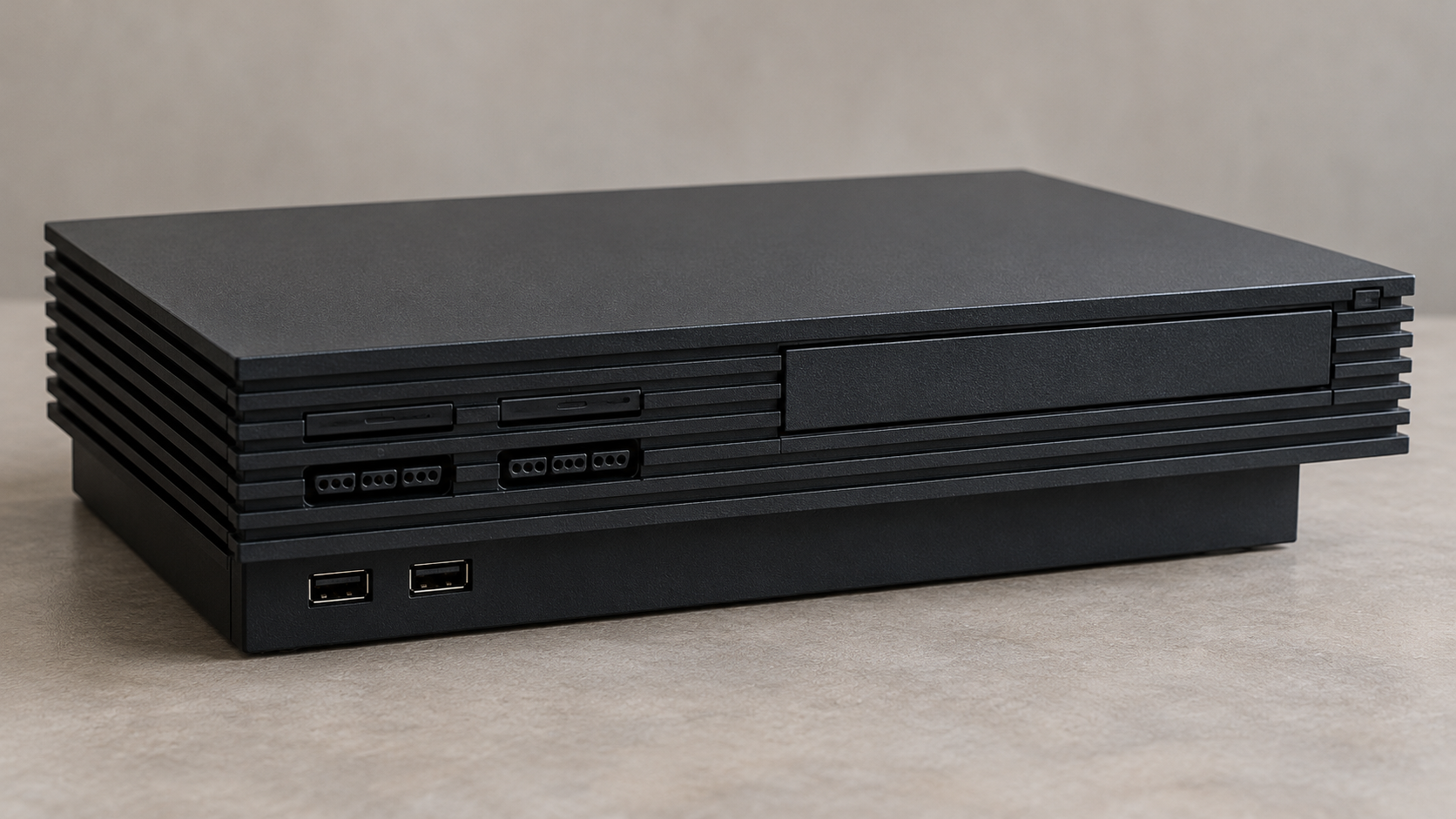
On November 24, 2000, Sony Computer Entertainment launched PlayStation 2 in Europe, extending a platform already introduced in Japan and North America earlier that year. European retailers offered the original full-size black console with a new generation of games and the ability to play DVD movies. Demand made the arrival a major retail event, but its technological importance went beyond the queue outside a shop. The machine combined interactive graphics, optical storage, a familiar control arrangement, and compatibility with much of the earlier PlayStation library. This was a regional launch, not the date the console first went on sale anywhere in the world.
At the center of the system was a processor Sony called the Emotion Engine, working with dedicated graphics hardware and other components. Developers had more resources than on the original PlayStation, but using them effectively required new tools and knowledge. Games were still shaped by memory limits, data movement, software design, and the time available to production teams. A more capable machine did not automatically supply better animation, more convincing environments, or enjoyable interaction. Those results emerged from programming and creative work tailored to the hardware. The console’s eventual reputation therefore cannot be understood solely through the specifications of the electronics launched in 2000.
The optical drive played an important role in the system’s appeal. DVD could hold larger game data sets than an ordinary compact disc and also served as a popular home-movie format. Combining game and movie playback gave the console uses beyond its software library. Compatibility with earlier PlayStation titles offered another bridge for customers moving between generations, though compatibility should not be described as a promise that every old program and accessory behaved identically. The DualShock 2 controller retained a familiar layout while adding refinements. Later online capabilities and smaller hardware revisions were separate developments, not features that should all be assumed to have been available in the European launch package.
PlayStation 2 developed a long commercial life and an extensive library across many genres. Some later experiences required additional equipment, and the slim redesign introduced in 2004 differed visibly from the original machine. Those changes show why a platform’s history is broader than one piece of launch hardware. November 24 marks the European arrival of a system that helped place digital entertainment and DVD playback together beside the television. Its lasting significance came from the combination of accessible uses, developer participation, and years of software development. The launch supplied a foundation; the wider ecosystem of games, accessories, services, distribution, and user familiarity turned that foundation into a durable consumer-computing platform.
The European launch occurred on November 24, 2000. Japan and North America had received PlayStation 2 earlier that year.
The original full-size console combined new games with DVD playback and support for much of the earlier PlayStation catalogue.
The Emotion Engine and graphics hardware created opportunities that developers had to learn to use. Performance depended on software design as well as specifications.
Compatibility had limits, and later online features required their own equipment or services. They should not all be represented as launch-day capabilities.
The 2004 slim redesign and subsequent software expanded the platform's history. They were not the machine initially sold in Europe in 2000.
The system's durability depended on its library and supporting ecosystem. A regional hardware launch began a much longer period of development and use.
Explore more of "On This Day ..."
Discover more events from the same date across news, politics, technology, sports, and other fields. Each link highlights significant moments that shaped history on different fronts.