

Zero-Shot Learning Explainer
Zero-shot learning asks a model to handle a class or task without labeled training examples from that exact target. The model relies on knowledge learned elsewhere, plus a description, label name, instruction, or other semantic bridge connecting the new target to familiar concepts.
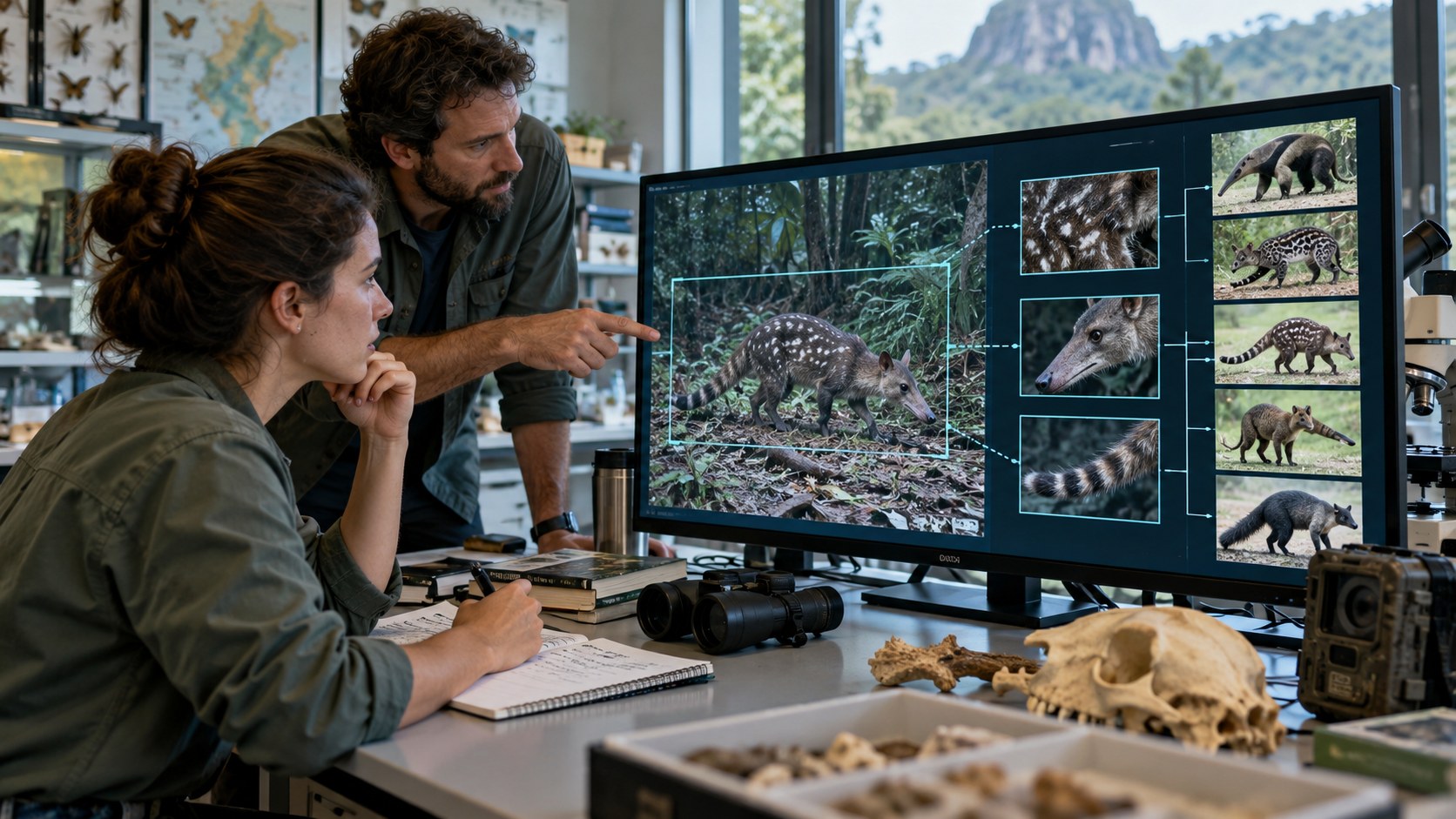
In visual recognition, a model may compare an image representation with text descriptions of candidate classes. In language systems, a prompt can define a classification or transformation task without demonstrations. The underlying model still depends heavily on broad pretraining.
Zero-shot methods can extend systems to new labels quickly and reduce the need to collect examples for every category. They are especially useful for exploration, long-tail classes, and tasks where a natural-language definition captures meaningful structure.
Zero-shot does not mean the model has never encountered the concept. Pretraining data may contain related examples or even benchmark material. Label wording, cultural assumptions, distribution shift, and weak semantic descriptions can change results sharply, so target-domain evaluation remains necessary.
Zero-shot learning applies prior representations or semantic descriptions to a task or class without labeled examples from that exact target.
Key terms include unseen class, semantic description, label prompt, representation, similarity, pretraining, transfer and generalized zero-shot learning.
The system maps inputs and label descriptions into compatible representations, then selects labels whose representations are most similar to the input.
Instruction-following models instead infer the requested behavior from the task description, but that ability still comes from prior training on many patterns.
A benchmark can overstate generalization if names, concepts, or test examples appeared in pretraining, even when no task-specific fine-tuning occurred.
Evaluation should vary label phrasing, include truly novel combinations, inspect subgroup effects, compare with few-shot baselines, and document likely data overlap.
Explore more "Explainers"
Discover additional explainers across politics, science, business, technology, and other fields. Each explainer breaks down a complex idea into clear, everyday language—helping you better understand how major concepts, systems, and debates shape the world around us.